What Does "Sustainable Eyewear" Actually Mean?
Search interest in sustainable fashion keeps climbing, and eyewear is finally part of the conversation. But sustainable eyewear isn't just a marketing label — it comes down to three things: what a frame is made of, how long it lasts, and what happens to it when you're done with it. A cheap pair of glasses that snaps at the hinge after eight months isn't sustainable at any price. A well-made frame you wear for five years is the greenest pair you'll ever own.
This is the philosophy behind everything we make at WEISS OPTIX: fewer, better frames built from materials with a genuinely lower footprint. Here's how that thinking translates into the glasses on your face.
Acetate: The Plant-Based Material Hiding in Plain Sight
If you've ever wondered about the acetate sunglasses meaning on a product page, here's the short version: acetate is a bio-based plastic derived from cellulose — the natural fibers in wood pulp and cotton. Unlike petroleum-based injection-molded plastic, quality acetate starts life as a renewable plant material, and it's produced in blocks that are cut, shaped, and hand-polished rather than stamped out by the millions.
The practical benefits are just as compelling as the environmental ones:
- Rich, layered color. Because acetate color runs through the material (not sprayed on top), a tortoiseshell pattern has genuine depth and won't chip or peel.
- Durable structure. Quality acetate holds its shape, resists everyday wear, and can be reheated and readjusted by an optician years later — something molded plastic can't do.
- Hypoallergenic comfort. Cellulose acetate is skin-friendly, which matters if metal nose pads have ever irritated you.
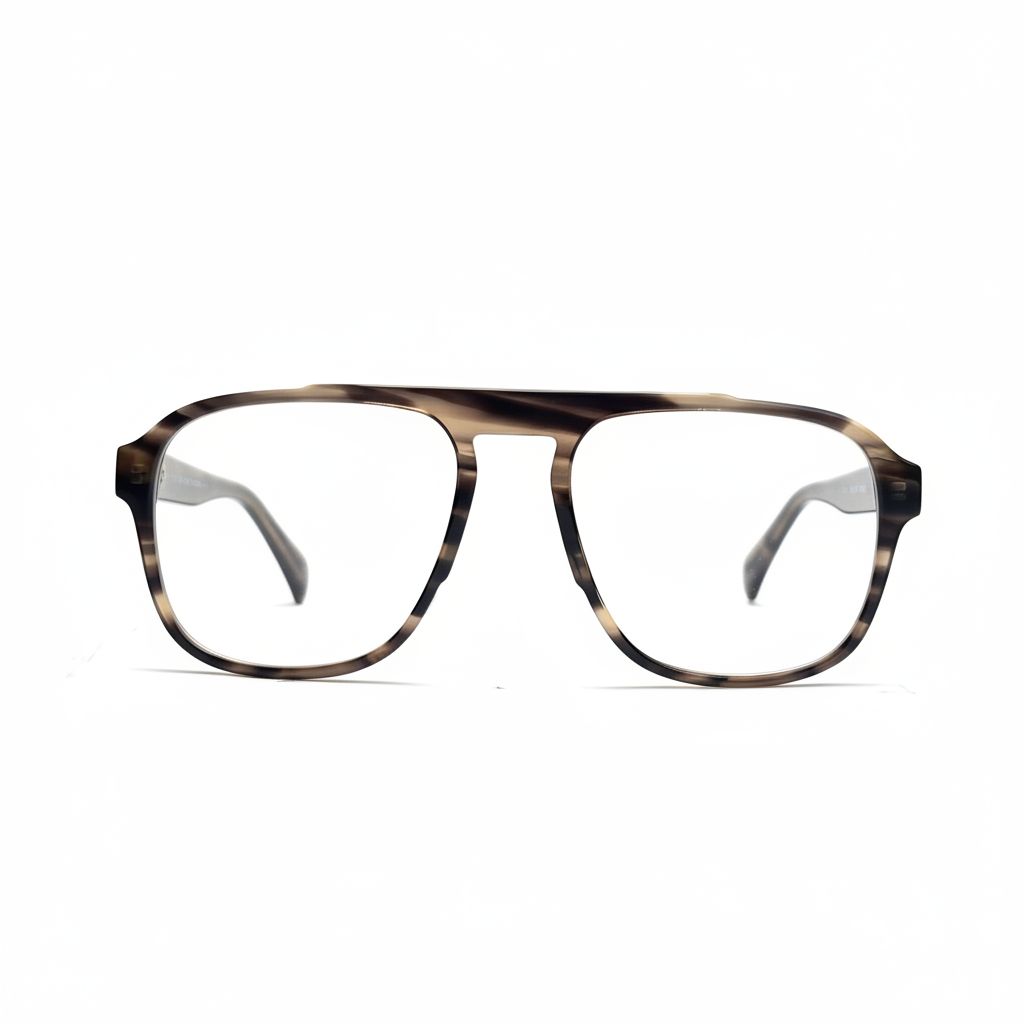
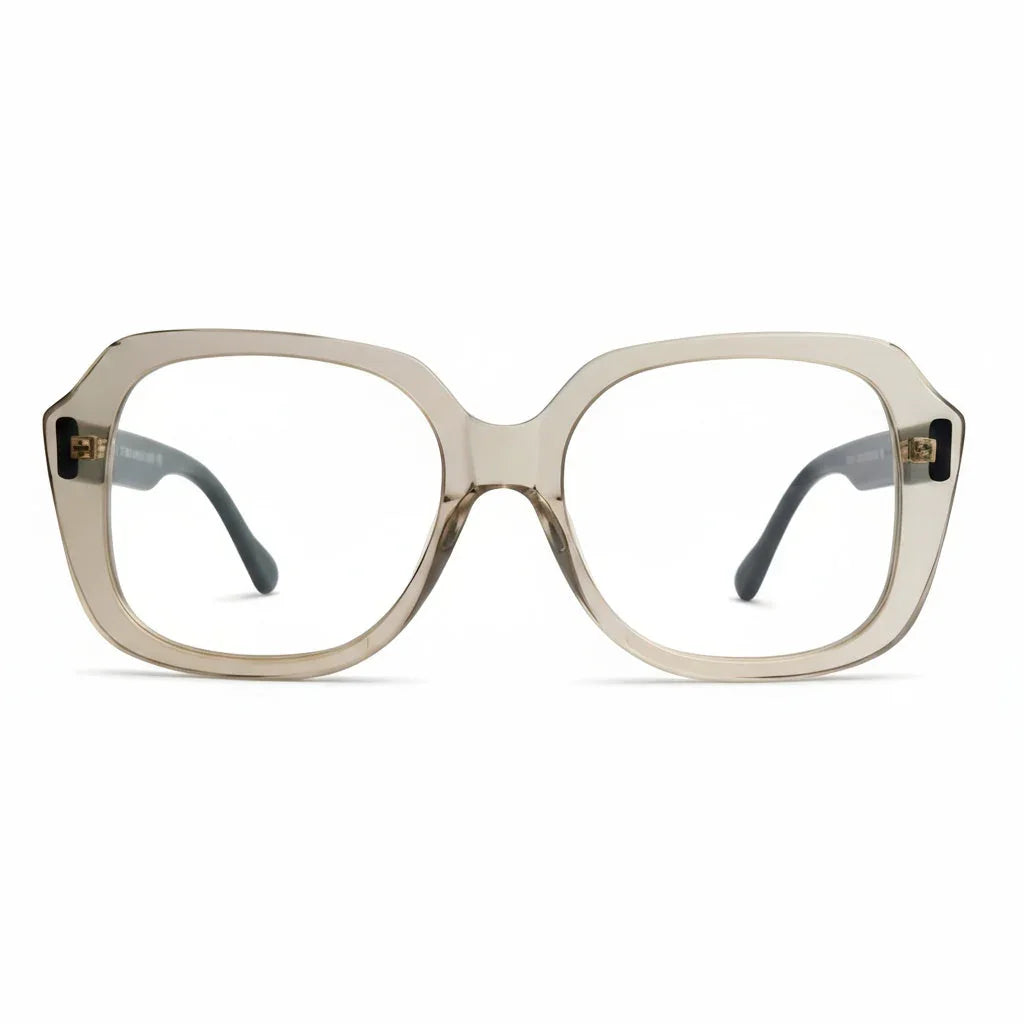
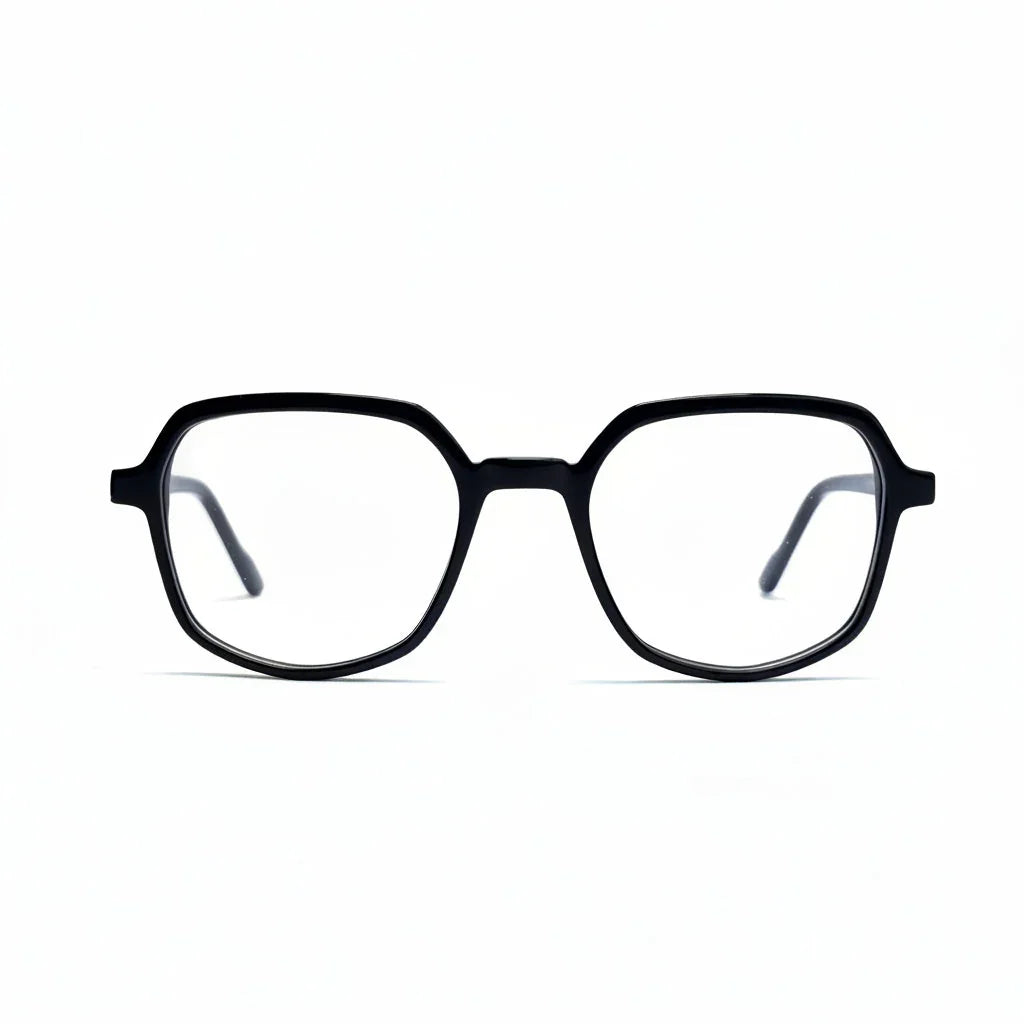
Frames like the Egon Premium Acetate show what this material does best — smooth, lightweight construction with color depth you simply can't fake. The round Dag Round Acetate takes the same plant-based material in a softer, everyday silhouette, while the Claes Geometric Acetate proves sustainable materials can still make a bold, fashion-forward statement.
Titanium vs Acetate: Which Material Lasts Longer?
It's one of the most common comparisons shoppers research — titanium vs acetate frames — and the honest answer is that both can be sustainable choices when they're built well, just in different ways.
Titanium is the longevity champion. It's exceptionally strong, corrosion-resistant, and about half the weight of conventional metals, so it flexes instead of fatiguing. A titanium frame can realistically serve you for a decade or more, which is the definition of buy-it-for-life. Our Anders Square Titanium is a perfect example: precision construction that balances strength with an almost weightless feel.
Acetate, meanwhile, is the renewable option that also happens to be more adjustable and easier to repair. Its longevity depends on quality — thin, molded acetate cracks; properly milled acetate endures. If you want both worlds, hybrid construction is worth a look: the Andre Acetate-Titanium Round pairs an expressive acetate front with titanium detailing for lightness and strength where it counts.
The sustainability scorecard, then, looks like this:
- Acetate: plant-based origin, repairable, adjustable, rich aesthetics.
- Titanium: extreme durability, ultra-light, hypoallergenic, longest service life.
- Hybrid: expressive design plus structural resilience.
Buy Less, Buy Better: The Repairability Test
Anyone who has browsed r/glasses has seen the heartbreaking posts — like the user recently asking for "the best glue to put the legs of my glasses back together," willing to accept a frame that can't even fold anymore, just to squeeze a bit more life out of it. That's what happens when frames are designed to a price point instead of a standard.
There's a better path than super glue. Well-constructed acetate frames can be reheated, realigned, and refitted; titanium temples can be bent back true; screws can be replaced. Before you buy any frame, ask one question: can this be repaired? If the answer is no, it's destined for a drawer — and eventually a landfill. Every WEISS OPTIX frame uses standard hardware and structurally sound materials precisely so that small accidents stay small.
Why We Sell Direct — and What That Has to Do With Sustainability
Another recurring Reddit discussion among first-time wearers: "Do you buy your glasses online or from an optician — and do you actually save money?" It's a fair question, and it's the reason WEISS OPTIX exists as a direct-to-consumer brand.
Traditional eyewear supply chains stack brand licensing, distributor margins, and retail rent on top of a $30 frame, which is why quality glasses historically cost hundreds. By designing in-house and selling direct, we keep the materials budget where it matters — in the acetate, the titanium, the hinges — and pass the savings on. A better frame at a fair price isn't just good for your wallet; it makes the sustainable choice (the frame you'll actually keep wearing) the affordable one too.
Small Habits That Extend the Life of Any Frame
Whichever material you choose, these habits add years to its life:
- Two hands, always. Taking frames off one-handed slowly loosens hinges and misaligns temples.
- Case, not countertop. Most "mystery scratches" and snapped temples happen off your face.
- Lukewarm water, not hot. Hot water and heat sources can warp acetate and damage coatings.
- Microfiber, never your shirt. Fabric drags dust across lenses like sandpaper.
- Annual tune-up. A quick optician adjustment — or a snug of the screws with the mini screwdriver in your case — prevents bigger failures.
The Takeaway
Sustainable eyewear isn't about perfection; it's about choosing frames made from renewable or long-lasting materials, built to be repaired instead of replaced. Start with a plant-based acetate like the Egon or Dag, go titanium with the Anders if decade-long durability is your priority, or split the difference with the Andre hybrid. Buy once, wear for years — that's the most stylish thing you can do for the planet.