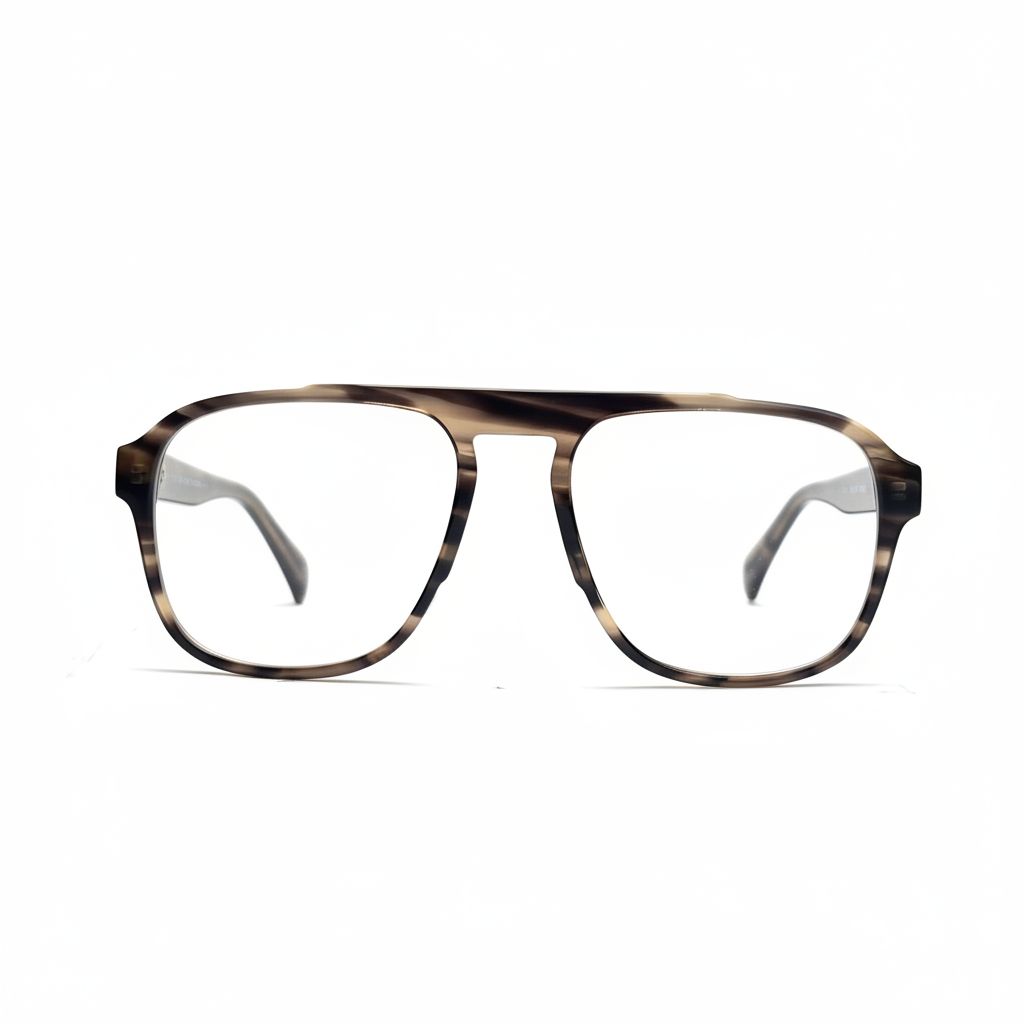
You spot a pair of glasses in a photograph, in a film, on someone at a café — and you want that exact frame. Then you try to describe it: "you know, the rounded one, but with a flat top?" That is where most frame searches stall. The vocabulary is the missing piece.
This guide names the silhouettes worth knowing, explains what each one signals stylistically, and flags the shapes driving 2026 eyewear trends. No rules about which face you "should" have — just the language to find what you already like.
Why the Name of a Frame Matters
Frame names are not trivia. They are how you search, how you describe a repair, and how you ask for an alternative when a silhouette is discontinued. On r/glasses, threads regularly open with a screenshot and a variation of "what frame is this called and where is it from?" — a photograph, no vocabulary, and a dead end.
Five terms solve most of it: lens shape (round, square, rectangle), top line (flat, curved, browline), corner (level, upswept, rounded), bridge (straight, keyhole, double) and rim (full, semi, rimless). Everything else is a variation on those five.
The Silhouettes Worth Knowing
- Round — a continuous circle or near-circle. Soft, bookish, quietly retro.
- Panto — round with a slightly flattened top and a narrower base. The upgrade on a plain round.
- Square — equal width and height, straight top line. Architectural and deliberate.
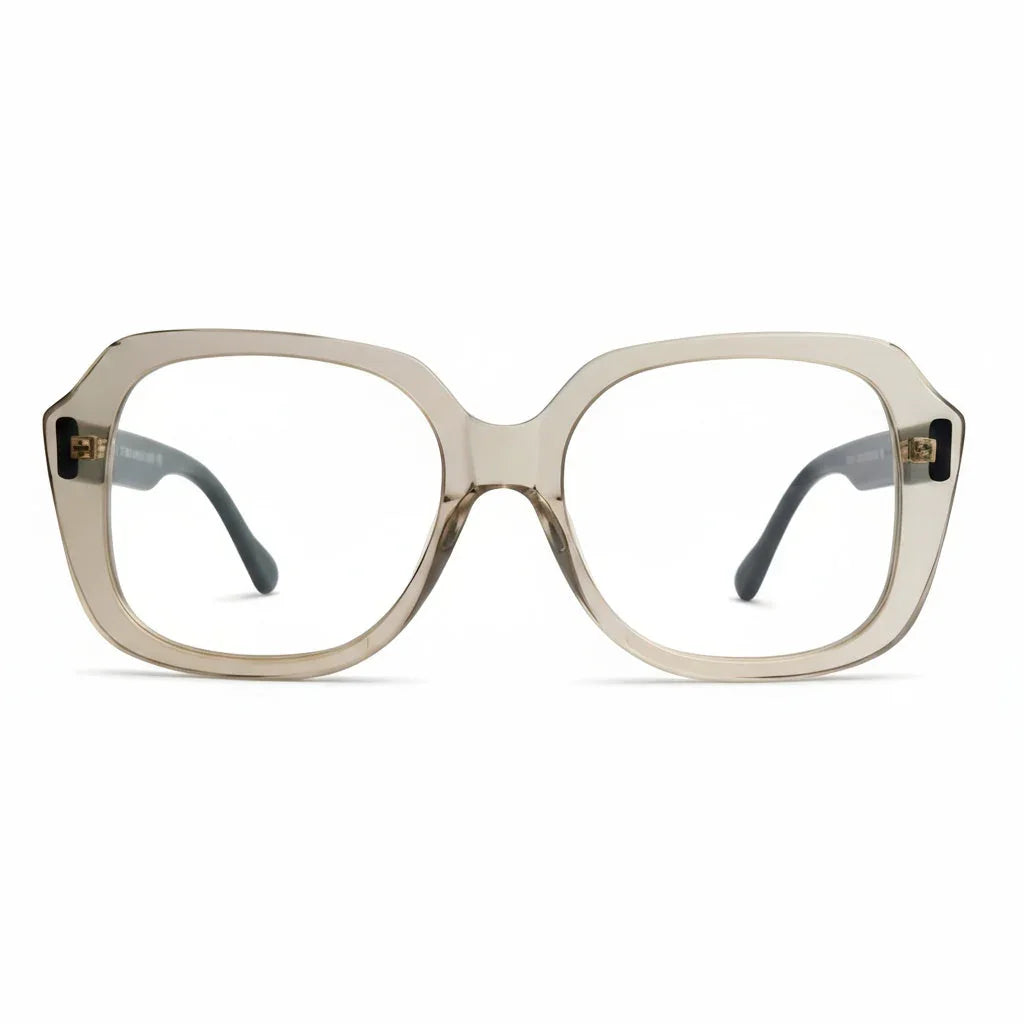
- Soft square — square with eased corners. Reads modern rather than severe.
- Rectangle — wider than tall. The most conventional shape, and the easiest to wear with tailoring.
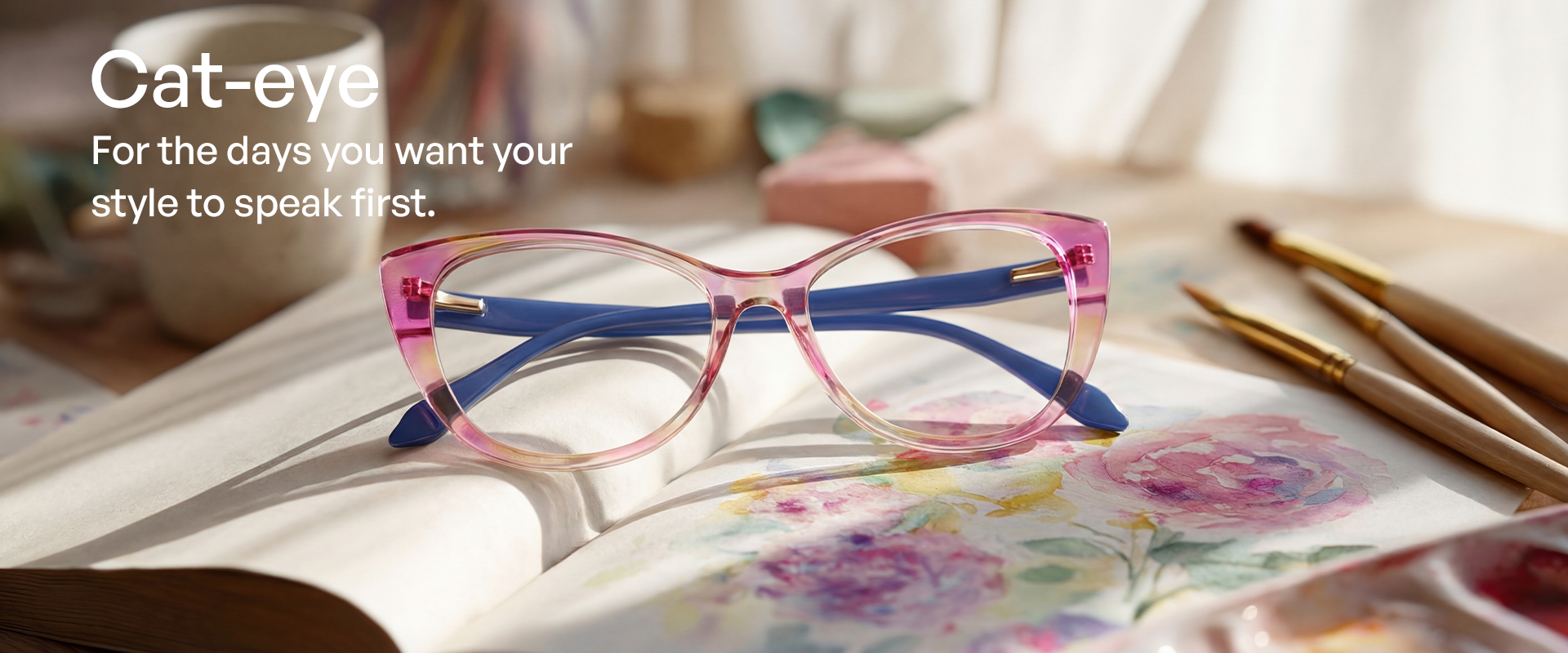
- Cat-eye — an upswept outer corner. The most expressive silhouette in any catalogue.
- Aviator — teardrop lens, double bridge, thin metal. Still the most recognisable frame ever drawn.
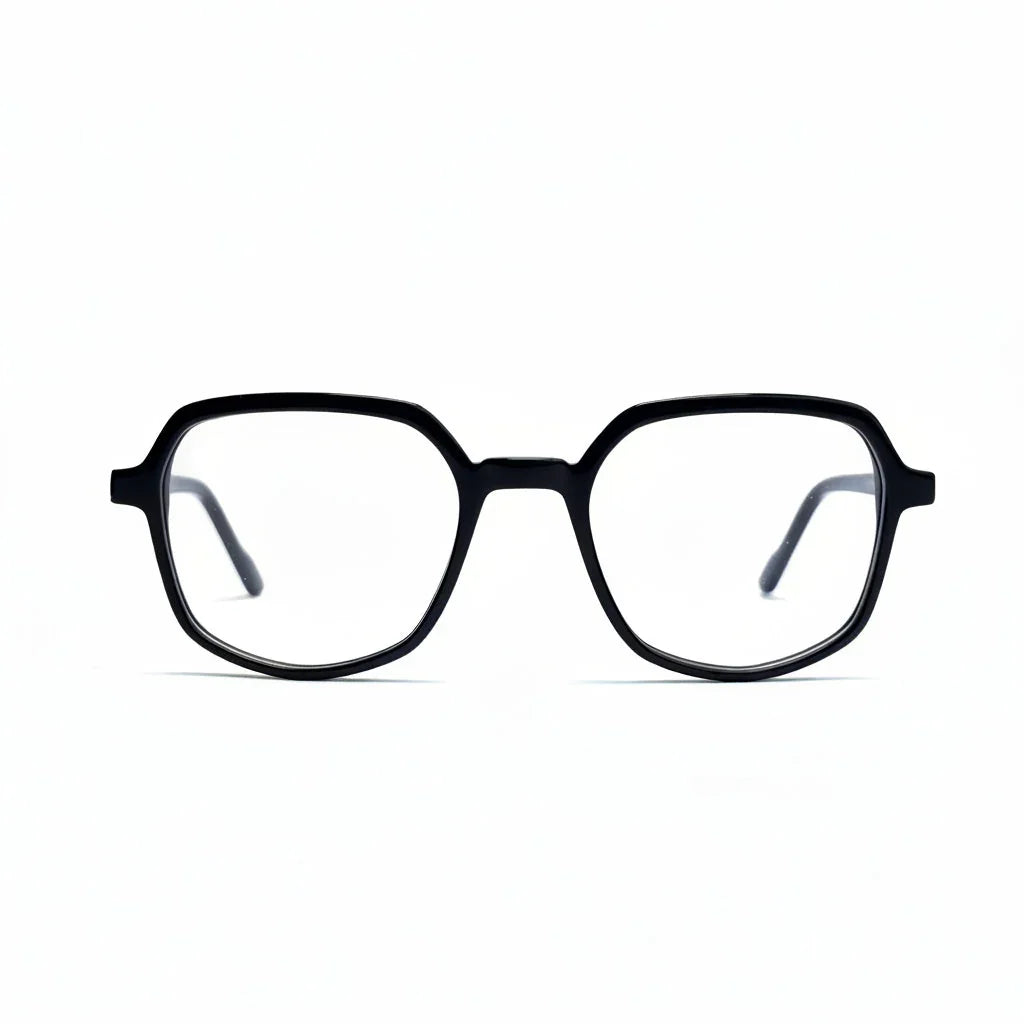
- Geometric — hexagon, octagon or a faceted polygon. Sharp, gallery-ish, unmistakably 2020s.
- Browline — an acetate top bar over a thin metal rim. Half retro, half boardroom.
- Oval — tall, narrow, softly curved. Rare, and quietly distinctive.
- Wrap — a curved shield built for movement. Function first, style second.
2026 Eyewear Trends: Four Shapes Gaining Ground
Soft square, not hard square
The square frame never left, but the version selling this season has rounded corners and a thinner rim profile, which takes the severity out of it and lets the shape sit next to knitwear and denim as easily as a suit. The Caspar acetate square is a clean example: full acetate, straight top line, corners eased just enough to keep it friendly rather than corporate.
Geometric acetate
Hexagons and octagons have moved from niche to mainstream because acetate lets a factory cut a true polygon and then polish the edges until the facets catch light. It is the one silhouette that looks handmade even when it isn't. The Claes geometric acetate frame shows why the shape works: six defined edges, a generous lens area, and a front that reads as a decision rather than a default.
Round, in two different materials
Round is the shape most sensitive to material. In thick acetate it reads warm and retro; in titanium it reads minimal and almost disappears on the face. That split is exactly why "acetate and titanium round eyeglasses" is one of the more useful searches you can run — it is really two different style briefs sharing one word. The Andre acetate-titanium round sits between them, with an acetate front for presence and titanium temples for a lighter feel.
Cat-eye, softened
The sharp 1950s wing has given way to a gentler sweep — the corner lifts, but the frame stays close to the brow line instead of flying past it. That softer geometry is easier to wear daily and works far better in sunglasses than the theatrical version. The Birk cat-eye sunglasses are a good reference point for the current proportion.
How Material Changes the Same Silhouette
Two frames can share a drawing and feel like entirely different products once material is chosen. Acetate is cut and polished from a solid sheet, so colour runs through the material rather than sitting on top of it, and thickness becomes part of the look. The usual acetate frames pros and cons list is honest about the trade-off: more visual weight and a warmer finish, in exchange for a frame you can adjust and re-polish for years. Titanium runs the other way — thinner walls, roughly 40% lighter than acetate, and precise enough to hold a fine rim without distortion.
A working rule: acetate for presence, titanium for restraint, and a hybrid when you want a bold front without the weight at the temples. The Cody titanium-mix square is a useful illustration — a square silhouette that stays crisp because the metal does the structural work.
Reading a Frame From a Photograph
Four questions will identify almost any frame: Is the top line flat or curved? Do the outer corners sit level, sweep up, or drop? Is the lens taller than it is wide, or wider than it is tall? Is the bridge straight, keyhole-shaped, or doubled?
Answer those and you can name a frame in about ten seconds — then search by shape plus material instead of scrolling through hundreds of product photos. It also makes a repair conversation much shorter: "soft square, keyhole bridge, semi-rimless" tells a workshop more than any picture.
Pairing Shapes With What You Actually Wear
Skip the face-shape quiz for a moment and look at your wardrobe instead. Shape should echo the register of your clothes, not fight it.
- Tailoring, shirting, office: rectangle or browline — clean lines that sit under a collar.
- Denim, knitwear, weekend: soft square or panto — relaxed without looking careless.
- Evening, statement dressing: cat-eye or geometric — one strong shape, everything else quiet.
- Sunglasses: aviator if you like a classic, wrap if you are actually outdoors.
If you wear one pair for everything, pick the middle of the range — soft square or panto — and let colour carry the personality instead.
A Five-Second Check Before You Commit
Whatever the silhouette is called, these five checks matter more than the label: the top line follows your brow without resting on it; the rim depth covers the lens area without extending past it; frame width matches temple width; the bridge sits without pressing; and the shape still looks right when you stop posing in the mirror.
Names make the search possible. Fit makes the frame yours. Start with the vocabulary, then spend your attention on the last five seconds.