Why the Frame You Settled For Never Feels Like You
There's a small moment that happens in every optical shop. You put on a pair that is technically perfect — correct fit, right prescription, sensible color — and the mirror still feels a little flat. Nothing is wrong. Nothing is right, either.
That flatness usually isn't a fit problem. It's a wardrobe problem. Most of us buy glasses the way we buy a phone case: once, quickly, mostly for function. But glasses are the one accessory you wear daily, on the most expressive part of your face — the first thing people read about you.
Which is why the people who look effortlessly well-styled almost never own one pair. They own a small, deliberate eyewear wardrobe — and building one is easier (and cheaper) than you'd think.
The Eyewear Wardrobe: Why Stylists Always Pick Two
Celebrity stylists rarely build a look around a single pair of glasses. They think in wardrobes: one pair anchoring everyday identity, one that shifts register when the occasion changes. The same logic works on a red carpet or a Tuesday morning video call.
The two roles are simple:
- An evergreen anchor — the pair that disappears into your face. Light, neutral, comfortable, and boring in the best possible way. This is the one you reach for without thinking.
- A statement frame — the pair that introduces you before you speak. Something with a shape, a color, or a detail that gives people a hook to remember you by.
Pair One: The Evergreen Anchor
The anchor should be quiet. In 2026 that means a slim metal frame in a thin profile — the "quiet luxury" silhouette that has replaced heavy branding across fashion eyewear. A round or softly rounded square in matte titanium reads as considered rather than trendy: exactly what you want from a pair you'll wear 300 days a year.
Consider the Bastian Titanium Round — precision titanium keeps it almost weightless, so the frame stops being something you notice and becomes something you simply wear.
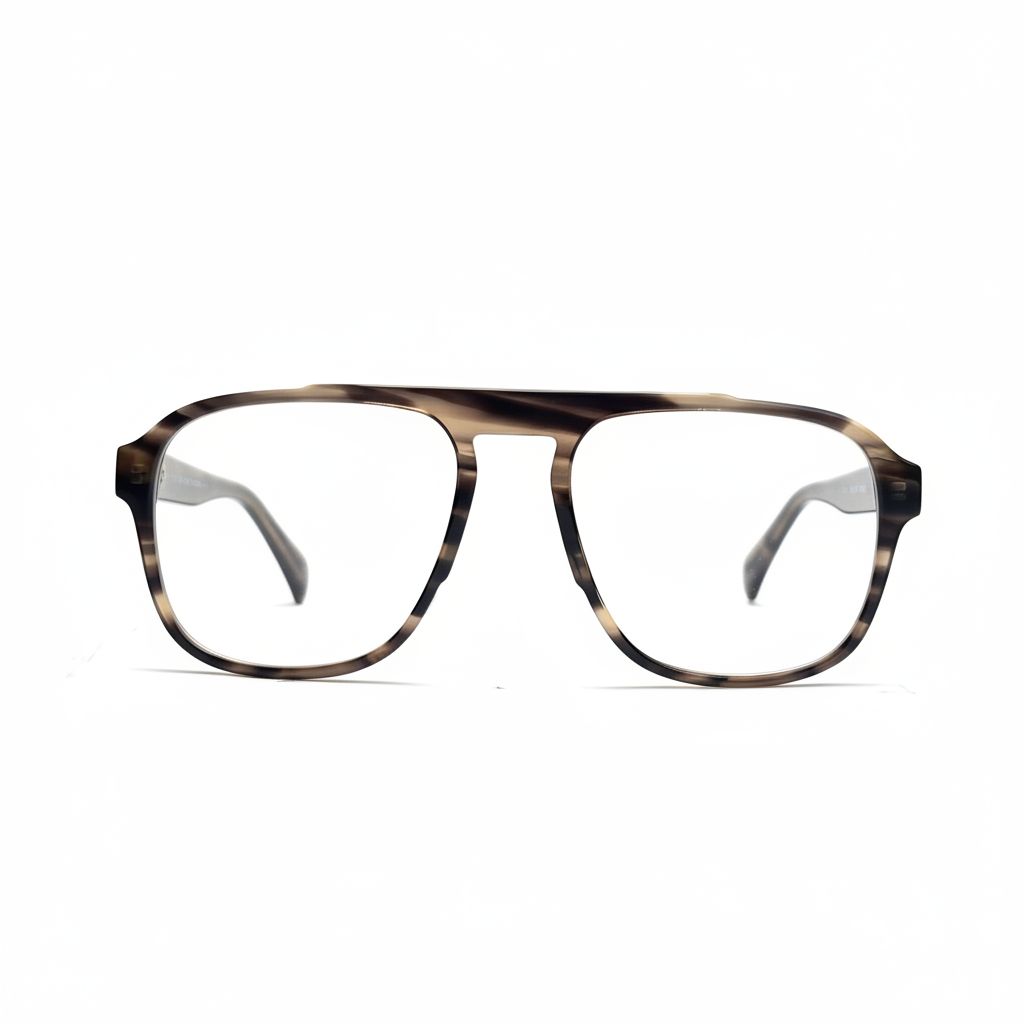
If you'd rather have warmth than hardware, an acetate in a soft tortoiseshell does the same job with more personality. The Acker Tortoiseshell Cat-Eye Acetate works because tortoiseshell is effectively a neutral — it has enough color to flatter skin tones without ever competing with what you're wearing.
Pair Two: The Statement Frame
Your second pair is where personality goes. This is the frame you choose because you like it, not because it's safe.
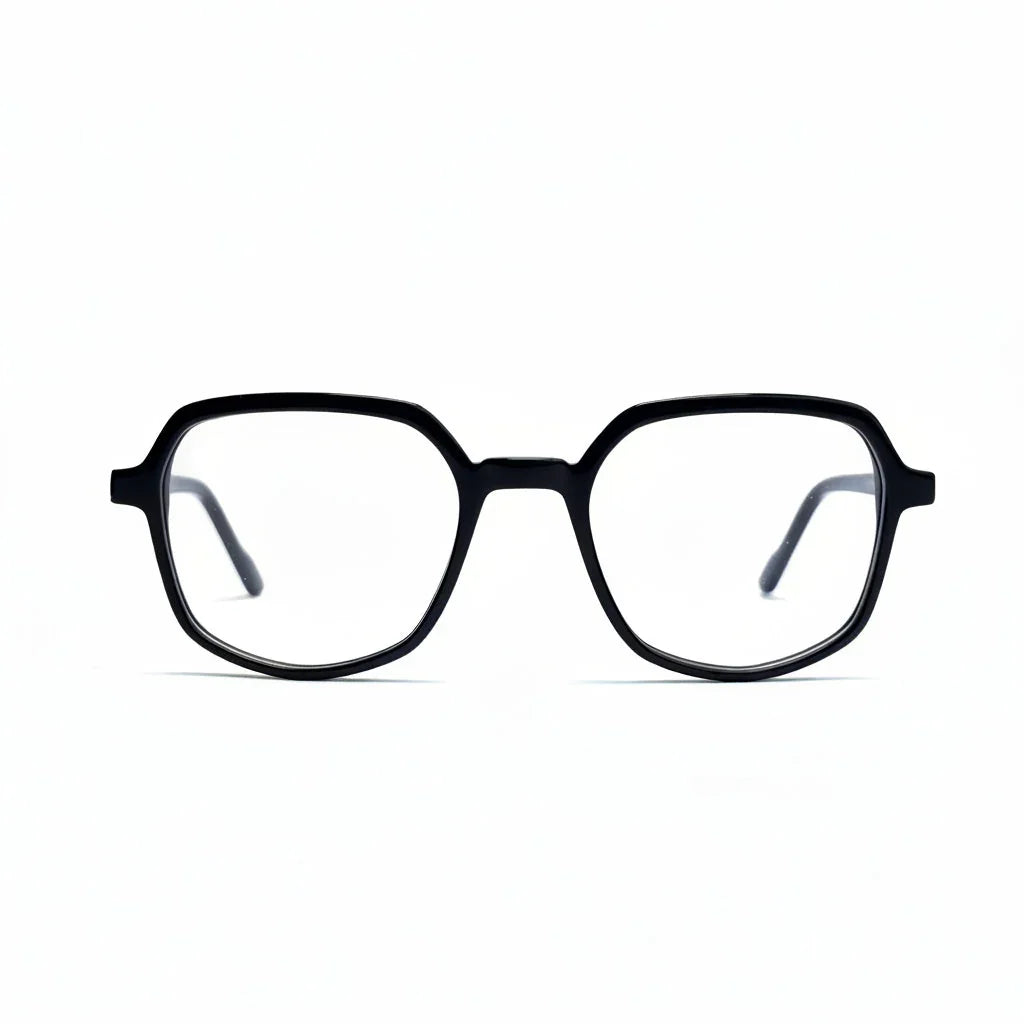
Two directions tend to work best. The first is geometry: a bold outline with straight edges creates a strong vertical rhythm across the face and photographs beautifully. The Claes Geometric Acetate is a good example — the angular shape does the styling for you, so you can keep everything else simple.
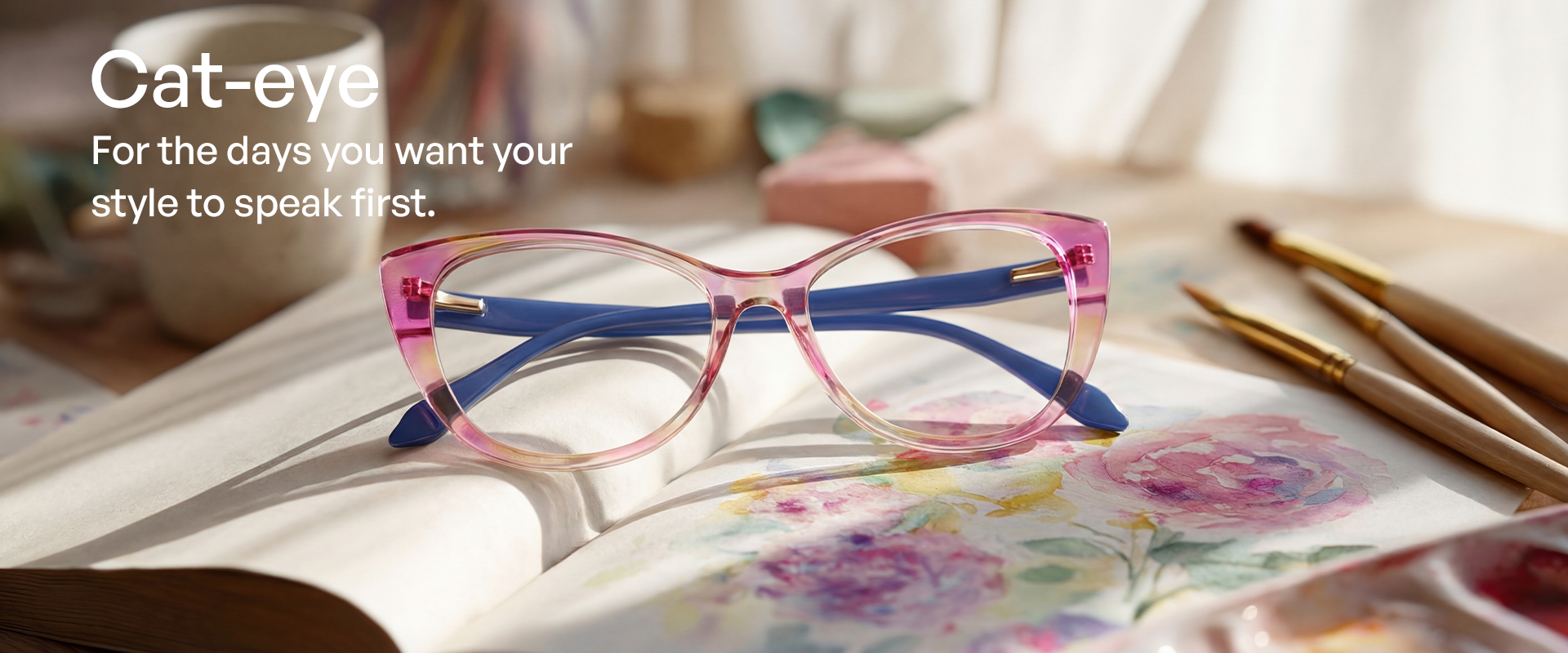
The second is the cat-eye, which remains the most reliably flattering statement silhouette in eyewear. It lifts the outer brow line and instantly changes how a face is read. For a pair that doubles as a genuine statement, the Ebba Cat-Eye Sunglasses gives you the shape in its most confident form — the kind of frame that reads as "styled" even with nothing else going on.
2026 Eyewear Trends: What's Actually Changing
Search interest in 2026 eyewear trends keeps circling the same three ideas, and they're all usable rather than gimmicky. If you want to know what "trends in eyeglasses 2026" really means in practice, here's the honest version.
1. Warm, Translucent Color
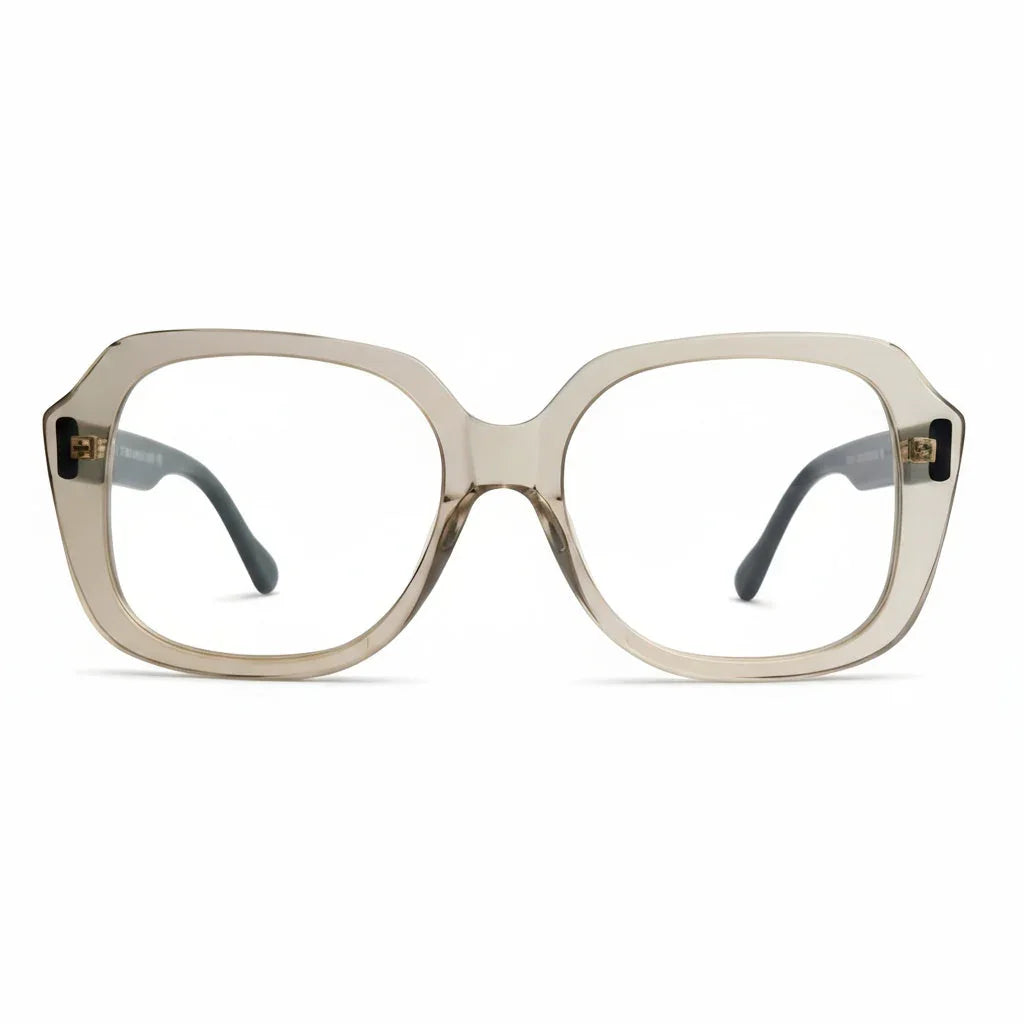
The biggest shift is away from flat black. Translucent acetates in amber, honey, caramel and warm tortoise let light through the frame, softening the whole face instead of drawing a hard line across it. Color is the fastest, lowest-risk upgrade you can make — you don't change your face shape, you change the light around it.
2. Metal That Whispers
Metals are back, but understated: brushed finishes, slim profiles and small tonal accents rather than bright gold hardware. The detail people remember is contrast — a warm metal line against a matte or translucent frame.
3. Silhouettes With Intent
The middle ground is shrinking. Frames are getting either very fine and minimal or noticeably sculptural. Both read as intentional; the shapeless middle does not.
What Eyewear Fans Are Saying Right Now
Eyewear enthusiasts on Reddit have been having a genuinely useful conversation about style — and it lines up almost exactly with what we hear from customers.
One thread asked a simple question: has your taste in glasses changed as you've gotten older? The original poster had been wearing the same "safe" frames from a local optician for years, then realised they read as dated — and the responses were full of the same advice: chase a timeless shape rather than a trend, then let color and finish carry the personality. That's the entire logic of the two-pair wardrobe in one sentence.
A second thread was a straightforward poll — which color frame should I go for, light or dark? It's telling that the question even gets asked, because it's the decision most people freeze on. The practical answer: light and translucent frames reduce visual weight, while darker frames add definition and structure. Buy your first pair toward whatever your face already leans into; make the second go the other way.
A third post was a quiet celebration — someone showing off new frames and admitting they were "loving the little copper highlights." A single warm metal accent on an otherwise plain frame is often what separates a pair that looks purchased from a pair that looks chosen.
Acetate or Titanium? A Style Question, Not Just a Material One
When people compare acetate vs titanium glasses, the discussion turns technical — weight, durability, adjustability. For style purposes, the split is simpler.
Acetate gives you color, depth and translucency. It's the material that lets a frame be an accessory. Titanium gives you thinness and near-invisibility, which is why it dominates the evergreen-anchor category.
The most versatile answer sits in the middle. A hybrid frame — an acetate front with titanium detailing — gives you color on the face and metal at the edges. The Baptiste Acetate-Titanium Square is exactly that combination: enough presence to be noticed, enough restraint to wear with anything.
How to Choose Color Without Guessing
- Warm undertones (gold jewellery flatters you): honey, amber, warm tortoise, deep brown, olive.
- Cool undertones (silver flatters you): grey, cool crystal, navy, true black, brushed gunmetal.
- Neutral: you can wear both — which means your two-pair wardrobe can span warm and cool, giving you far more range than one frame ever could.
- If you're unsure, translucent beats opaque. It's more forgiving against both skin tone and clothing.
The Two-Pair Test
Before you commit to any frame, run it through this: if I owned only this pair and one other, which role would it play? If it doesn't clearly win the anchor job or the statement job, it's the pair that ends up in a drawer.
The bottom line: 2026 eyewear trends aren't asking you to chase anything. Warm translucent color, quiet metal and intentional silhouettes are all tools for one goal — two frames that make you recognisably yourself, one for every day and one for the days you want to be noticed. Start with the wardrobe, not the trend list.