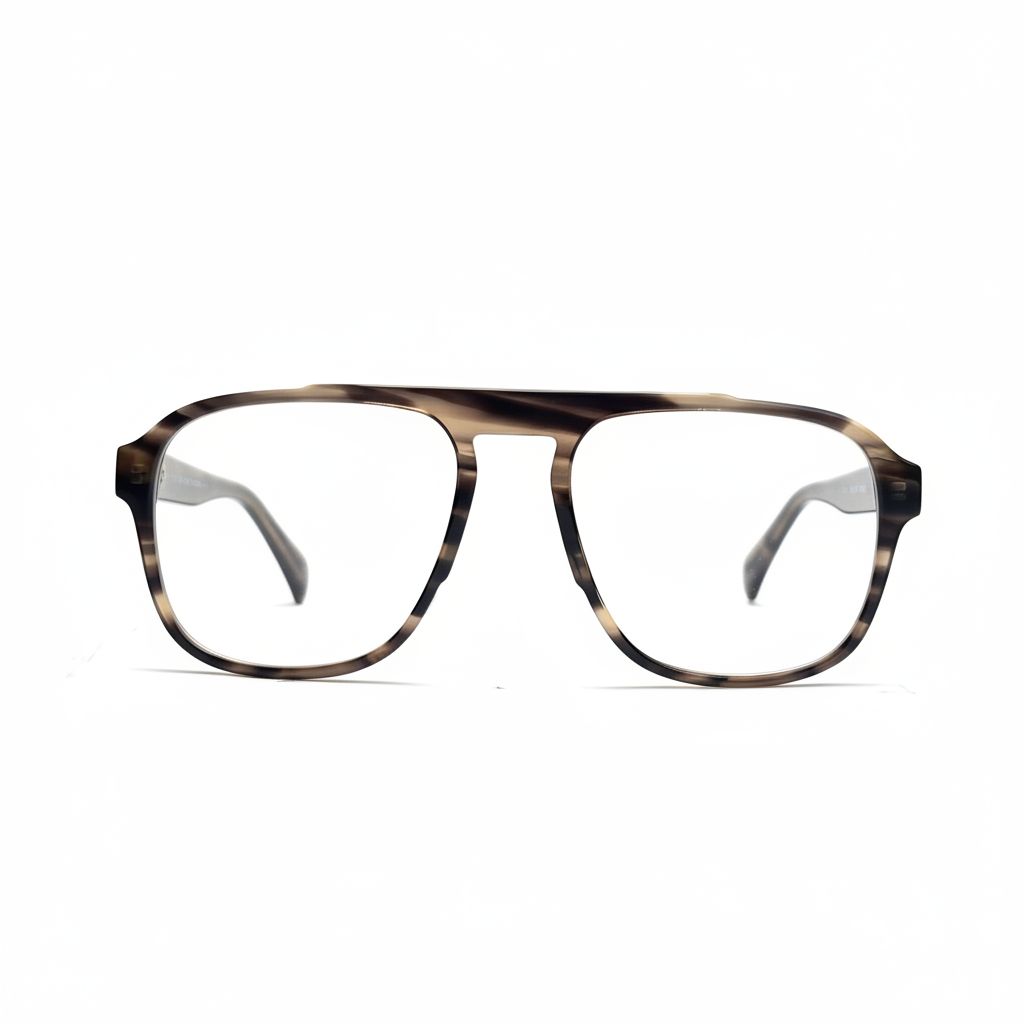
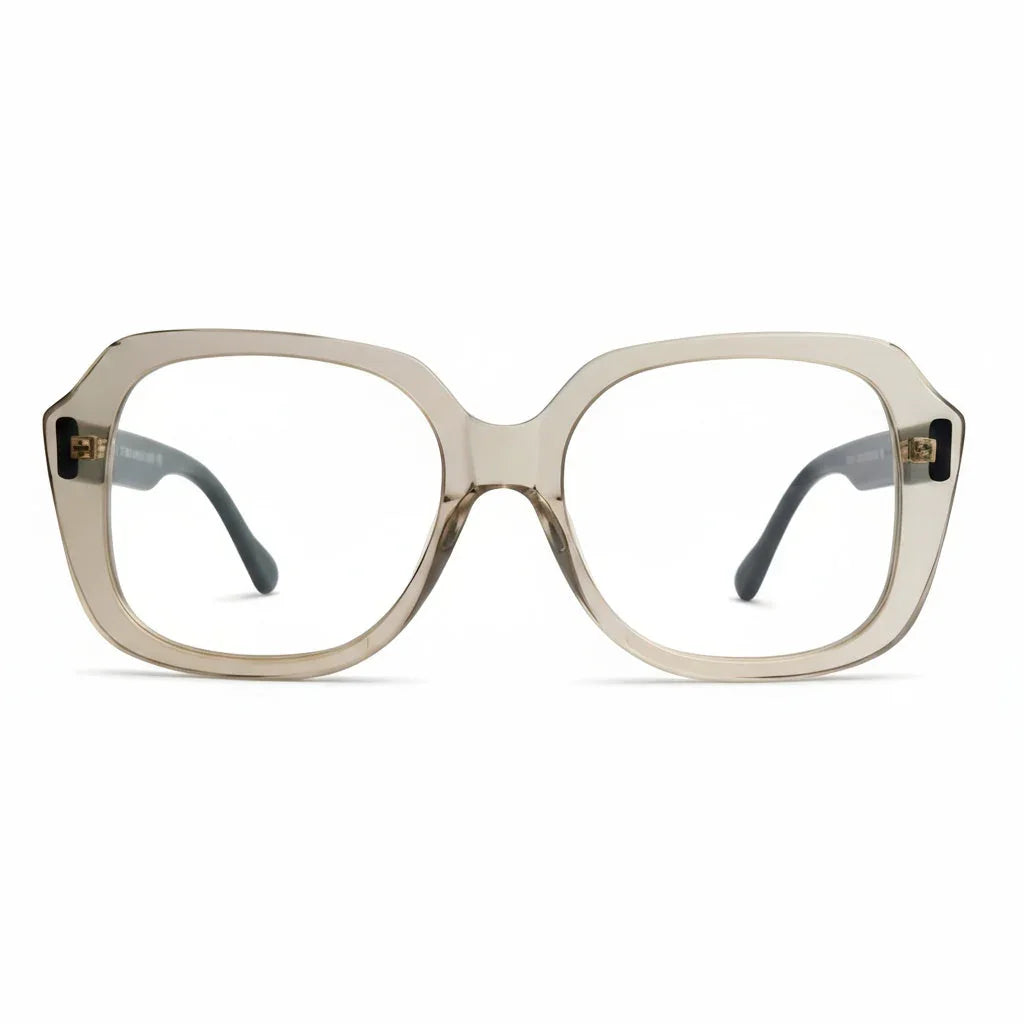
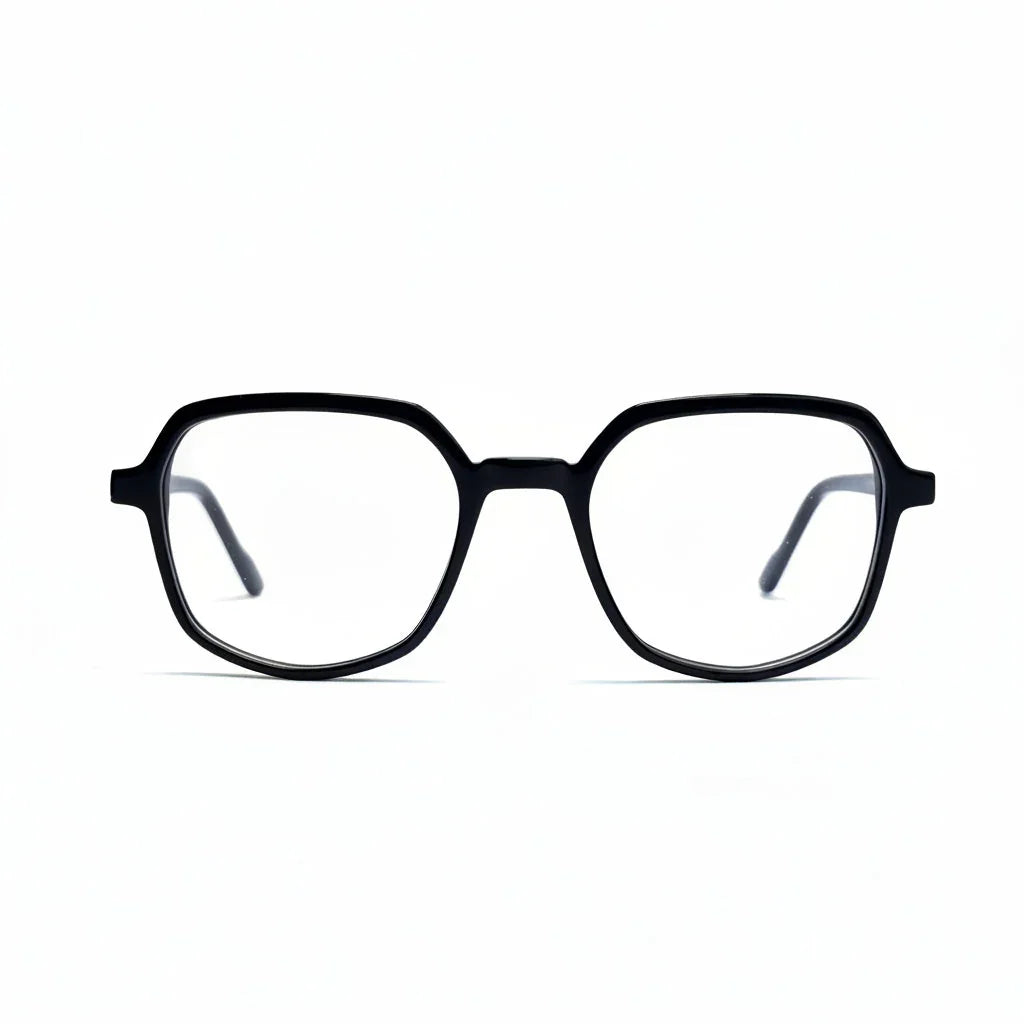
Photochromic, Polarized, or Blue Light: Why the Choice Confuses Everyone
Spend five minutes on eyewear forums and you will see the same post over and over: someone shares their first online glasses order and asks the community, "How did I do?" The frame usually gets compliments — but the lens upgrade choices are where first-time buyers second-guess themselves. Photochromic, polarized, blue light filtering: the names sound technical, the price differences feel opaque, and most product pages assume you already know what you need.
Here is the good news: these three lens technologies solve three completely different problems. Once you understand what each one actually does, the right choice for your day-to-day life becomes obvious. Let's break them down in plain language.
Blue Light Lenses: Built for Screen Marathons
Blue light filtering lenses are designed for one environment above all: the hours you spend in front of screens. Digital screens emit high-energy visible (HEV) light in the blue spectrum, and while the long-term science is still evolving, most heavy screen users report real, immediate benefits — a more comfortable end to a long screen day and an easier wind-down in the evening.
A blue light filter makes sense if you:
- Work 6+ hours a day at a computer or on a laptop
- Scroll on your phone in bed and struggle to fall asleep
- Find screen days draining by mid-afternoon
A lightweight, all-day-comfortable frame matters just as much as the filter itself when you wear glasses from 9 to 5. The Anders Square Titanium Glasses are a natural match — precision titanium keeps them exceptionally light on the nose bridge, which is exactly what you want during long desk sessions. And if you are still deciding on frame materials while you research lenses, our guide to acetate vs polycarbonate frames covers the other half of that decision.
Polarized Lenses: The Glare Killers
Polarized lenses are not about light color — they are about glare. When sunlight bounces off flat surfaces like roads, water, car hoods, and snow, it reflects horizontally and creates blinding, squint-inducing glare. A polarized filter blocks those horizontal reflections, which is why drivers, anglers, skiers, and beach-goers swear by them.
The difference is dramatic the first time you experience it: water surfaces that looked like white sheets suddenly become transparent, and dashboard reflections disappear. If you spend significant time driving or outdoors, polarization is less a luxury and more a safety feature.
For a classic take on the polarized sunglass, it is hard to beat an aviator. The Ben Titanium Aviator pairs the timeless teardrop shape with a featherweight titanium frame — the kind of sunglasses that live in your car's door pocket and earn their keep on every sunny commute. Prefer something rounder? The Alpine Round Sunglasses bring the same glare-cutting performance in a softer, retro-leaning silhouette that flatters most face shapes.
Photochromic Lenses: One Pair for Indoors and Out
Photochromic (often called transition) lenses are the chameleons of the lens world. Indoors, they are clear prescription lenses. Step into sunlight and they darken automatically within seconds; walk back inside and they fade back to clear. The magic is a photochemical layer that reacts to UV light — no UV, no darkening.
Photochromic lenses earn their keep if you:
- Move in and out of buildings all day — couriers, teachers, parents doing school runs
- Hate carrying two pairs of glasses everywhere
- Want UV protection without remembering to swap to sunglasses
The honest trade-offs: they darken less inside a car (most windshields block the UV that triggers the change), and extreme heat can limit how dark they get. But for anyone tired of juggling an everyday pair and a sunglasses pair, the convenience is transformative. The Andre Acetate-Titanium Round is an ideal photochromic candidate — its expressive acetate front works as an everyday style statement, while the titanium detailing keeps things light when the lenses do double duty.
Quick Comparison: Which Lens Technology Fits Your Life?
- Mostly indoors, heavy screen time? Blue light filtering. Pair it with a light frame like the Anders.
- Driving, water sports, snow, bright outdoor glare? Polarized, no contest. Start with the Ben aviator or Alpine round.
- Constant indoor-outdoor transitions, hate swapping glasses? Photochromic. The Andre round handles the lifestyle perfectly.
- Fashion-first sunny days? Polarized in a statement shape — the Arvid Cat-Eye Sunglasses prove protection and drama can coexist.
Can You Combine Technologies?
Yes — with caveats. Photochromic lenses can include a blue light filter for the indoor hours. Polarized lenses can carry UV400 protection (and should). What you generally cannot do is combine polarization with photochromic darkening in a single lens, because a permanently polarized lens is by definition a sunglass lens. That is why so many outdoor enthusiasts simply own two pairs: one everyday, one polarized.
One more thing worth saying: even people exploring laser eye surgery still keep quality sunglasses around — eye care professionals universally recommend polarized UV-protective eyewear post-procedure, because your eyes need sun defense no matter how you correct your vision.
The Bottom Line
Lens technology is not about finding the "best" option — it is about matching the lens to your actual day. Screens dominate your hours? Blue light filtering. Roads, water, and glare? Polarized. A life spent crossing doorways? Photochromic. Whichever route you take, the frame should disappear on your face while the lenses do the work — and every pair in the WEISS OPTIX collection is built to be compatible with premium lens upgrades, so your eyewear can adapt as your needs change.