Every week, hundreds of questions about glasses get posted to communities like r/glasses and r/fashion. Some are about style, some are about science, and a surprising number are simply: is this normal?
For this week's roundup we gathered the five questions wearers asked most often over the past seven days, paired them with straight answers, and closed with a quick look at the 2026 eyewear trends worth watching. If you have been on the fence about your next pair, chances are one of these questions is yours.
1. "I scratched my new lenses already — do I need to replace them?"
One first-time wearer on r/glasses picked up their first real pair this week, then nicked a lens while shifting a headset. The worry was familiar: use the one-time replacement now, or wait and see?
Here is how to judge it. A shallow scratch in the surface coating is usually cosmetic — you notice it most when light hits the lens at an angle, but it does not change your prescription. A deep gouge is different: if it scatters light, throws a glare streak at night, or sits right over the centre of your pupil, it is worth replacing. Anti-reflective coatings are more delicate than the lens itself, so most "scratches" people spot are actually coating marks, not damage to the optics.
To avoid the next one:
- Rinse with lukewarm water before wiping — dust is what grinds coatings off.
- Use a clean microfibre cloth. Paper towels, sleeves and tissues are abrasive.
- Never rest glasses lens-down, and keep heat away (no dashboard, no dishwasher).
- Store them in a hard case, not loose in a pocket or at the bottom of a bag.
If you want a pair you can genuinely stop worrying about, start with a sturdy everyday frame such as the Arno titanium square frame — titanium resists bending and holds its shape through everyday knocks far better than most plastics.
2. "Which lenses should I choose for a high prescription?"
A long-time wearer with a −5.50 / −6.50 prescription asked this week whether to switch lens brands after years with one manufacturer. The honest answer: at high prescriptions, brand matters far less than index and frame size.
Three things actually control how your glasses look and feel:
- Index. Thinner high-index material (1.67 or 1.74) reduces edge thickness. That is where the real difference lives, not in the label.
- Frame size. A smaller, well-centred frame means less lens to thin. Choosing a compact frame can do more for your profile than upgrading the lens.
- Optical centre alignment. Getting your pupils positioned correctly inside the frame prevents the swimmy edge distortion strong prescriptions are famous for.
A slim metal frame is a smart partner for a strong prescription because it stays light even when the lenses are dense. The Colin titanium-mix square frame keeps the profile understated while holding a higher-index lens securely.
3. "How do I know a frame actually suits my face?"
You have seen the threads — a photo, a hundred opinions, no resolution. There is a reason community votes can mislead: phone-camera focal length distorts both face shape and lens thickness. A frame that reads wide and heavy in a selfie can look perfectly balanced in person.
Use these checks instead of the comment section:
- Frame width should roughly match face width — no gap at the temples, no pinching.
- Your pupils should sit around the horizontal centre of the lens, or slightly above.
- The top of the frame should sit just below your eyebrows, not overlap them.
- Comfort beats convention: if it stays put through a full day, it fits.
Round faces usually gain definition from angular shapes, while softer frames flatter more angular features. A round silhouette such as the Andre acetate-titanium round frame is an easy, forgiving place to start if you want something that softens a stronger jawline.
4. "Acetate vs polycarbonate frames — which should I pick?"
This one comes up constantly in search, and it hides a mix-up. Acetate is a frame material. Polycarbonate is a lens material. They are not competitors — most acetate frames are fitted with polycarbonate lenses.
What people usually mean to ask is one of these two questions:
- Acetate vs titanium frames? Acetate gives you colour, depth and warmth, and is easily adjusted. Titanium is lighter, stronger and hypoallergenic, but more restrained in colour.
- Polycarbonate vs other lens materials? Polycarbonate is impact-resistant and ideal for sport or kids. For a high prescription, high-index lenses are thinner and lighter.
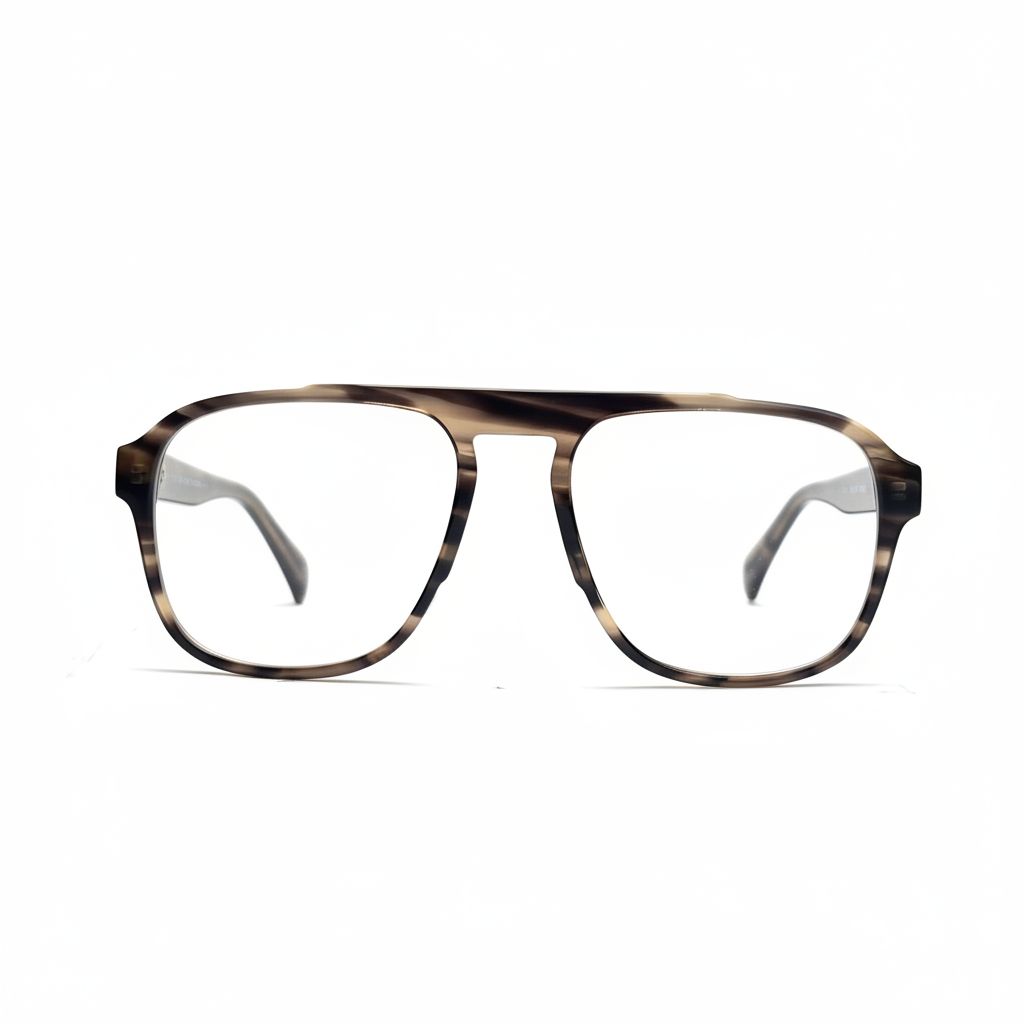
If you want a frame that carries rich, saturated colour, a classic acetate build is still unbeaten. The Dagfinn acetate square frame shows why the material has stayed popular for decades — deep colour, a comfortable weight and a shape that suits most faces.
5. "Do I really need a second pair?"
The most underrated question of the week. A second pair is not a luxury purchase; it is insurance. The single most common reason people end up squinting for days is a broken or misplaced primary pair — repairs and replacements rarely happen overnight.
The practical way to build a two-pair setup:
- Everyday pair: your workhorse, in a neutral shape and colour you will never tire of.
- Second pair: either a prescription sunglass for driving and bright light, or a colour you enjoy wearing socially.
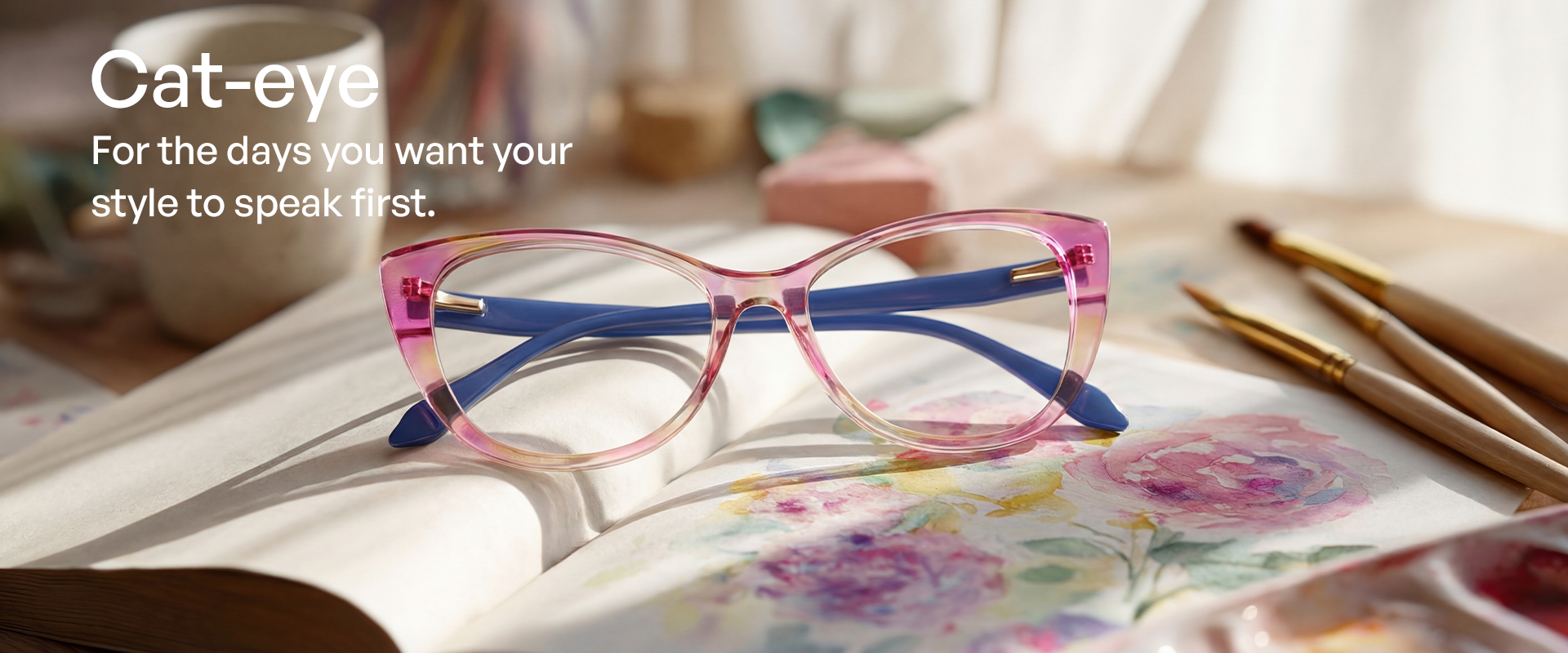
If your everyday frame is a quiet square or round, the second slot is the perfect place for a little personality — a prescription-ready cat-eye such as the Ebba cat-eye sunglasses works as both a back-up and a statement piece, so your spare never feels like a downgrade.
Trend Watch: What's Moving in 2026 Eyeglass Frames
Scanning this week's posts, three directions keep appearing again and again:
- Slim titanium and thin metal squares. Lightness is the new luxury — wearers are moving away from chunky plastics toward barely-there metal.
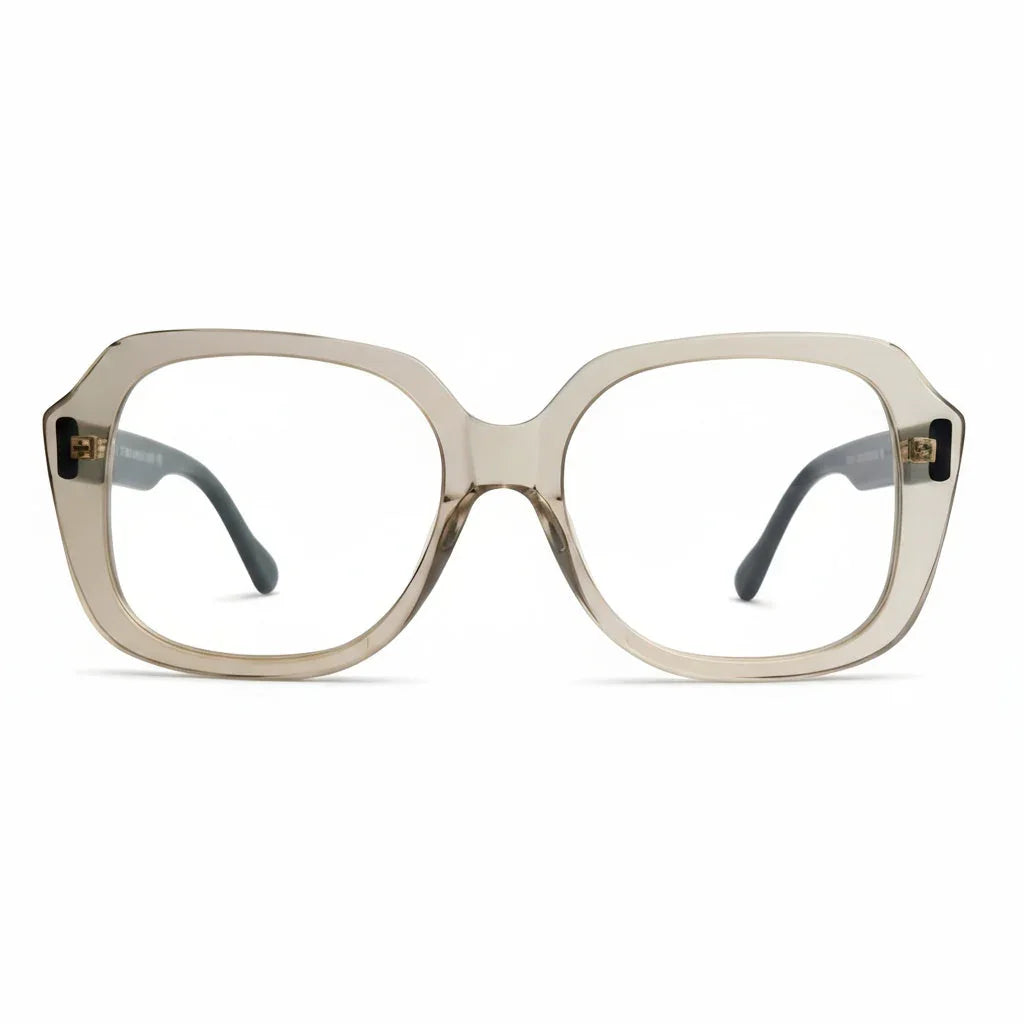
- Translucent and clear acetate. Clear frames read as modern and soften bold shapes, which is why they keep showing up in style threads.
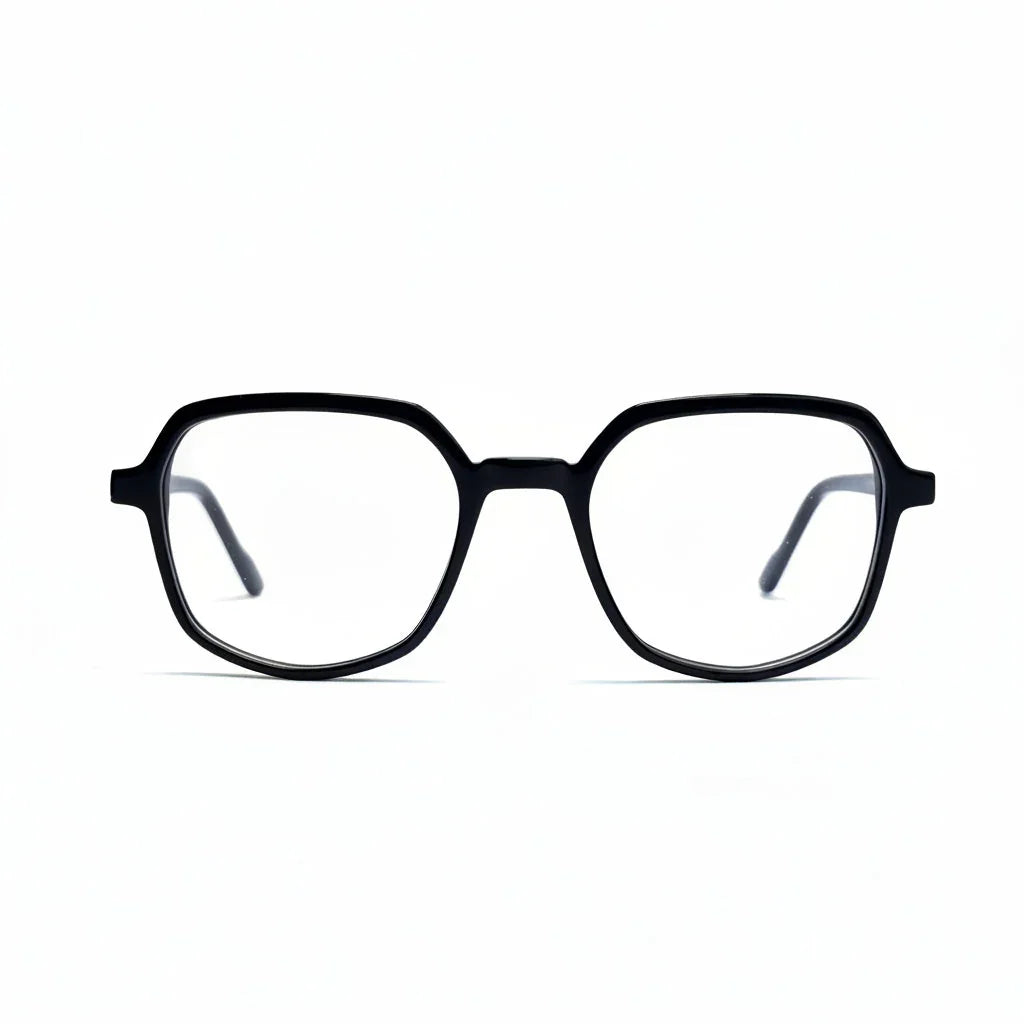
- Warm metal accents and geometric shapes. Copper and rose-gold detailing on geometric acetate bridges traditional and contemporary.
Underneath the trends, one theme is consistent: people want frames that feel invisible on the face and lenses they can stop thinking about.
The Takeaway
This week's questions all point the same way — good eyewear is less about a brand name and more about fit, lens index and material. Get the frame size right, choose the lens index your prescription deserves, and add a sensible second pair so a small accident never leaves you without vision.
Browse the full WEISS OPTIX eyewear collection to find a frame that fits the way you actually live — light, durable and easy to wear every day.