Why Your Eyes Feel Tired by 3 PM — And What Glasses Actually Help
If you've ever finished a long workday and felt like your eyes were heavier than the rest of you, you're not imagining it. Millions of people now spend 8–10 hours a day staring at screens, and our eyes weren't designed for that kind of load. The good news: the right eyewear can meaningfully reduce the strain.
Here's what's actually happening to your eyes, and which lenses and frames make the biggest difference.
1. Digital Eye Strain Is Real — And It's Cumulative
Eye doctors call it computer vision syndrome. The symptoms are familiar: dry eyes, blurred vision after screen time, headaches behind the eyes, neck and shoulder tension. What causes it is simpler than you think:
- We blink 60% less when looking at screens. Less blinking means tears evaporate faster, leading to dry eyes.
- Our eyes stay "locked" at intermediate distance for hours. The ciliary muscle that controls focus never gets a break.
- High-energy visible (HEV) blue light from LED screens scatters more than other wavelengths, reducing contrast and forcing your eyes to work harder.
After 8 hours of this, your eye muscles are as fatigued as your legs after a hike.
2. Blue Light Glasses: Do They Actually Work?
This is one of the most debated topics in eye care. Here's the honest answer:
- Blue light blocking lenses reduce glare and may improve visual comfort during long screen sessions. That's measurable.
- They don't prevent retinal damage at typical screen brightness. That claim is overblown by marketing.
- The biggest benefit is behavioral: wearing blue light glasses reminds you to take breaks, which actually protects your eyes more than the lens coating itself.
If you spend 6+ hours a day on screens, blue light lenses are worth trying for comfort. If your screen time is light, save your money.
A solid pair of Birk frames with a blue light coating is a comfortable everyday option that won't weigh on your nose.
3. The 20-20-20 Rule (and Why Most People Skip It)
Eye doctors have recommended the 20-20-20 rule for years: every 20 minutes, look at something 20 feet away for 20 seconds. It works. Almost nobody follows it.
Why? Because 20 minutes passes faster than you think when you're in flow. The practical fix:
- Set a recurring timer on your phone or use an app like Eye Care 20 20 20.
- Stand up to look out a window — the act of standing forces a posture reset.
- Keep a far-away focal point in your peripheral vision (a wall poster, a plant across the room).
This single habit, more than any lens technology, will protect your long-term eye health.
4. Frame Choice Affects Eye Comfort More Than You Think
Most people think of frames as a style decision. They're also an ergonomic one. A few principles worth knowing:
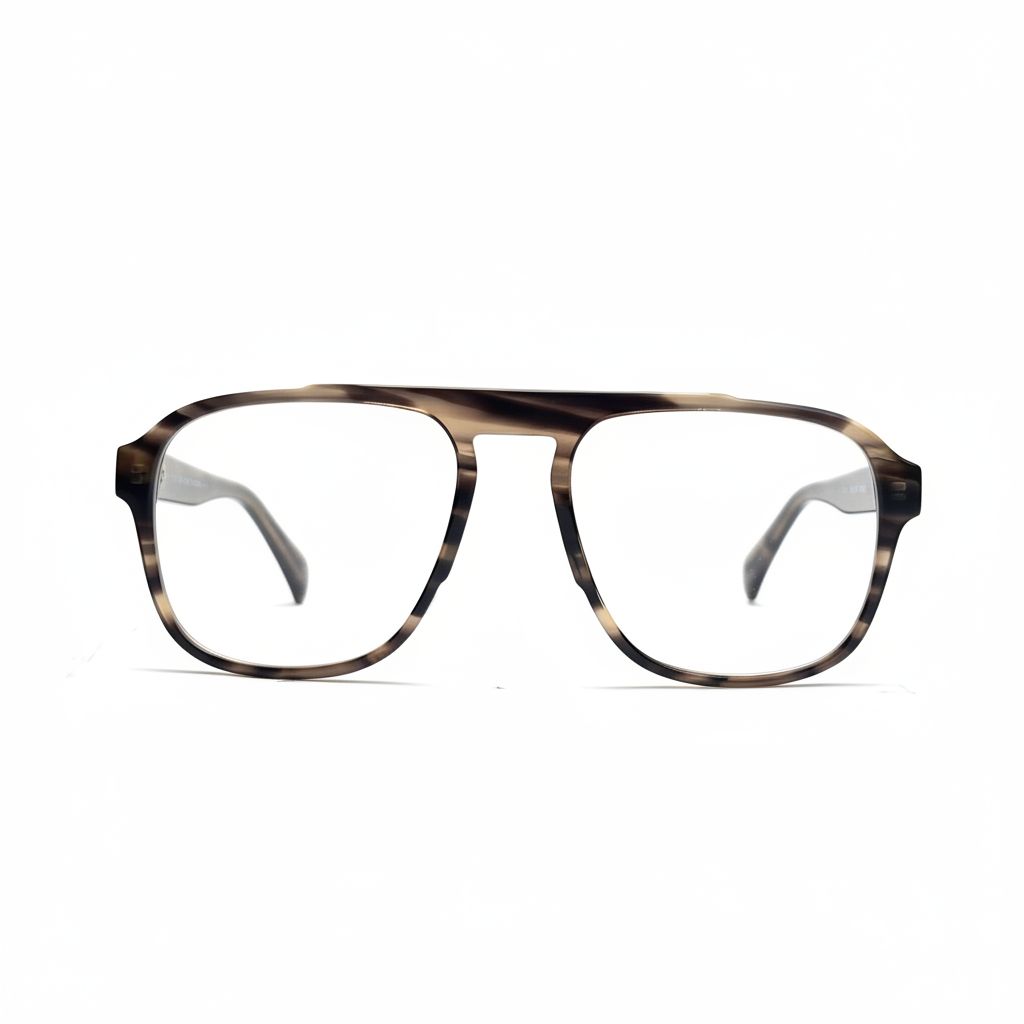
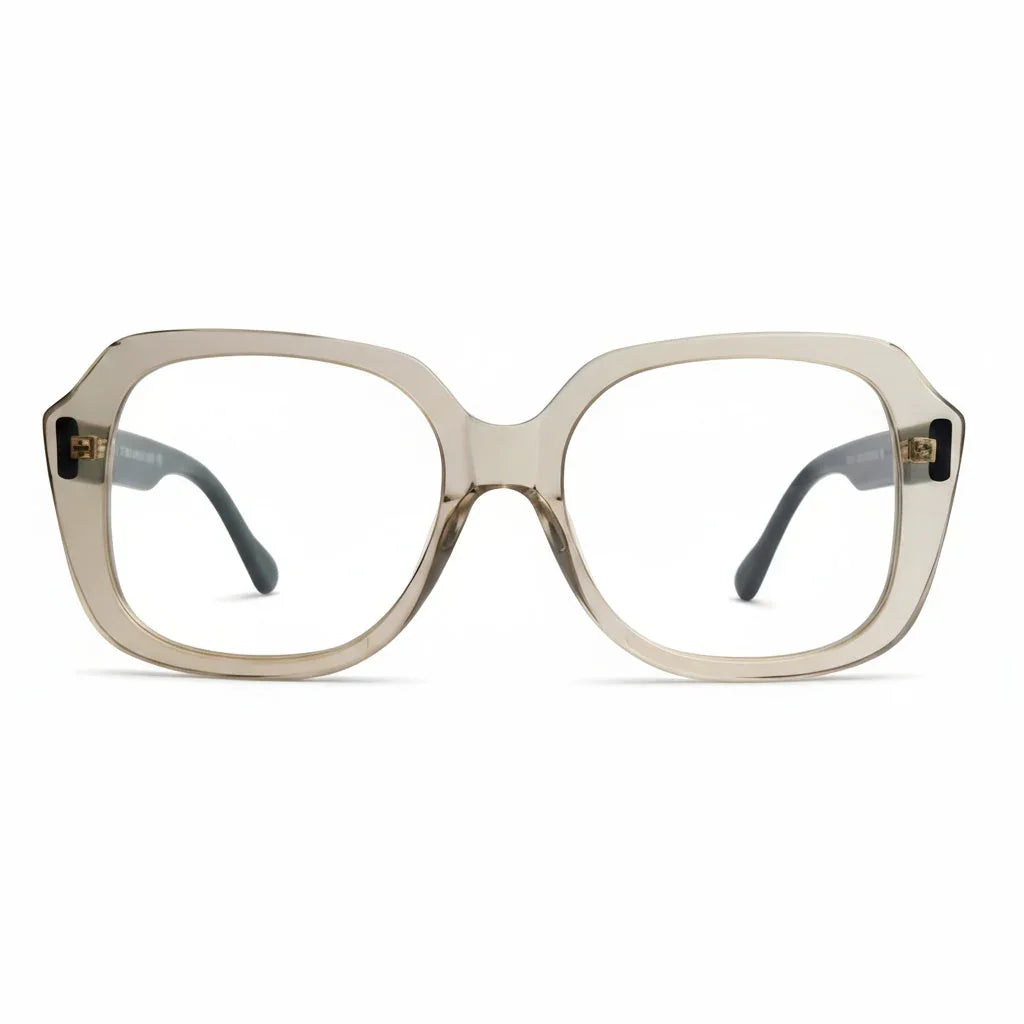
Lens coverage matters. Larger frames like Ben or Alpine protect more of your eye area from wind, dust, and peripheral light. If you work outdoors or commute in a city, that protection reduces eye fatigue throughout the day.
Weight and fit determine whether you'll actually wear them. A 25-gram titanium frame like Bastian feels almost weightless. A heavier acetate frame can leave red marks on your nose by 5 PM, which means you'll take them off — and the protective benefits go with them.
Bridge fit controls your field of vision. Frames that slide down your nose force you to look over the lenses to read. That defeats the purpose. If your frames constantly slip, see an optician about bridge adjustment, or try a frame with adjustable nose pads.
5. Sunglasses Are Health Gear, Not Just Fashion
UV damage to your eyes is cumulative and irreversible. Every hour in unprotected sun contributes to:
- Cataracts — clouding of the eye lens, the leading cause of vision loss worldwide.
- Macular degeneration — damage to the retina that affects central vision.
- Photokeratitis — essentially sunburn on your cornea. Painful and temporarily blinding.
This is one area where lens quality genuinely matters. Look for 100% UV400 protection (blocks all UVA and UVB rays). Polarization is a separate feature that reduces glare but doesn't add UV protection — make sure your sunglasses have both.
A pair of round-frame Breezy sunglasses with UV400 polarized lenses is the kind of everyday accessory you actually wear, which matters more than owning "good" glasses that sit in a case.
6. Annual Eye Exams Aren't Optional
Even if your vision feels stable, eye exams catch problems you can't feel yet — glaucoma, early macular changes, blood pressure indicators visible in the retina. Adults should get a comprehensive eye exam every 1–2 years, even without symptoms.
The exam also confirms your prescription is current. Wearing an outdated prescription is one of the leading causes of chronic eye strain and headaches.
The Takeaway
Eye comfort is built from small habits plus the right equipment. You don't need the most expensive glasses — you need glasses you'll actually wear, with coatings that match your daily routine, paired with basic screen hygiene. Start with the 20-20-20 rule, get an updated prescription, and choose frames that fit well enough to stay on your face all day.
Your eyes are the one part of your body that can't be replaced. Treat the small stuff, and the long-term picture takes care of itself.