Why "Disposable" Glasses Cost More Than You Think
Walk into any eyewear discussion online and you'll quickly notice the same frustration: a favorite pair snaps at the hinge, the finish flakes after a season, or the frame simply disappears into the bottom of a bag. On Reddit, one wearer shared a $900 MYKITA pair that had survived five years of heavy use until the hinges began cracking beyond repair. Another asked for glue recommendations just to keep a broken temple functional for one more month. These aren't rare complaints — they're daily reminders that glasses are still treated as replaceable accessories instead of long-term tools.
At WEISS OPTIX, we started with a different assumption: the most sustainable pair of glasses is the one you don't have to replace. That belief shapes every material choice, hinge design, and finish decision we make. Weiss glasses aren't built to chase a single season. They're built to stay on your face, in your rotation, and out of landfill.
What Real Wearers Are Asking For
The Reddit threads that stuck with us weren't just about broken frames. They were about trust. One poster wanted to know if anyone online could reliably fill a strong prescription into frames that actually fit a larger face. Another was surveying people about how often they lose their glasses — a quiet signal that when people misplace a pair, the replacement cost matters. These conversations point to the same underlying need: eyewear should feel reliable enough to live with.
That reliability is where our brand story begins. WEISS OPTIX was founded on the idea that direct-to-consumer eyewear should stop imitating fast fashion and start borrowing from better categories — precision tools, travel gear, and classic accessories that age instead of expire.
Materials That Earn Their Place
Not all frame materials are created equal, and the difference isn't just about weight or price. It's about longevity. Our collections rotate around three core material families, each chosen for a specific durability advantage.
Acetate: The Workhorse with Character
Acetate is a plant-based cellulose material that's been used in premium eyewear for decades. Unlike injection-molded polycarbonate, which can become brittle over time, quality acetate develops a soft patina and holds its shape through temperature swings and daily handling. The long-running search debate around acetate vs polycarbonate frames usually comes down to this: polycarbonate is cheaper and lighter upfront, but acetate lasts longer and feels better year after year.
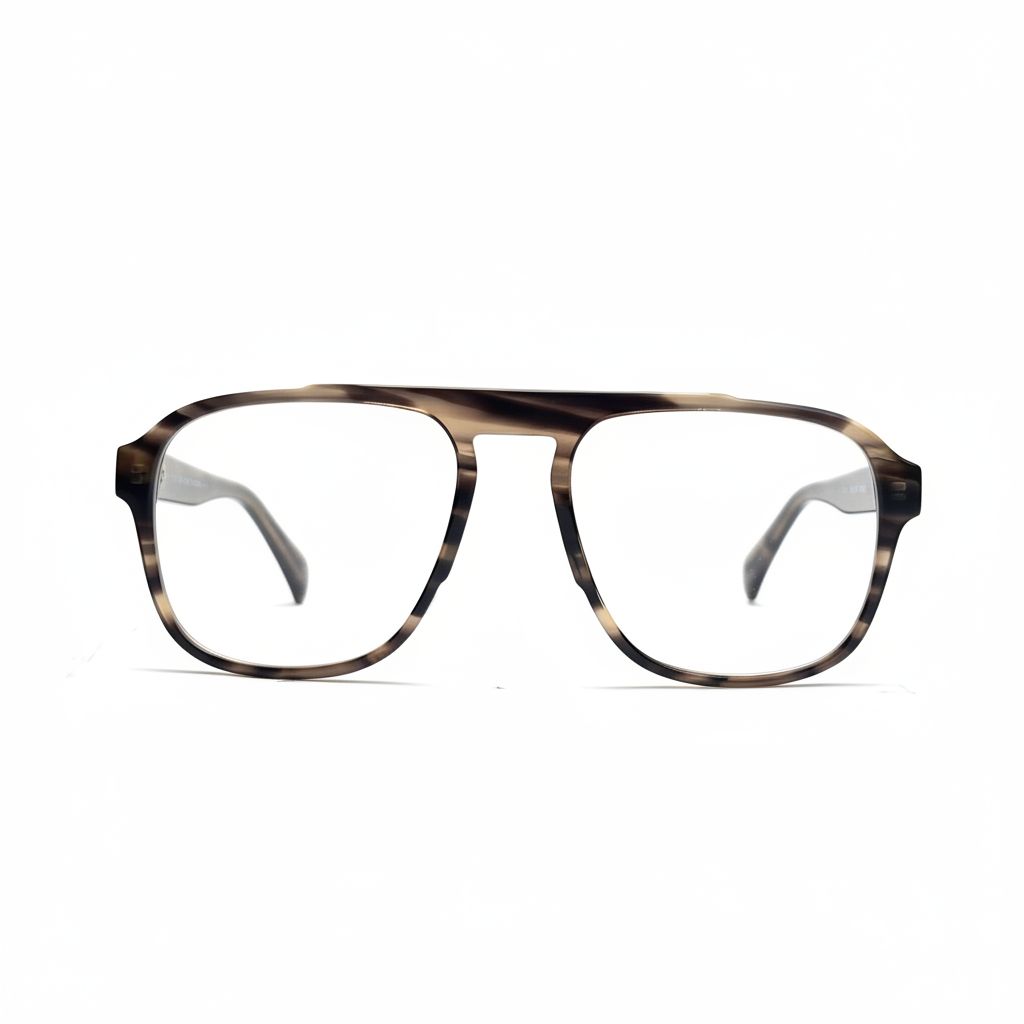
Consider the Caspar — a square acetate frame with a substantial feel that doesn't translate to heaviness. It's the kind of frame that looks sharper after six months of wear, not worn out.
Titanium: Strength Without the Bulk
Titanium is roughly 40% lighter than steel and far more resistant to corrosion and metal fatigue. For anyone who has snapped a wire temple or watched a cheap metal frame oxidize at the nose pads, titanium is the obvious upgrade. It also retains its spring, which means the fit stays consistent over time.
The Anders uses a titanium square silhouette that's light enough for all-day wear and strong enough to survive being tossed into a bag. For a more understated rectangular option, the Earl channels that same titanium durability into a clean, professional shape.
Hybrid Constructions: The Best of Both
Some frames benefit from combining materials. An acetate front delivers color depth and warmth, while titanium temples provide flex, grip, and long-term hinge stability. This hybrid approach is one of the quieter reasons our frames hold up where all-acetate or all-polycarbonate designs begin to fail.
The Andre is a round hybrid frame that pairs an expressive acetate front with titanium detailing. It's designed for people who want character without fragility. The Carsten takes a similar philosophy into a rounder, slightly softer profile.
Designed for Real Life, Not Just Product Photos
Durability isn't only about material. It's about the details that show up after months of use: adjustable nose pads that don't loosen, hinges that don't squeak, and temple tips that keep their bend. WEISS OPTIX frames are spec'd with these realities in mind because we know the real test happens after the unboxing.
This is also why we avoid trend-chasing shapes that look dated within a season. A frame that still feels relevant in three years is a frame you're less likely to replace. Sustainability, in our view, starts with wanting to keep what you already own.
Sustainability Isn't a Marketing Line — It's a Timeline
True sustainable eyewear isn't about swapping plastic for a slightly greener plastic and calling it a day. It's about extending the usable life of every pair so fewer frames are manufactured, shipped, and discarded in the first place. The longer your glasses last, the smaller their environmental footprint becomes per wear.
The Breezy illustrates that idea across seasons. It's a round acetate sunglass that's styled enough for weekends and practical enough to live in your car, your desk, or your travel kit year-round. Owning one versatile pair that you actually reach for reduces the temptation to collect throwaway alternatives.
The WEISS OPTIX Promise
We don't design glasses to be cheap. We design them to be worth it. Every WEISS OPTIX frame is a response to the same question we see in forums and reviews: Can I trust this pair to last? Our answer is built into the materials, the construction, and the quiet decision to prioritize longevity over novelty.
If you're comparing acetate vs polycarbonate, debating titanium, or simply looking for weiss glasses that won't need replacing next year, start with the pair that fits your life — and know that it was built to stay there.