The Question Everyone Is Asking Right Now
On eyewear forums, one debate keeps resurfacing: are designer glasses actually worth it, or are you mostly paying for the name? One recent post put it perfectly — the writer had always bought reasonably priced frames, but was now eyeing pairs from the big designer houses and genuinely wondering what the extra money buys. Better hinges? Better materials? Or just a logo on the temple? It is the right question to ask in 2026, especially with eyewear trends 2026 pushing premium-looking frames into every feed. The honest answer: sometimes you are paying for real engineering, and sometimes you are paying for a licensing deal. This guide shows you how to tell the difference — and how to get the real thing without the markup.
What You Are Actually Paying For With Designer Frames
Here is the part the industry rarely explains. Many "designer" eyewear brands do not make their own frames at all — they license their name to large eyewear conglomerates that manufacture the frames alongside mid-tier house brands, often in the same factories. You may be getting a slightly different hinge finish and a much different invoice. What genuinely separates a great frame from a mediocre one is boring and checkable:
- Material. Real acetate (not injected plastic), titanium (not nickel alloy), and quality plating.
- Hinges and hardware. Sturdy barrel hinges, reinforced rivets, smooth screws that survive daily use.
- Finish. Even polish, consistent color depth, clean edges — no molding seams.
- Fit engineering. Proper nose pad design, balanced weight, temple curvature.
None of these features require a famous name. They require a brand that spends its budget on the frame instead of the licensing fee.
Materials First: Acetate vs Polycarbonate (and Where Titanium Fits)
If you take one shopping skill from this article, make it material literacy. In the classic acetate vs polycarbonate comparison, injection-molded polycarbonate frames are cheap to produce but tend to feel lightweight-hollow, lose color depth, and get brittle over years. Cellulose acetate, by contrast, is a plant-based material cut and polished from block — it carries rich, layered color, can be adjusted with heat, and ages gracefully. It is the material most "expensive-looking" frames are made of, whether or not they carry a logo.
Titanium is the other quiet luxury. It is roughly half the weight of conventional metals, hypoallergenic, and nearly corrosion-proof — the reason a good titanium frame can outlive several fashion cycles. You will feel the difference the first hour you wear it, not the first year.
The Replica Trap: Why "First Copy" Sunglasses Cost You More
Another forum thread making the rounds is from a shopper celebrating "first copy" sunglasses — replicas ordered online that "look amazing" for a fraction of the price. It is an understandable impulse, and the aesthetics of a good replica can be convincing. But here is what the photos do not show: counterfeit and replica sunglasses almost never carry certified UV400 protection, and dark lenses without UV filtering are actually worse than no sunglasses at all — the darkness makes your pupils dilate and invites more UV into your eyes. Add zero quality control on lens optics, no warranty, and hardware that fades in a season, and the "bargain" starts looking expensive. The smarter play is buying original designs in real acetate with certified UV lenses — the designer look, minus the counterfeit risk and the designer price.
Price Check: Warehouse Clubs vs Online Specialists
A fresh thread this week compared a warehouse club order against a big online retailer — same lens package, roughly a hundred dollars apart — with the shopper hesitating because of return-shipping anxiety. It captures the modern buying dilemma: you want quality lenses (anti-glare, anti-scratch, photochromic, high-index) but you do not want to overpay or get stuck in a painful return loop. The takeaway for any buyer: compare the total package — frame material, lens coating stack, warranty, and return policy — not just the headline price. A frame built on real acetate or titanium with a clear, fair return process beats a discounted designer logo with neither.
Product Spotlight: Five Frames That Deliver Designer Quality Without the Markup
So what does the "worth it" version of this purchase look like? These five WEISS OPTIX frames check every box on the quality checklist above:
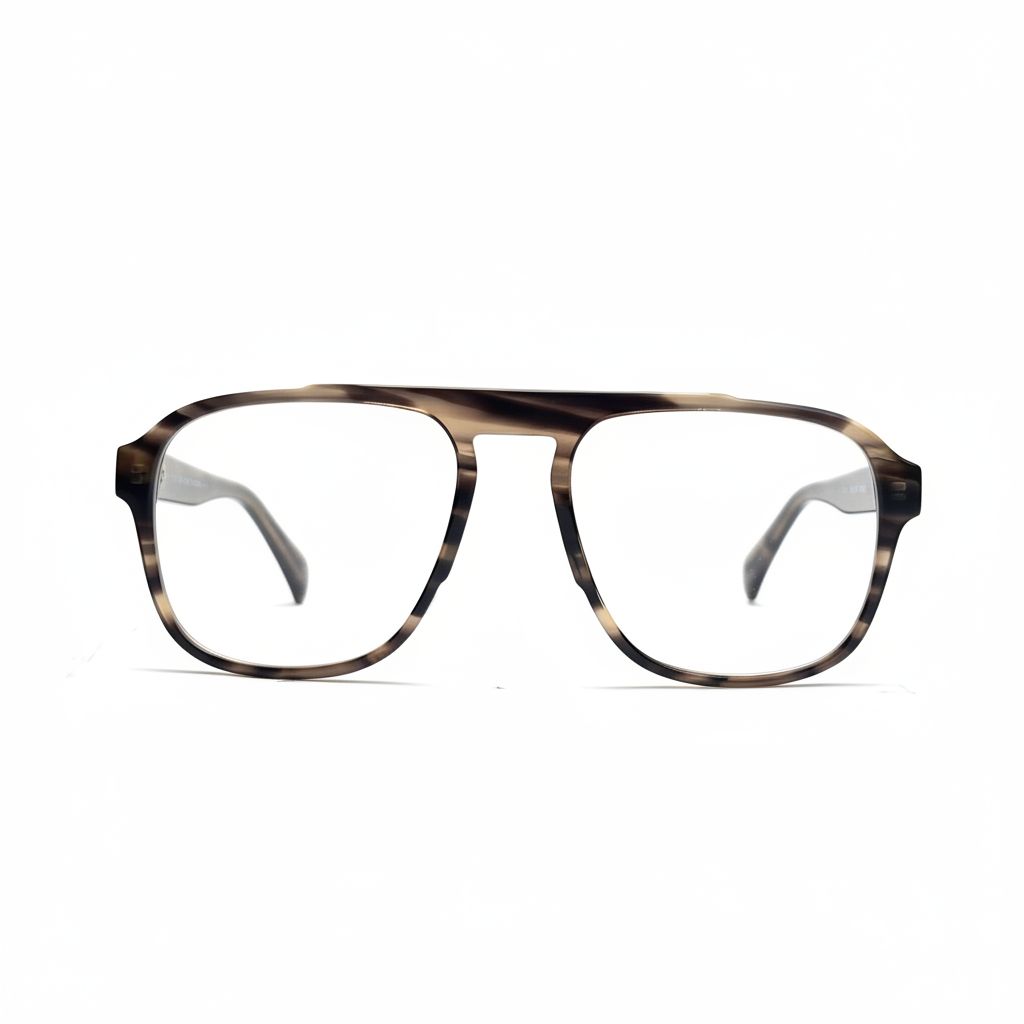
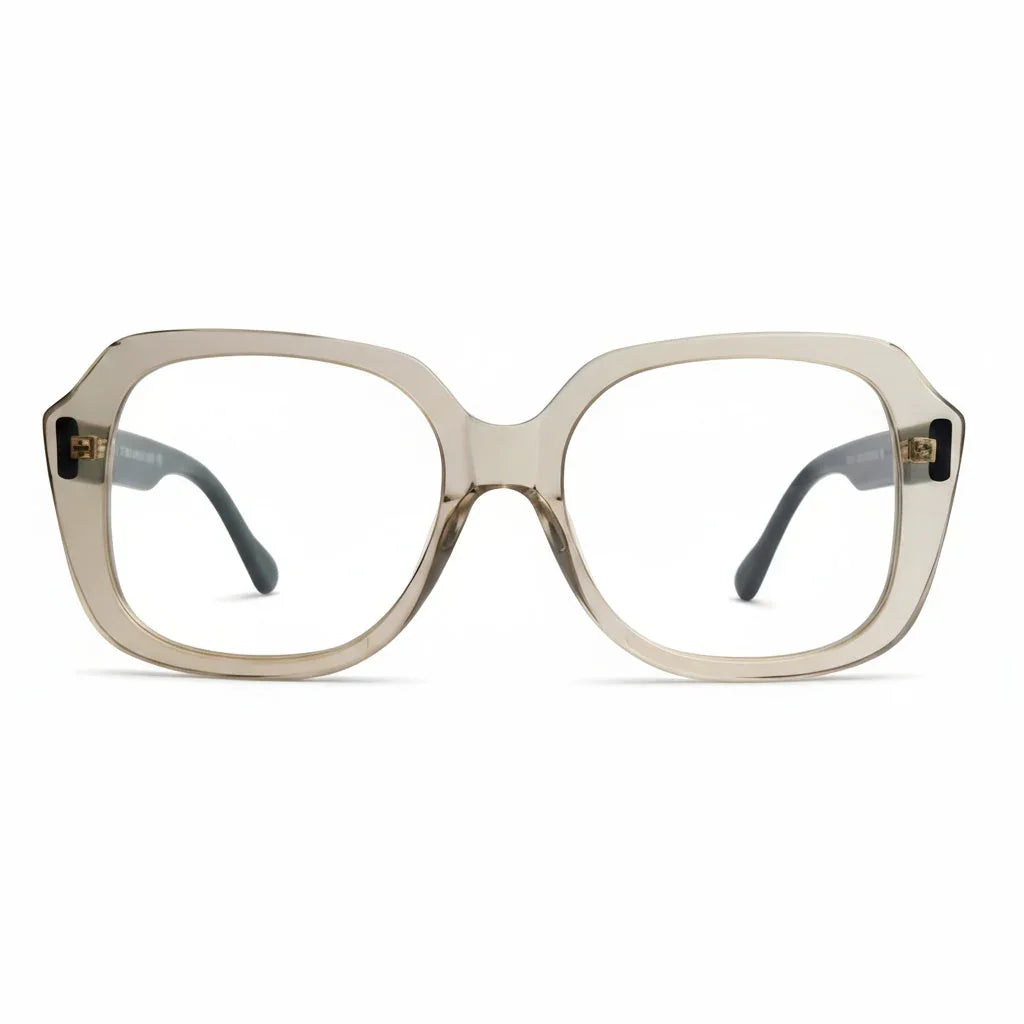
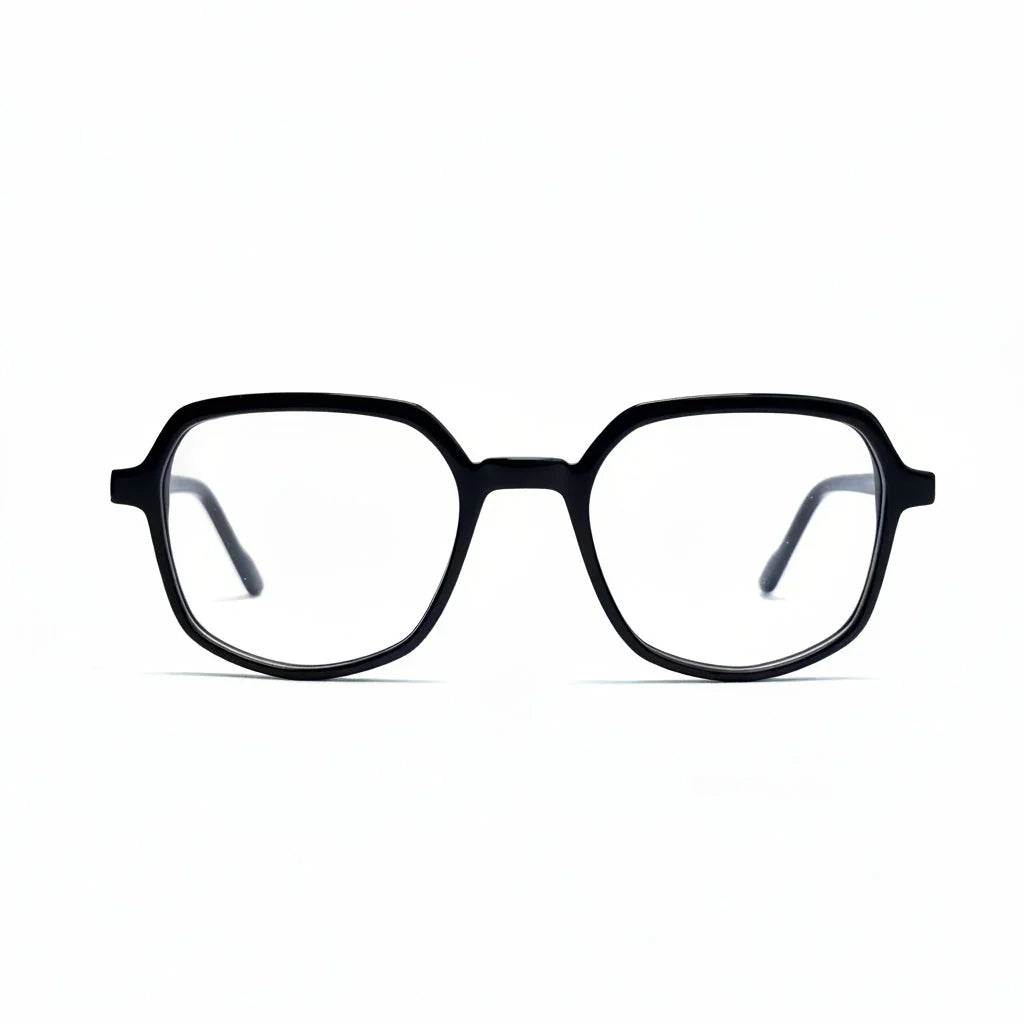
Consider the Dagfinn — a square acetate frame with the deep, layered color and hand-polished finish you normally associate with premium designer acetate, at a non-designer price.
The Anders is the titanium argument in one product: precision titanium construction that balances strength with an exceptionally light feel — the same material story as high-end metal frames, without the licensing surcharge.
For the designer silhouette everyone asks about, the Acker delivers a tortoiseshell cat-eye in genuine acetate — proof that the "expensive look" is about material and shape, not a name.
Skipping the replica route entirely, the Arvid gives you an original cat-eye sunglass with dependable premium-frame construction and real UV protection — the fashion-magazine look without the counterfeit gamble.
And for all-day everyday wear, the Bastian rounds things out: a titanium round frame so light you forget it is on your face, with the durability to make it a years-long purchase rather than a seasonal one.
How to Decide What Is Worth It for You
Before your next frame purchase, run this quick checklist:
- Ask what the frame is made of. Acetate or titanium = worth a premium. Unnamed "plastic" = usually not.
- Compare the lens package. Coatings and index options matter more to daily comfort than the logo ever will.
- Check the return policy. Confidence in the product shows in the fine print.
- Ignore the name, inspect the hinges. Smooth barrel hinges and clean finishing tell you more than any brand story.
Are designer glasses worth it? A select few, perhaps. But the frames you will actually love in three years are the ones built on honest materials, solid hardware, and a fair price — which is exactly how we build every pair of weiss glasses at WEISS OPTIX. Browse the full collection and see what quality looks like when you strip out the markup.