Introduction
When shopping for premium eyewear, one of the most important decisions you'll face is choosing between titanium and acetate glasses frames. Both materials are widely used in high-end eyewear, but they offer very different experiences in terms of weight, durability, aesthetics, and comfort. In this guide, we break down everything you need to know to make the right choice for your lifestyle.
Explore our full range of premium eyeglass frames to find the perfect pair.
What Are Acetate Frames?
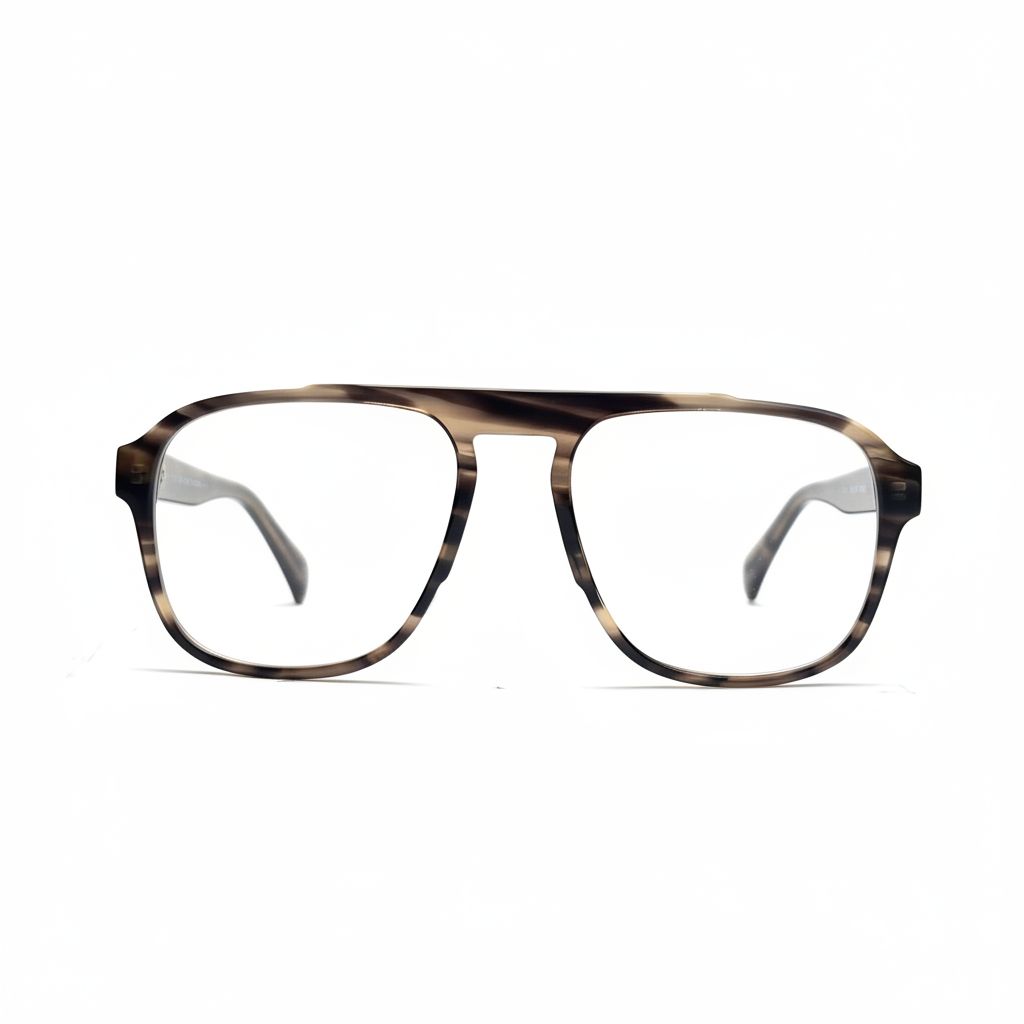
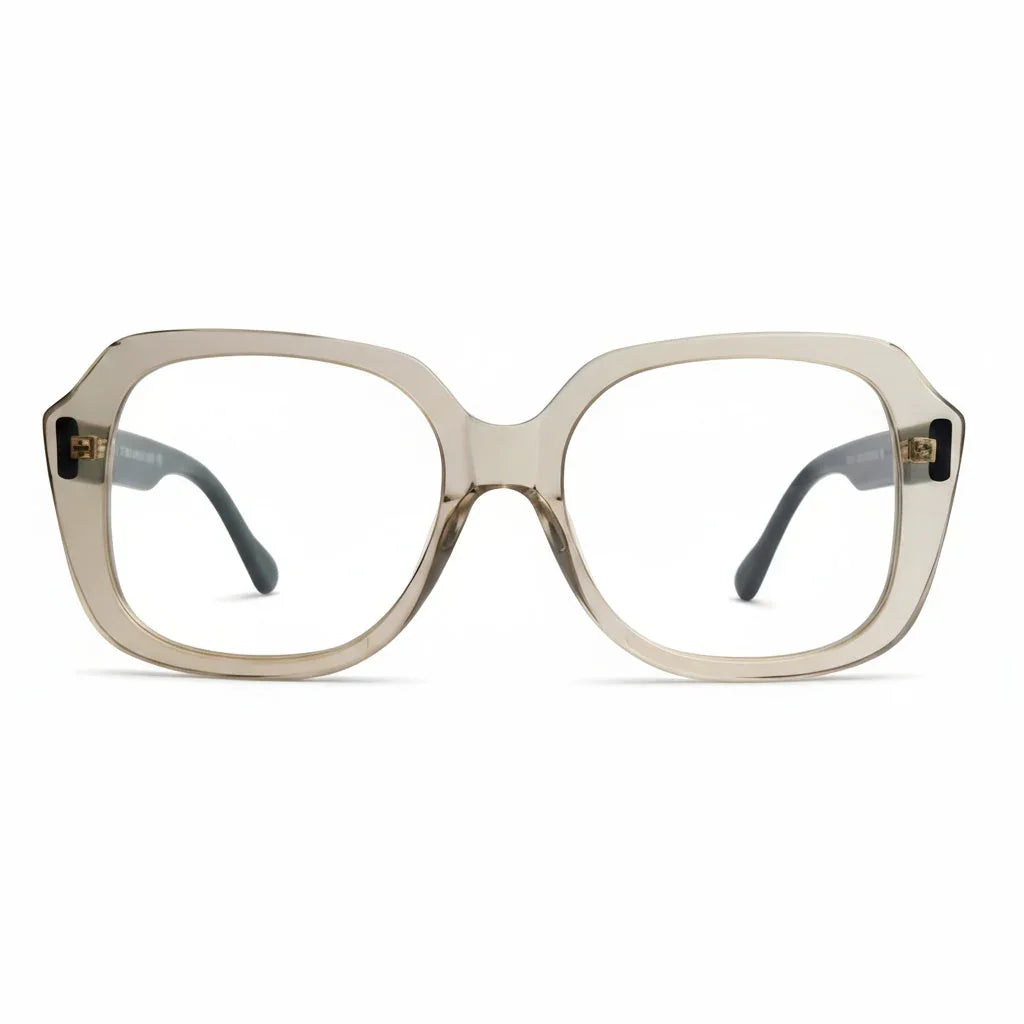
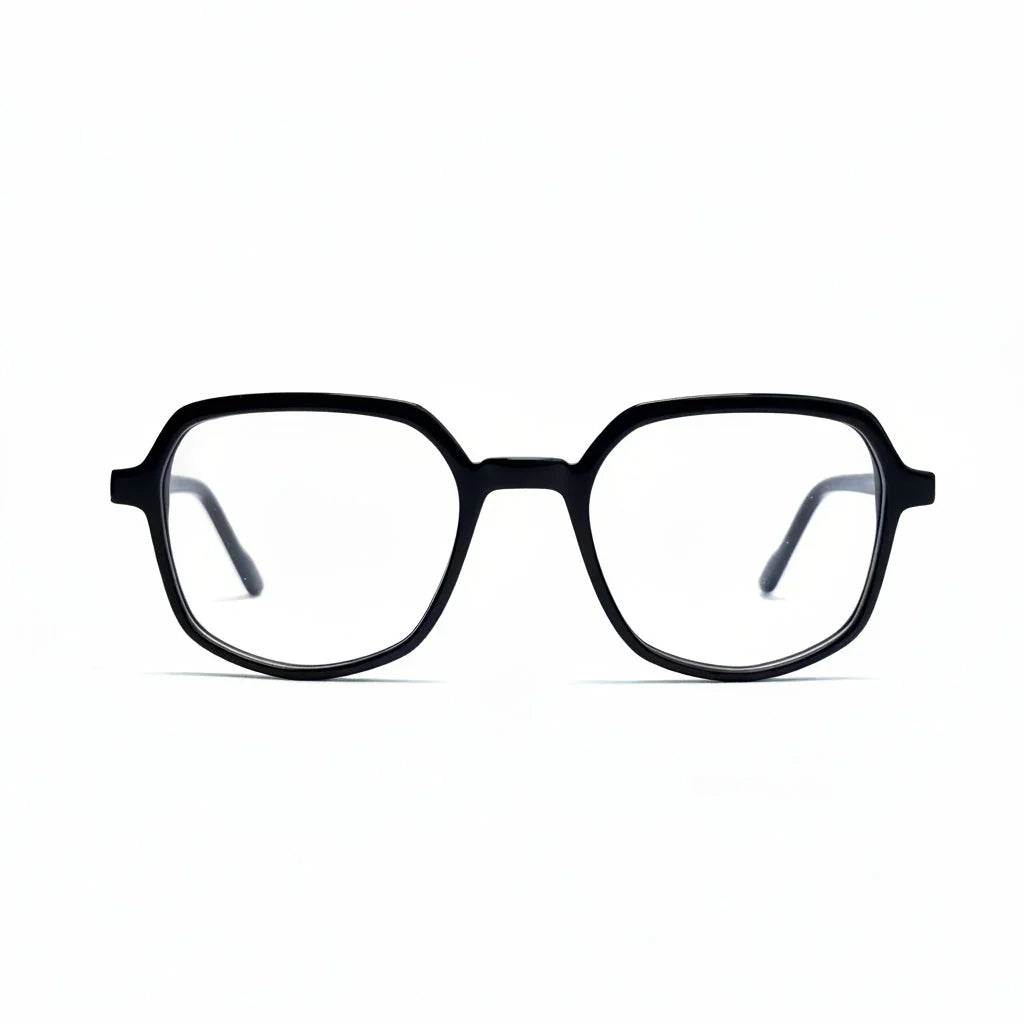
Acetate is a plant-based plastic derived from cotton and wood pulp. It has been the material of choice for premium eyewear designers for decades, prized for its rich color depth, pattern variety, and comfortable fit.
Pros of Acetate Frames
Acetate frames offer exceptional color richness — from deep tortoiseshells to vibrant solids and layered patterns that simply cannot be replicated in metal. They are hypoallergenic, making them suitable for those with sensitive skin. Acetate is also relatively lightweight and can be adjusted by an optician using heat, ensuring a custom fit over time.
Cons of Acetate Frames
Acetate frames can be slightly heavier than ultra-thin titanium options. They may also be more susceptible to warping in extreme heat if left in direct sunlight for extended periods, such as inside a hot car.
What Are Titanium Frames?
Titanium is a premium metal alloy known for its exceptional strength-to-weight ratio. It is used in aerospace engineering and medical implants — and for good reason. In eyewear, titanium delivers a refined, minimalist aesthetic with outstanding durability.
Pros of Titanium Frames
Titanium frames are incredibly lightweight, often feeling almost imperceptible on the face. They are highly corrosion-resistant, hypoallergenic, and extremely durable — able to withstand daily wear without losing their shape. For those who prefer a sleek, understated look, titanium is hard to beat.
Cons of Titanium Frames
Titanium frames typically come in a more limited range of colors compared to acetate, as the material is harder to dye. The aesthetic tends toward minimalist and modern, which may not suit those looking for bold, expressive styles.
Titanium vs Acetate: Side-by-Side Comparison
Here is a quick comparison to help you decide:
- Weight: Titanium is lighter; acetate is slightly heavier but still comfortable
- Durability: Both are highly durable; titanium has a slight edge for long-term resilience
- Style variety: Acetate wins for color and pattern options; titanium excels in minimalist designs
- Hypoallergenic: Both are hypoallergenic and skin-safe
- Adjustability: Acetate can be heat-adjusted; titanium requires professional tools
- Aesthetic: Acetate is bold and expressive; titanium is sleek and refined
Which Frame Material Is Right for You?
If you value bold color, rich patterns, and a classic premium look, acetate is your ideal choice. If you prioritize featherlight comfort, minimalist design, and long-term durability, titanium is the way to go. Many eyewear enthusiasts own both — one for everyday wear and one for special occasions.
Browse our best-selling frames to discover which style speaks to you.
Shop Premium Eyewear at WEISS OPTIX
At WEISS OPTIX, we curate only the finest acetate and titanium frames for discerning wearers. Whether you're drawn to the sculptural richness of acetate or the refined precision of titanium, our collection has something exceptional for you.