Why Sustainability Matters in Eyewear
The eyewear industry, like all fashion sectors, carries an environmental footprint. From raw material extraction to manufacturing processes and end-of-life disposal, every pair of glasses has an impact. For those who care about making more responsible purchasing decisions, understanding what makes eyewear genuinely sustainable — rather than simply marketed as such — is essential.
Explore our eyewear collection, where quality and longevity are core selection criteria.
The Most Sustainable Frame: The One That Lasts
Before examining materials and manufacturing, it is worth stating the most important principle in sustainable eyewear: the most eco-friendly frame is the one you wear for many years. A premium pair of acetate or titanium frames that lasts a decade has a far lower environmental impact than three or four cheaper pairs replaced over the same period. Longevity is the foundation of sustainable eyewear consumption.
Sustainable Frame Materials
Acetate: A Plant-Based Alternative
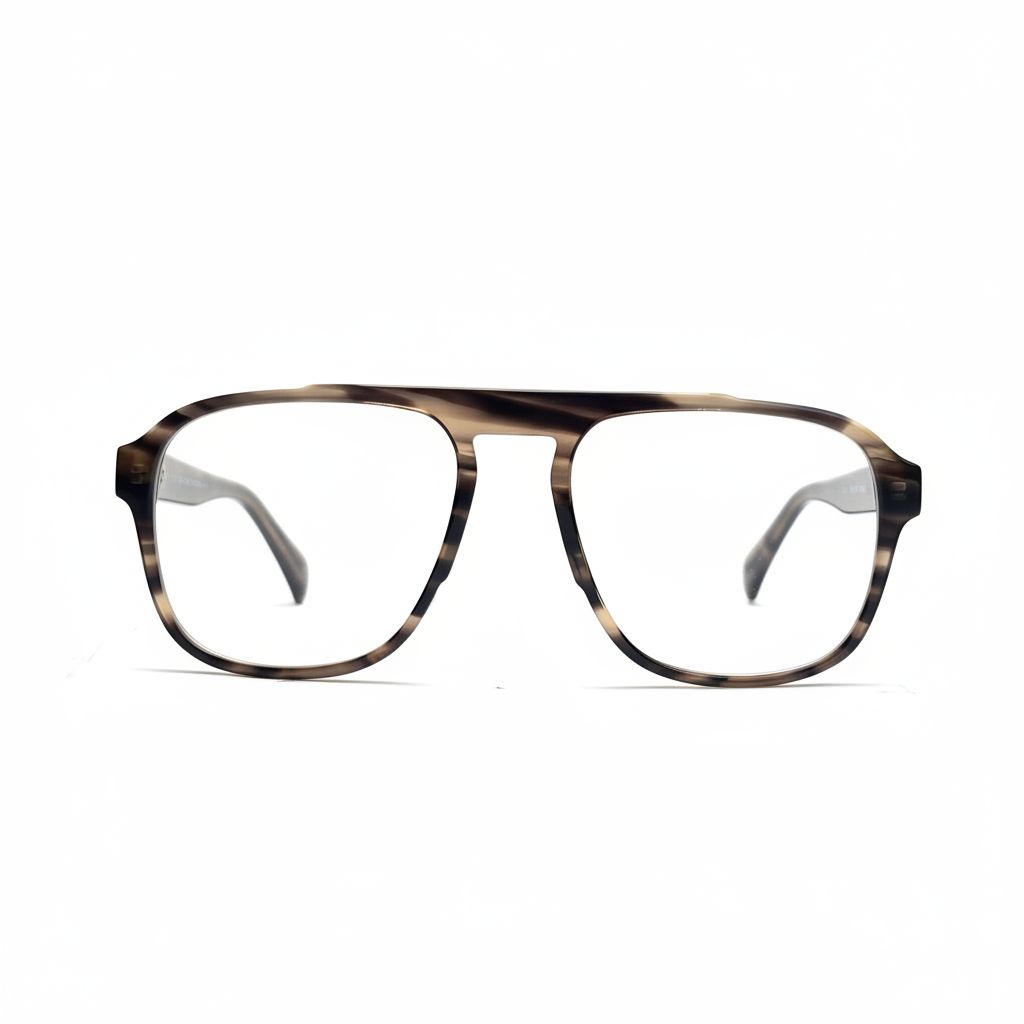
Acetate is derived from cellulose — primarily cotton and wood pulp — making it a more renewable and biodegradable material than petroleum-based plastics. While acetate production still involves chemical processes, its plant-based origin gives it a meaningfully lower environmental footprint than conventional synthetic frame materials. Our best-selling acetate frames represent this more responsible material choice.
Titanium: Durable and Long-Lasting
Titanium is not a renewable material, but its extraordinary durability makes it one of the more sustainable metal choices in eyewear. A titanium frame that lasts 10 to 15 years with minimal maintenance represents a far better environmental outcome than repeated replacement of lower-quality alternatives. Explore our metal frames collection for premium titanium options.
Bio-Based and Recycled Materials
An emerging category of sustainable eyewear uses bio-acetate (made from higher proportions of natural materials), recycled ocean plastics, or reclaimed metals. These materials represent genuine innovation in sustainable eyewear manufacturing and are increasingly available in the premium segment.
What to Look for Beyond Materials
Manufacturing Transparency
Genuinely sustainable eyewear brands are transparent about where and how their frames are made. Look for brands that can speak clearly about their supply chain, manufacturing conditions, and quality control processes.
Repairability
Frames that can be repaired — with replaceable screws, adjustable components, and available spare parts — have a longer useful life than those designed for disposal. Premium frames from established manufacturers typically offer better repairability than fast-fashion eyewear.
Packaging
Sustainable eyewear brands increasingly use recycled or minimal packaging. While packaging is a smaller part of the overall footprint, it is a visible indicator of a brand's broader environmental commitment.
The Buy Less, Buy Better Approach
The most impactful sustainable eyewear decision is to invest in fewer, better pairs rather than accumulating multiple cheaper frames. A single pair of premium acetate or titanium frames, cared for properly, represents a more responsible choice than a wardrobe of disposable alternatives.
Browse our full collection or discover our latest arrivals for frames built to last.
Shop Responsibly at WEISS OPTIX
We curate frames for quality and longevity — because we believe the best eyewear is the kind you keep for years.