Why Sustainable Eyewear Matters in 2026
Eyewear is one of the most personal accessories we own. Most of us wear our glasses for ten or more hours a day, every day, for years. Yet the industry behind those frames has historically relied on petroleum-based plastics, short-lived trends, and disposable production models. As more shoppers ask where their products come from — and how long they will last — sustainable eyewear has moved from a niche concern to a mainstream expectation.
At WEISS OPTIX, sustainability is not a marketing sticker. It is a design decision that starts with the materials we choose and ends with the durability of the frame on your face. The longer a pair of glasses lasts, the fewer replacements you need, and the less waste ends up in landfill. That is the simplest form of sustainability: make something worth keeping.
Acetate: A Plant-Based Classic Done Right
When people search for eco-friendly glasses, acetate usually tops the list — and for good reason. High-quality cellulose acetate is derived from cotton and wood fibers rather than crude oil. It is biodegradable over time, hypoallergenic, and can be polished and repaired instead of thrown away.
Not all acetate is equal, though. Lower-grade versions use heavy plasticizers and cheap fillers that crack within months. WEISS OPTIX uses premium, hand-polished acetate in layers that hold depth and color without extra bulk. The result is a frame that feels substantial but never heavy, and that ages gracefully instead of peeling or warping.
Consider the Acker — a classic tortoiseshell cat-eye frame built from layered acetate with an artisanal amber pattern. It is the kind of piece you keep for years because the pattern only gets richer with wear, and the shape never feels dated.
Titanium: Buy Less by Buying Better
Durability is the other half of the sustainability equation. A frame that survives drops, heat, sweat, and daily bag-rummaging does not need to be replaced every season. Titanium is one of the strongest materials for its weight on the planet, and it resists corrosion without needing heavy coatings.
For anyone tired of frames that bend out of shape or lose their finish, titanium is a practical investment. It is also fully recyclable at end of life, which gives it a cleaner lifecycle than mixed-plastic frames that are hard to separate and reuse.
The Anders pairs a square titanium front with feather-light temples. It is designed for professionals who want a sharp silhouette without the constant readjustments that cheaper metal frames require.
Hybrid Frames: Balancing Tradition and Performance
Some of the most interesting sustainable eyewear right now combines the warmth of acetate with the strength of titanium. These hybrid frames use acetate for the front — where color and hand-feel matter most — and titanium for the temples, where flexibility and weight savings make the biggest difference.
This approach reduces overall material use while preserving the tactile quality people love about acetate. It also creates frames that are easier to adjust and less likely to snap at the stress points.
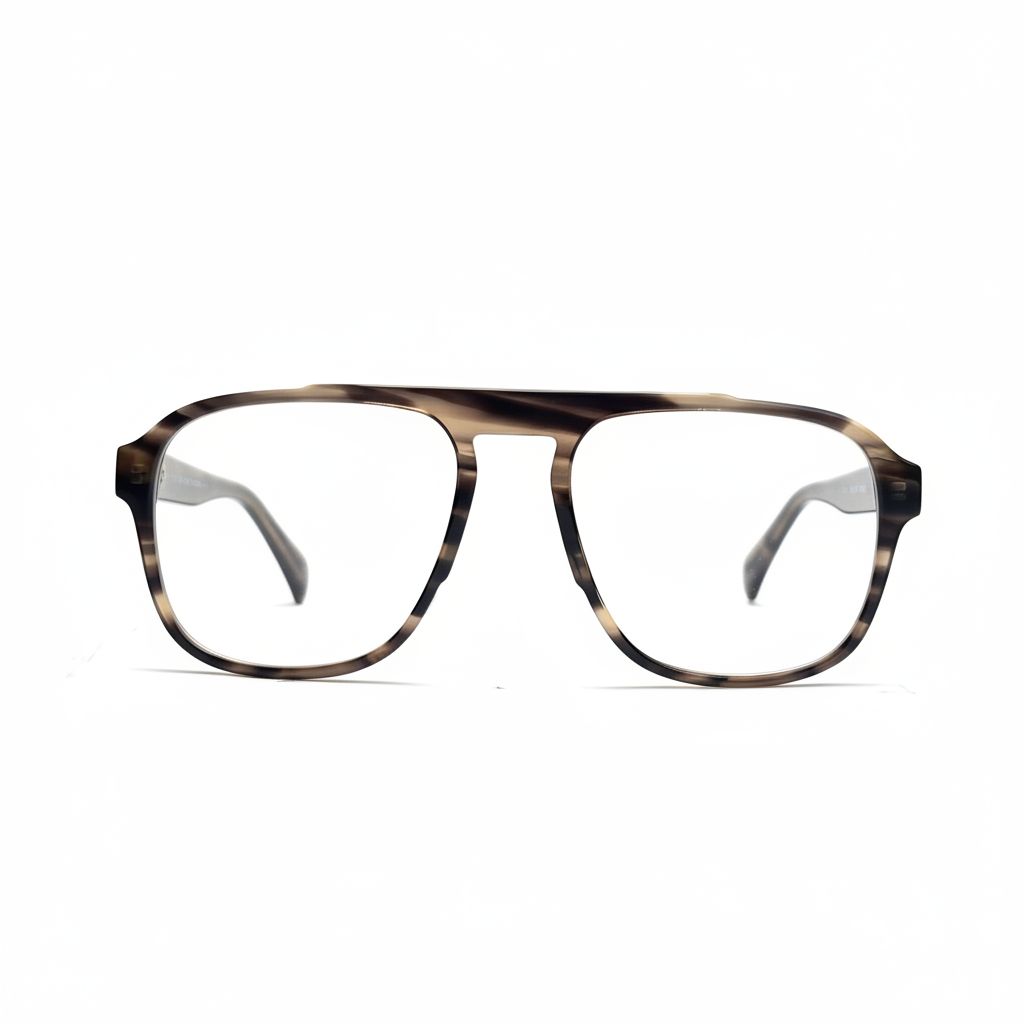
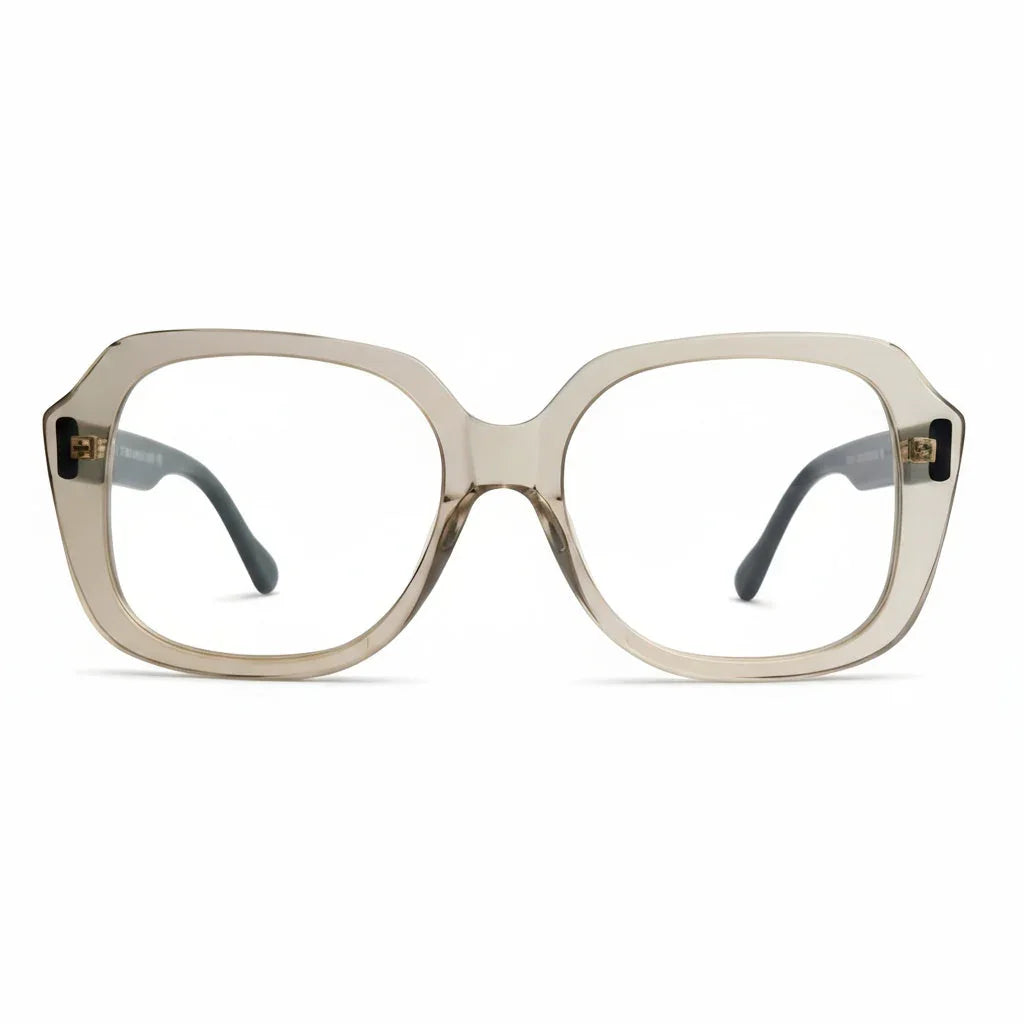
The Baptiste blends a bold acetate front with sleek metal temples for a retro-soft-square look that is both expressive and built to last. For a rounder take on the same idea, the Carsten uses a translucent acetate front with titanium construction to keep things light without losing character.
What Reddit Eyewear Enthusiasts Are Saying About Craftsmanship
Discussions in eyewear communities repeatedly surface two concerns: the frustration of frames that fall apart too quickly, and curiosity about how modern materials are developed. Posts about magnetic-lens sports eyewear, color-scheme development, and layered acetate fusion show that shoppers are paying closer attention to how frames are made, not just how they look.
That aligns with how WEISS OPTIX approaches design. Every frame is built around the idea that material choice and construction quality should be visible — in the polish of the acetate, the alignment of the hinges, and the weight distribution on your nose and ears.
How to Build a More Sustainable Eyewear Wardrobe
Switching to sustainable eyewear does not mean owning fewer stylish options. It means choosing frames that serve multiple purposes and hold up over time. A few practical tips:
- Prioritize timeless shapes. A well-made round, square, or cat-eye frame will outlast any micro-trend.
- Look for repairable materials. Acetate can be polished and adjusted; titanium can be bent back into shape by a skilled optician.
- Choose versatile lenses. Blue-light filtering, photochromic, or prescription sun lenses can turn one frame into your daily driver.
- Buy from brands that publish details. Generic “eco” claims mean less than specific information about materials and construction.
The Bottom Line
Sustainable eyewear is about more than recycled packaging. It starts with choosing materials like premium acetate and titanium, designing for longevity, and building frames that people actually want to wear for years. Whether you gravitate toward the artisanal depth of acetate or the technical durability of titanium, the most sustainable pair is the one you will not need to replace.
Explore the full WEISS OPTIX collection and find a frame that fits your face, your prescription, and your values.