If you need correction for both distance and near vision, you have two main options: progressive lenses or bifocals. Both solve the same fundamental problem — presbyopia, the age-related loss of near-focusing ability that typically begins in the mid-40s — but they do so in very different ways. Understanding the differences will help you make the right choice for your vision needs, lifestyle, and preferences.
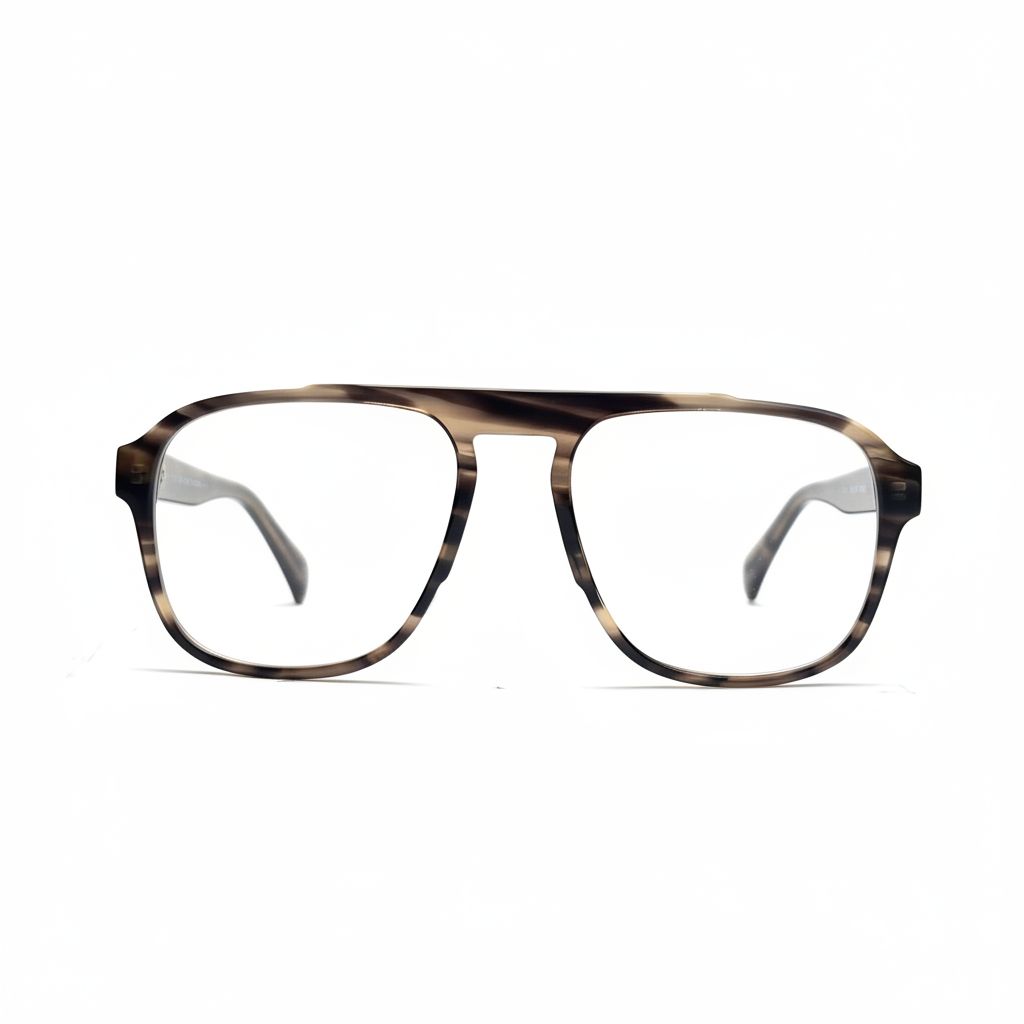
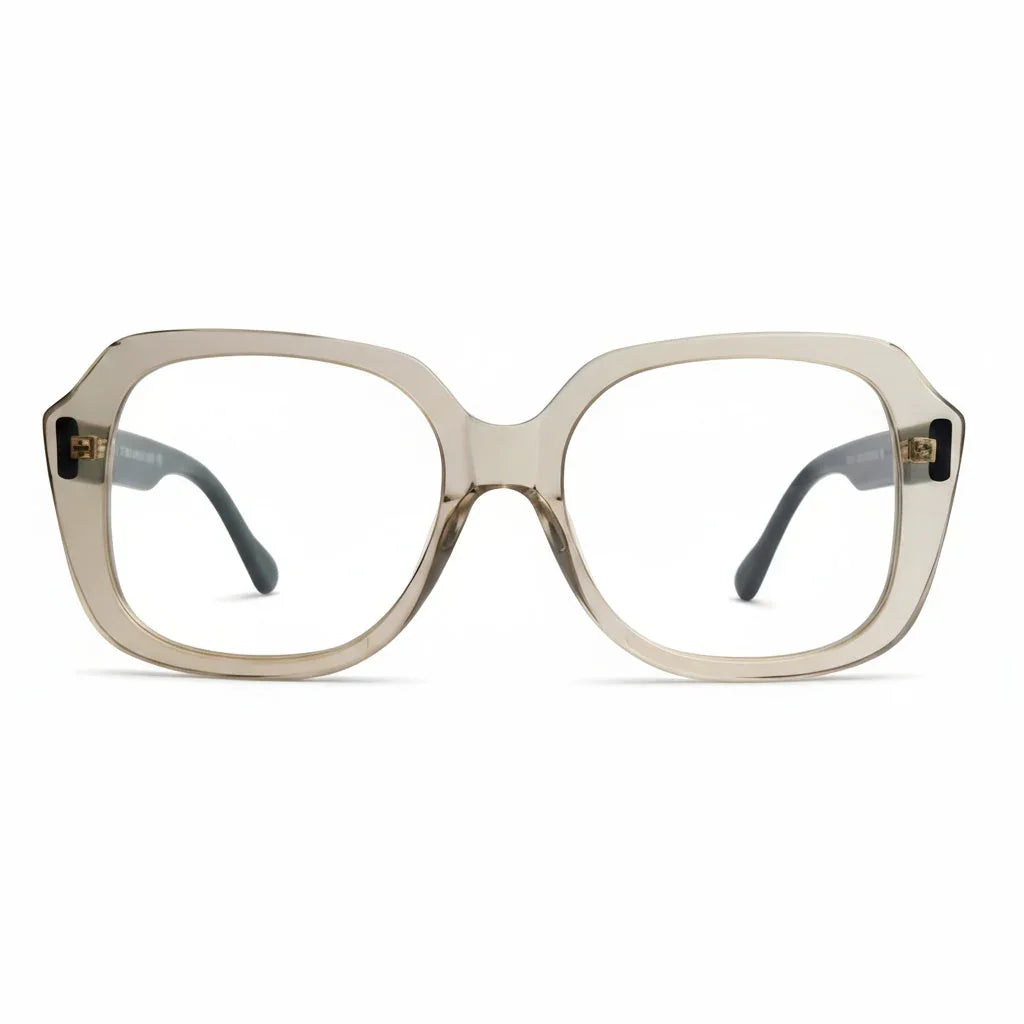
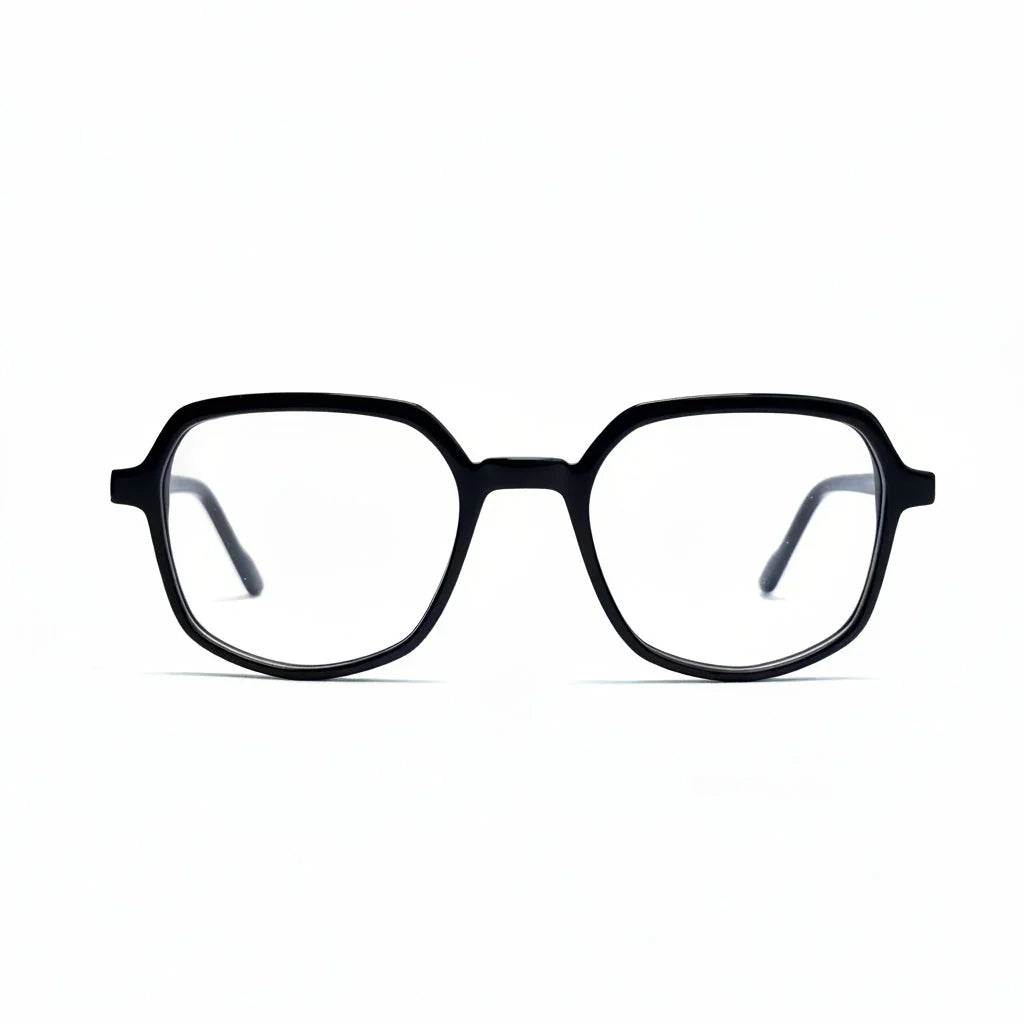
Whatever lenses you choose, the right frame makes all the difference. Explore our full eyewear collection for premium frames suited to both progressive and bifocal lenses.
What Is Presbyopia?
Presbyopia is the gradual loss of the eye's ability to focus on close objects. It's caused by the natural hardening of the eye's crystalline lens with age, reducing its flexibility. Presbyopia affects virtually everyone, typically becoming noticeable in the early-to-mid 40s and progressing through the 50s and 60s.
Symptoms include difficulty reading small print, needing to hold reading material further away, eye strain when doing close work, and headaches after prolonged near-vision tasks. If you're experiencing these symptoms, an eye examination will confirm whether presbyopia is the cause and what prescription you need.
Bifocal Lenses: The Traditional Solution
How Bifocals Work
Bifocal lenses have two distinct optical zones separated by a visible line. The upper portion of the lens corrects distance vision; the lower portion — typically a small segment — corrects near vision. When you look straight ahead, you see through the distance zone; when you look down to read, you look through the near zone.
Advantages of Bifocals
- Clear, distinct zones: The separation between distance and near zones is clear and unambiguous. There's no gradual transition to navigate.
- Easier adaptation: Most wearers adapt to bifocals more quickly than to progressive lenses.
- More affordable: Bifocal lenses are generally less expensive than progressive lenses.
- Wide reading zone: The near segment provides a wide, clear reading area.
Disadvantages of Bifocals
- Visible line: The dividing line between zones is visible to others and can be aesthetically undesirable.
- No intermediate vision: Bifocals correct distance and near vision but not intermediate distances (typically 60–100cm) — the distance at which computer screens are typically viewed. This is a significant limitation for screen workers.
- Image jump: Moving your gaze across the dividing line can cause a sudden jump in the image, which some wearers find disorienting.
Progressive Lenses: The Modern Solution
How Progressives Work
Progressive lenses provide a seamless, gradual transition from distance correction at the top of the lens through intermediate correction in the middle to near correction at the bottom. There's no visible line — the power changes continuously across the lens surface.
Advantages of Progressives
- No visible line: Progressive lenses look identical to single-vision lenses — there's no visible dividing line.
- Full range of vision: Progressives correct distance, intermediate, and near vision — providing clear sight at all distances.
- More natural vision: The gradual transition between zones more closely mimics natural vision than the abrupt jump of bifocals.
- Ideal for screen use: The intermediate zone makes progressives far superior to bifocals for computer and screen work.
Disadvantages of Progressives
- Adaptation period: Most new wearers need 1–2 weeks to adapt to progressive lenses. During this period, peripheral distortion and the need to move the head (rather than just the eyes) to find clear zones can be disorienting.
- Peripheral distortion: The edges of progressive lenses have unavoidable distortion due to the power gradient. High-quality progressive designs minimise this, but it cannot be eliminated entirely.
- More expensive: Progressive lenses are more expensive than bifocals, particularly premium designs with wider clear zones and less peripheral distortion.
- Narrower reading zone: The near zone in progressive lenses is narrower than in bifocals, which some wearers find limiting for extended reading.
Which Is Right for You?
The right choice depends on your lifestyle, visual needs, and priorities:
Choose progressive lenses if: You use a computer or screen regularly (the intermediate zone is essential for screen work), you prefer a lens with no visible line, you want correction across all distances, or you're willing to invest in an adaptation period for superior long-term vision.
Choose bifocals if: Your primary near-vision need is reading rather than screen work, you want a faster adaptation period, budget is a significant consideration, or you've tried progressives and found the adaptation too difficult.
Frame Considerations for Progressive and Bifocal Lenses
Both progressive and bifocal lenses have specific frame requirements:
- Lens height: Progressive lenses require a minimum lens height (typically 28–30mm) to accommodate all three vision zones. Very shallow frames may not provide sufficient space for a functional progressive lens.
- Frame stability: Both lens types require frames that sit consistently in the same position. Frames that slide or tilt will shift the optical zones out of alignment, reducing clarity.
- Fitting height: The fitting height — the position of the pupil within the lens — must be precisely measured for both progressive and bifocal lenses. This measurement is taken with the frames on your face.
Our Metal Frames collection features lightweight titanium frames with excellent stability and appropriate lens heights for progressive lenses — ideal for those making the transition to multifocal correction.
The Bottom Line
For most active adults in 2026 — particularly those who use screens regularly — progressive lenses are the superior choice. The seamless appearance, full range of vision correction, and intermediate zone for screen work make them the more versatile and modern solution. Bifocals remain a valid choice for those who primarily need reading correction and prefer a faster adaptation period.
Whichever you choose, the quality of both the lenses and the frames matters significantly. Browse our Best Selling frames or explore the full WEISS OPTIX collection for premium frames that work beautifully with both progressive and bifocal lenses.