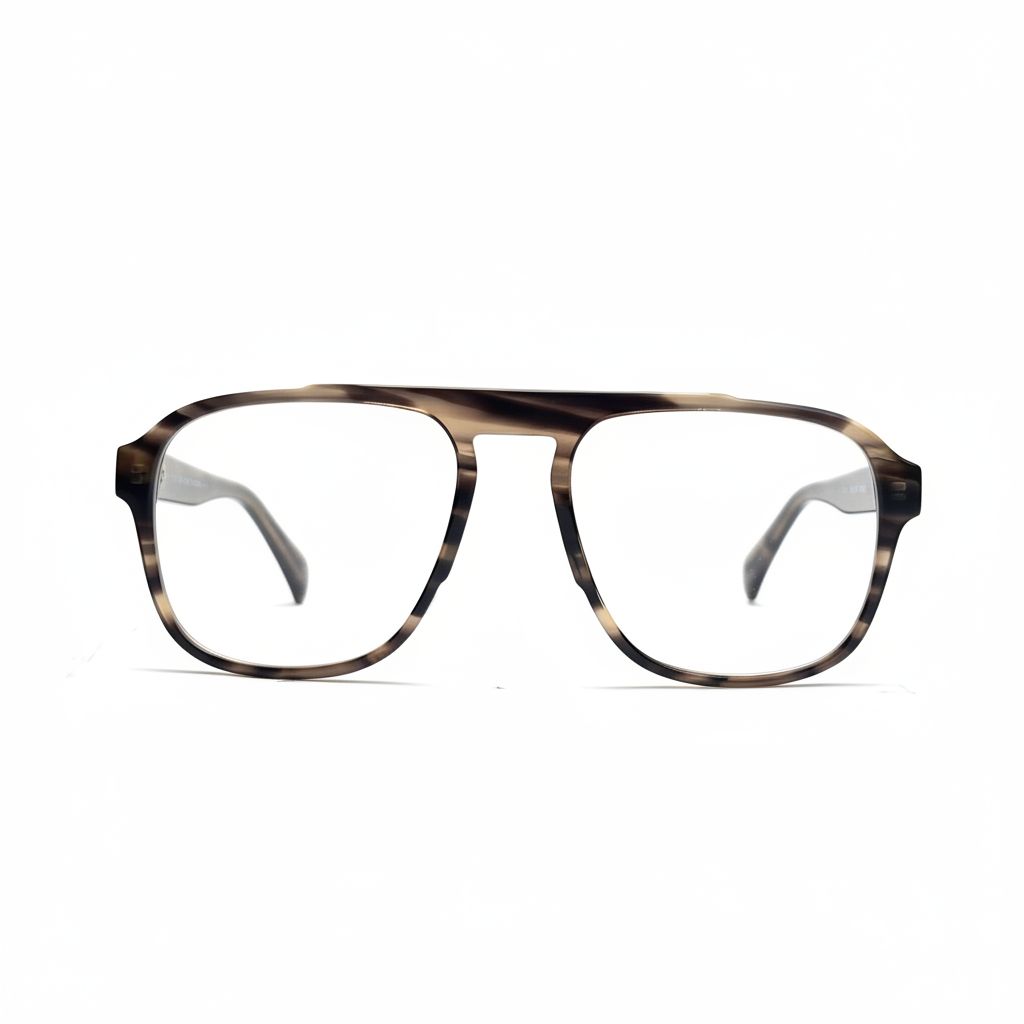
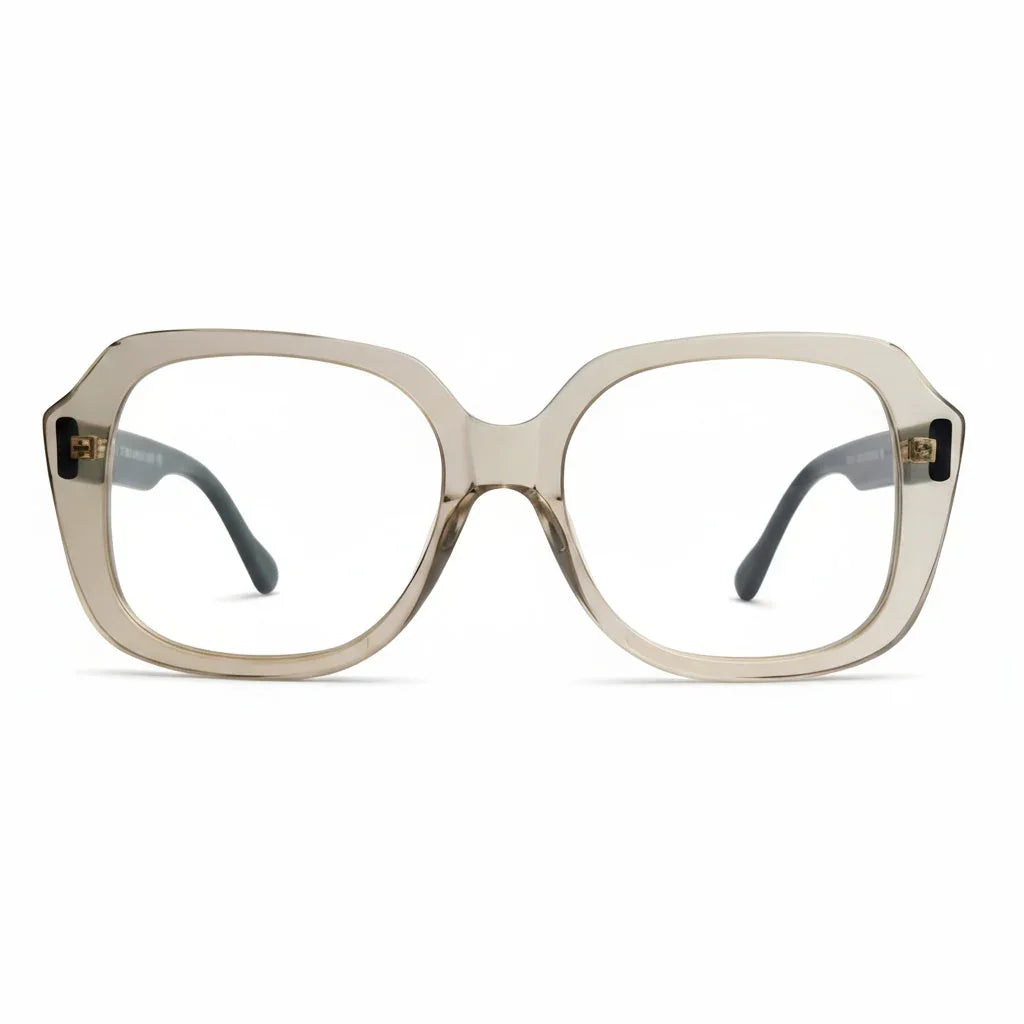
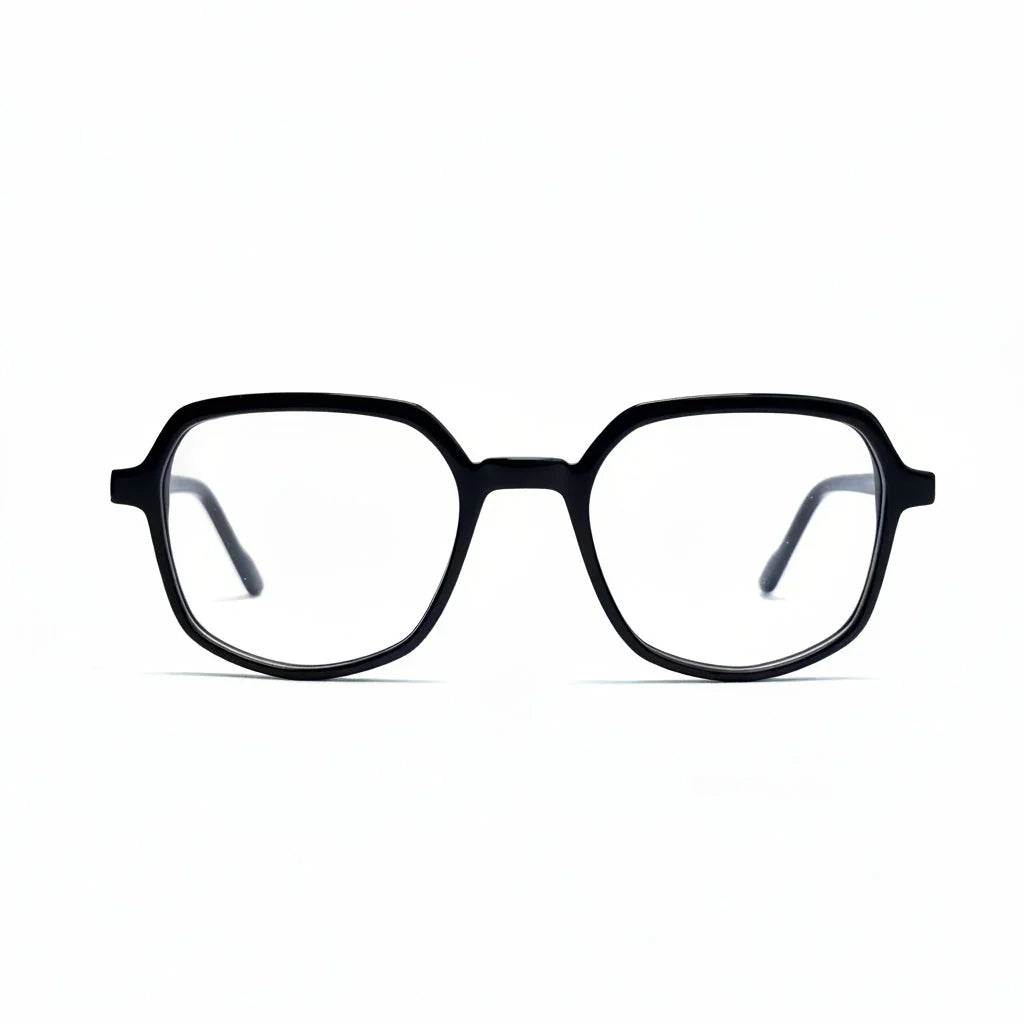
The bridge of your glasses — the part that rests on your nose — is the most critical fit element of any frame. Get it right, and your glasses sit perfectly, stay in place, and feel comfortable all day. Get it wrong, and you'll spend the day pushing your glasses up, dealing with red marks on your nose, or experiencing discomfort that makes wearing glasses a chore. Here's everything you need to know about finding the right bridge fit.
Browse our full eyewear collection for frames available in a range of bridge widths and styles — including options specifically suited to low and high nose bridges.
Why Bridge Fit Matters
The bridge supports the majority of your glasses' weight. A correctly fitted bridge distributes this weight evenly across the nose without pinching, leaving marks, or causing discomfort. It also keeps the lenses correctly positioned in front of your eyes — essential for optical clarity, particularly with progressive or high-prescription lenses where lens positioning is critical.
A poorly fitted bridge causes a cascade of problems: glasses that slide down the nose, uneven lens positioning, pressure marks, skin irritation, and the constant distraction of adjusting your frames throughout the day.
Understanding Bridge Measurements
Bridge width is measured in millimetres and refers to the distance between the two lenses at the narrowest point of the bridge. This measurement is always included in the frame size printed on the temple of your glasses, typically in the format: lens width – bridge width – temple length (e.g., 52–18–140).
The bridge width should match the width of your nose at the point where the glasses rest. However, bridge width alone doesn't tell the whole story — bridge height, shape, and nose pad design all affect how a frame fits your nose.
Types of Nose Bridges
Fixed Acetate Bridge
Many acetate frames have a fixed bridge — a solid piece of acetate that cannot be adjusted. The fit is determined entirely by the bridge width and shape. Fixed bridges work well for those whose nose shape matches the frame's bridge design, but offer no adjustment for those who don't.
Adjustable Nose Pads
Metal frames typically feature adjustable silicone or metal nose pads on thin arms that can be bent to precisely fit your nose. This adjustability makes metal frames significantly more versatile for different nose shapes and heights. Our Metal Frames collection features titanium frames with adjustable nose pads that can be precisely fitted to your nose shape.
Saddle Bridge
A saddle bridge curves continuously across the nose without separate nose pads, distributing weight across a wider area. Saddle bridges are common in round and vintage-inspired frames and work well for those with a medium-height nose bridge.
Common Bridge Fit Problems and Solutions
Glasses Slide Down the Nose
This is the most common bridge fit complaint. Causes include a bridge that's too wide, nose pads that are too far apart, or a bridge that sits too high on the nose. Solutions include having nose pads adjusted inward by an optician, choosing a frame with a narrower bridge, or selecting frames with adjustable nose pads that can be precisely positioned.
Red Marks or Pressure Points
Red marks on the sides of the nose indicate that the bridge is too narrow or the nose pads are pressing too hard. Have nose pads adjusted outward, or choose a frame with a wider bridge. Silicone nose pads are softer and less likely to cause pressure marks than hard plastic or metal pads.
Glasses Sit Too High or Too Low
If your glasses sit too high, the bridge is too narrow and the frame is riding up on your nose. If they sit too low, the bridge is too wide. Both affect lens positioning and optical clarity. A professional fitting adjustment can often correct minor positioning issues; significant mismatches require a different frame.
Bridge Fit for Low Nose Bridges
A low or flat nose bridge — common in many East Asian, Southeast Asian, and African face shapes — presents specific fitting challenges. Standard frames designed for higher nose bridges will sit too low, causing the lenses to rest on the cheeks and the frame to slide constantly.
Solutions for low nose bridges include:
- Frames with adjustable nose pads: Metal frames with adjustable pads can be positioned to sit correctly on a lower bridge
- Frames specifically designed for low nose bridges: Some frames are designed with a lower, flatter bridge profile that suits low nose bridges without modification
- Keyhole bridges: The keyhole bridge shape — which dips down between the lenses — can work well for some low nose bridge shapes
Getting a Professional Fitting
While understanding bridge fit helps you make better initial choices, a professional fitting by a trained optician is the most reliable way to ensure your glasses fit correctly. An optician can adjust nose pads, bend temples, and make precise modifications that transform an almost-right fit into a perfect one.
If your current glasses don't fit as well as they should, visit an optician for a fitting adjustment before assuming you need new frames. Many fit issues can be resolved with minor adjustments at no cost.
Explore our Metal Frames for adjustable nose pad options, browse our Clear Frames for lightweight acetate styles, or discover the full WEISS OPTIX collection to find frames that fit your nose bridge perfectly.