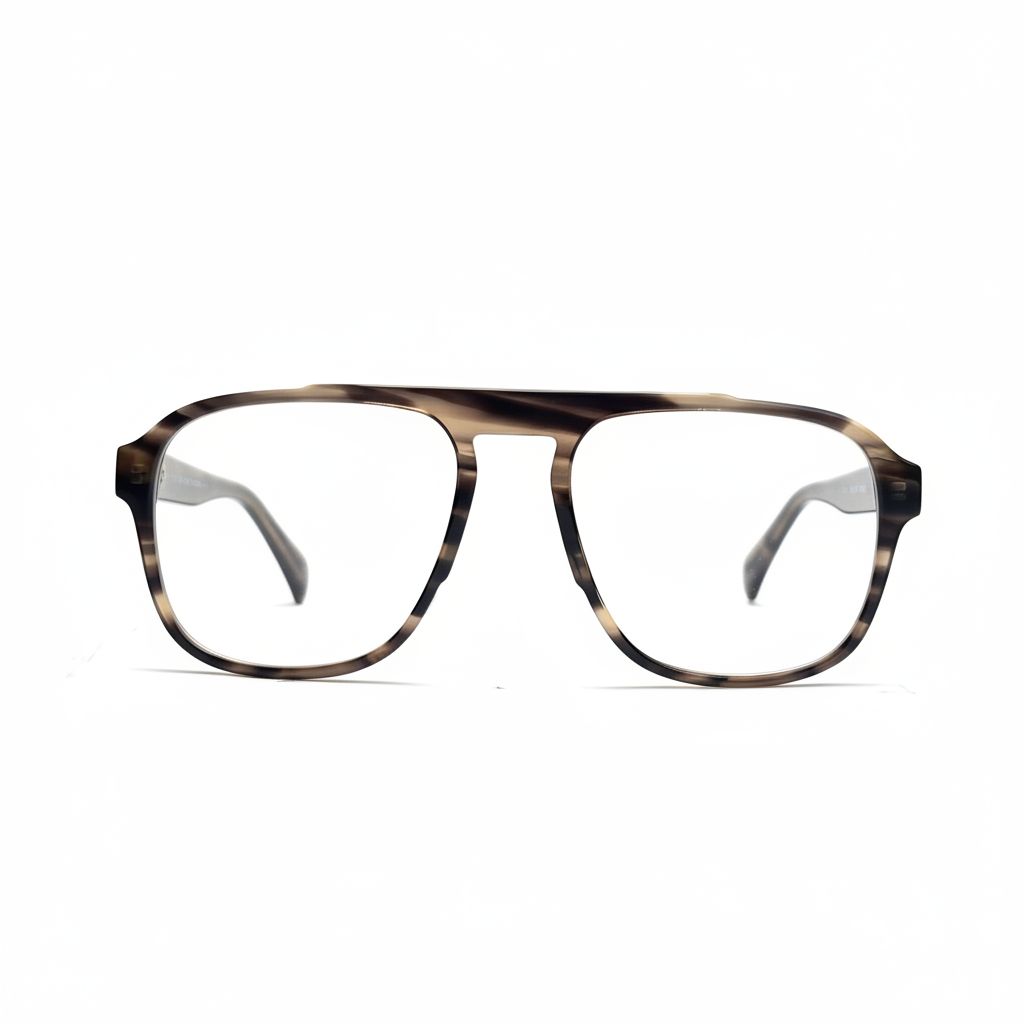
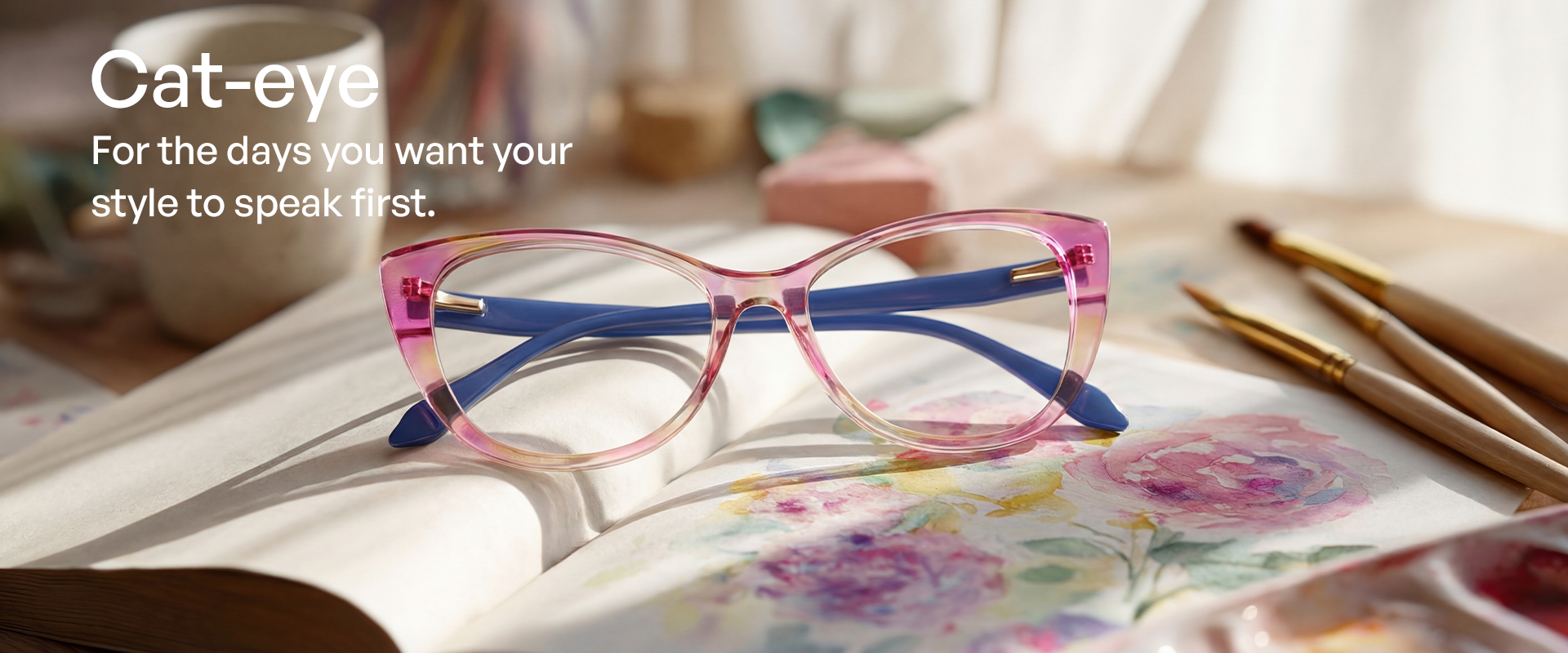
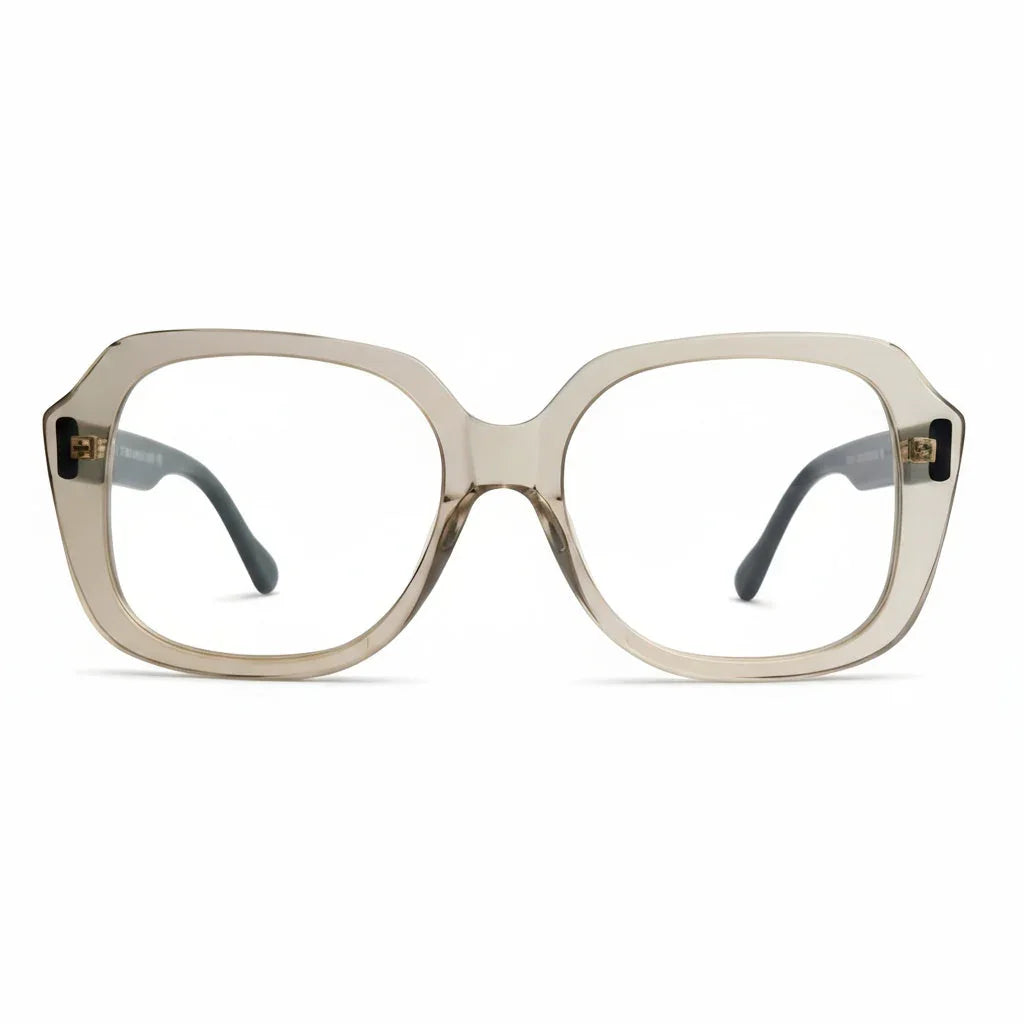
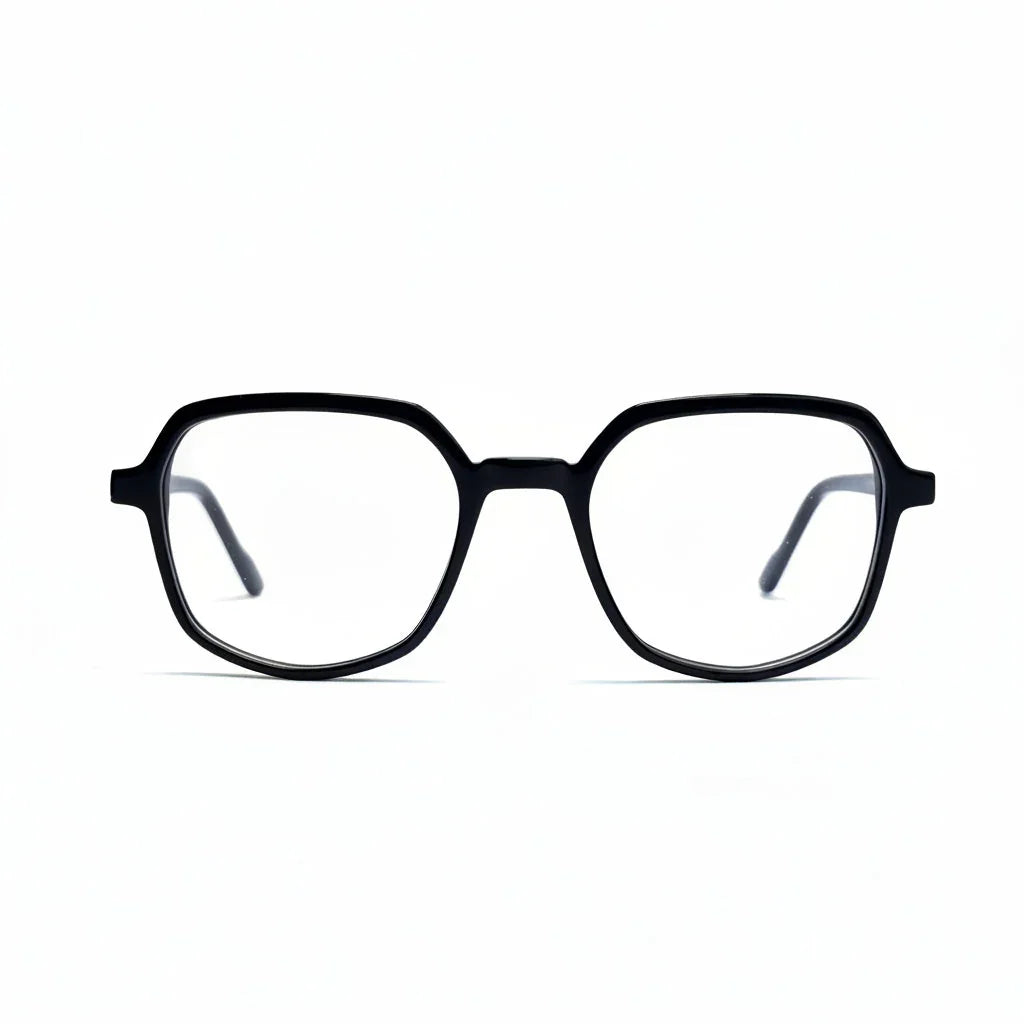
Most people choose glasses in isolation: they like the shape in the mirror, take it home — and then wonder why the frame feels borrowed once it meets their actual wardrobe. Glasses are the accessory you wear every day, and they deserve the same thinking you give a coat.
That is the whole idea behind glasses fashion 2026: fewer trend-chasing purchases, more frames chosen to work with the clothes already in your closet. One wearer on r/glasses put it plainly: she had worn the same oversized pair for years and only realised they felt dated when someone called them boring. She did not need a new personality — she needed a frame that matched the person she had become.
Start With Colour Temperature, Not the Trend
Before shape or brand, work out which side of the colour wheel you dress from. Look at the jewellery you reach for and the neutrals in your closet.
- Warm — gold or bronze jewellery, cream, camel, olive, rust, chocolate brown. Warm frames include tortoiseshell, honey, amber, russet and brushed gold-toned metal.
- Cool — silver jewellery, black, grey, navy, crisp white. Cool frames include black, crystal and clear, grey, deep navy, and silver or gunmetal metal.
- Neutral — if you genuinely mix both, keep frames in the middle: two-tone acetate, satin titanium, or a warm tortoiseshell with a silver temple.
The quickest test is the jewellery you already reach for. Gold rings and gold earrings? A gold-toned or tortoiseshell frame will look like it belongs to you. All silver? A silver or ash-grey frame does the same job.
Consider the Acker tortoiseshell cat-eye acetate — the layered tortoise pattern carries both warm and neutral tones, so it sits easily against camel, cream, olive and denim alike.
Three Ways to Pair Frames With an Outfit
1. Match the family
Keep the frame in the same temperature as the outfit: warm acetate with a camel knit, black acetate with a black roll-neck. This is the most polished of the three approaches, and it is what most stylists reach for in portraits.
2. Contrast the frame
A dark frame across a light outfit reads as a deliberate line; a light frame against a dark outfit recedes and lets your face and clothes do the talking. Reddit's most repeated frame question — light or dark? — really means: do I want the frame to be the subject, or the support?
3. Use one neutral anchor
If you don't want to think about it every morning, keep one matte, mid-toned frame as your everyday pair — satin titanium or a quiet brown acetate — and let a second, more expressive frame handle weekends and evenings.
Metal Tones and the Jewellery You Already Wear
Hardware matters more than people expect: a polished silver temple next to gold earrings can look like a mistake, and a satin finish next to polished jewellery can look under-finished. Two rules make it easy:
- Keep the metal tone consistent with the jewellery you wear most of the day.
- Match finish to finish — polished with polished, brushed with brushed — when the frame and the jewellery sit close together.
On r/glasses, the most-loved "new frame" posts are rarely about logos. They are about one small detail: a copper highlight on the temple, a warm bronze bridge. That is the whole game at this level.
Consider the Colin titanium-mix square — a mixed-material build where a metal front and acetate detailing give you both a warm accent and an understated everyday finish.
Dressing for the Occasion: Desk, Weekend, Evening
- Desk — slim profiles read as considered rather than loud. A thin titanium frame in a satin finish settles into a work outfit.
- Weekend — this is where acetate earns its keep: warmer colour, softer edges, more visual weight against denim, canvas and knitwear.
- Evening — fewer, cleaner elements. One dark acetate note or one polished metal note, not both.
Consider the Arno titanium square for office days — thin, satin-finished and quiet enough to sit under a blazer without competing with it. On the other side of the week, the Egon premium acetate round brings the warmth and visual weight that casual outfits respond to.
Are Round Glasses Modern in 2026?
Yes — and they are arguably the easiest shape to style right now, precisely because they stopped being a trend and became a staple. Three rules keep round frames looking current:
- Proportion over width. A round frame should roughly echo the widest part of your face, not extend past it.
- Keep the rest of the look clean. Round acetate with a busy print is a lot. Round acetate with a plain tee and a jacket is sharp.
- Choose material for mood. Acetate round frames feel retro and warm; thin metal round frames read minimal and modern.
The One-Statement Rule
Bold shape or bold colour, rarely both. The recurring r/glasses thread — someone who bought a deep burgundy pair and immediately wanted to return them — is usually not a colour failure. It is a context failure: the frame looked different in the shop than it does against a wardrobe of grey and blue.
If a strong colour draws you in, buy it as a second pair and wear it with deliberately plain outfits for the first month. As an only pair, keep the shape classic and let the colour carry the interest.
Proportion Over Novelty: Trends for a Settled Wardrobe
The 2026 eyeglasses trends for women over 50 that actually stick are less about following a season and more about proportion: slightly slimmer profiles than five years ago, warmer metals, and one considered colour instead of three competing details.
Frame Materials as a Style Choice
The acetate vs titanium glasses question sounds technical, but as a style decision it is simple: acetate gives you colour, depth and visual weight; titanium gives you a thin, precise line and a satin or polished finish. Hybrid builds — an acetate front with titanium temples — let you choose both in one frame.
One clarification that comes up constantly in search: polycarbonate vs acetate frames is not really a comparison at all. Acetate is a frame material you pick for how it looks and feels. Polycarbonate is a lens material you pick when a lens needs to be thin and impact-resistant. They live in different parts of the same pair of glasses.
Weekends, Sunlight and One More Pair
If your everyday frame is built for structured, indoor dressing, a sunglass shape brings the same styling logic — same colour-temperature rule, same one-statement discipline, just more contrast.
Consider the Breezy round acetate sunglasses — a round acetate shape that pairs naturally with denim and knitwear and gives a warm-palette wardrobe a seasonal second option.
A Five-Point Frame-and-Outfit Check
Before you buy, run through this in the mirror:
- Does the frame temperature match the jewellery you wear most?
- Does it work with your three most-worn outfits?
- Is there exactly one statement element — shape or colour?
- Does the finish match the metal you already wear?
- Would you wear it with at least five things you already own?
Five yeses and you have a frame, not a gamble. Anything less, and you have a second pair waiting to happen — which is fine too, as long as you know that is what you are buying.