This Week in Eyewear: The Posts Everyone Was Arguing About
Every week, glasses wearers flood online communities with the same three anxieties — and this week was no exception. A new owner stared at their mirror wondering whether the golden bridge across their nose was crooked or whether they were "nitpicking." Another wearer asked the question that store staff get daily: "My nose seems wider than the nose bridge of this frame — is there really no way to adjust it?" And a third posted a photo of brand-new burgundy frames with the caption, "I feel like I made a terrible mistake." Eyewear enthusiasts on Reddit have been discussing fit, adjustability, and color regret all week, and the conversation holds real lessons for anyone shopping for new glasses right now.
Here's our weekly roundup of what real wearers are asking — and how to avoid ending up in the same situation.
The Crooked-Bridge Panic: When Is a Fit Actually Wrong?
The first viral worry of the week came from someone who tried on glasses in-store, thought everything was fine, then photographed them at home and fixated on an uneven-looking bridge. Their question — "is this noticeable enough to ask for a repair, or am I overreacting?" — drew a familiar split in the replies.
Here's the honest answer: most "crooked" bridges are actually crooked noses. Faces are asymmetric. If your glasses sit evenly in the mirror but look tilted in a phone photo taken at an angle, that's usually lens distortion and facial asymmetry, not a defect. Two quick checks separate real problems from nitpicking:
- The flat-surface test: place the glasses upside down on a table. If both temples and the bridge touch evenly, the frame is true — the tilt you see on your face comes from fit, not the frame.
- The distance test: have someone photograph you straight-on from two meters away. Extreme close-up photos exaggerate every millimeter.
If the frame itself is genuinely uneven, any optician can bend a metal or wire bridge back into alignment in seconds. That's why frame material matters so much here — which brings us to the second big discussion of the week.
"Can This Frame Be Adjusted?" — What Can and Can't Be Fixed
The second question of the week was more frustrating: a wearer whose nose was wider than the bridge of their new frame was told "there's no way to adjust this." As the comment section correctly pointed out, that's only half true — and it depends almost entirely on the frame construction.
This is where the classic acetate vs polycarbonate debate becomes practical rather than academic. Molded polycarbonate frames have fixed bridges: what comes out of the mold is what you get. Injection-molded acetate can be gently heat-adjusted by an optician, but repeatedly bending it stresses the material. Titanium and wire-frame constructions are the real problem-solvers — adjustable nose pads can be spread, narrowed, or repositioned infinitely, cold, without heat, to fit a wider or narrower nose bridge. If fit worries you, prioritize frames with adjustable nose pads over fixed one-piece bridges.
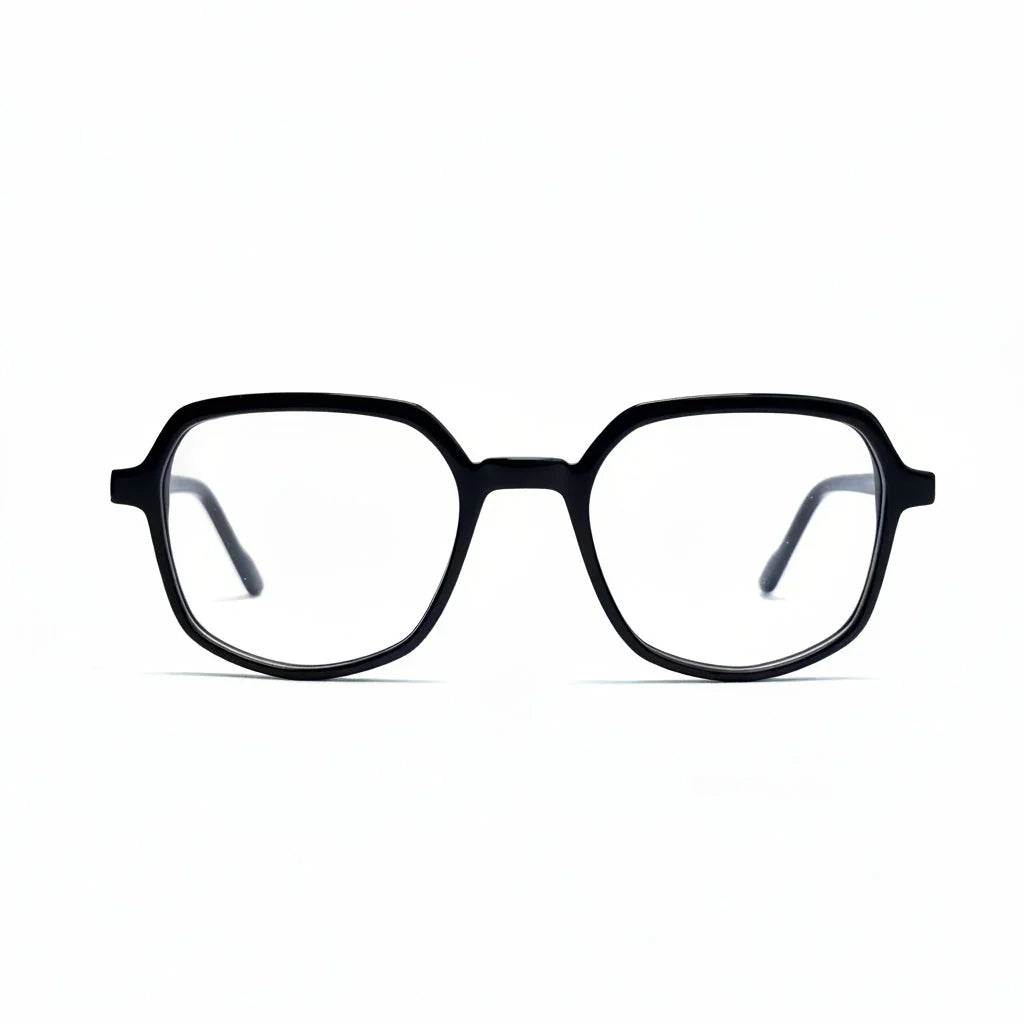
Consider the Cecilia — Square Titanium Wire — its titanium wire construction with adjustable nose pads is exactly the kind of frame that can be tuned to your nose bridge, not the other way around.
The Anton — Titanium Mix Square takes the same philosophy further, pairing a lightweight titanium build with a square silhouette that suits most face shapes while staying endlessly adjustable.
For a slightly dressier take, the Andreau — Titanium Semi-Rimless keeps weight low and adjustability high, making it a strong pick if you've ever been told a frame "can't be fitted" to your face.
Color Regret Is Real: How to Choose a Frame Color You Won't Second-Guess
The third recurring theme of the week was pure emotion: the new burgundy frames that suddenly felt like "a terrible mistake." Color regret is one of the most common post-purchase experiences in eyewear — you love a shade in good store lighting, then it clashes with your wardrobe under daylight.
A few field-tested rules from the discussion:
- Match the frame to your wardrobe, not your mood. Hold potential frames up next to the three colors you wear most. If it works with all three, you'll reach for it daily.
- Tortoiseshell and warm neutrals are the safety net. They read as "color" from a distance but behave like neutrals up close.
- Buy the statement color in a shape you already know works. New shape + new color at the same time is how regret happens.
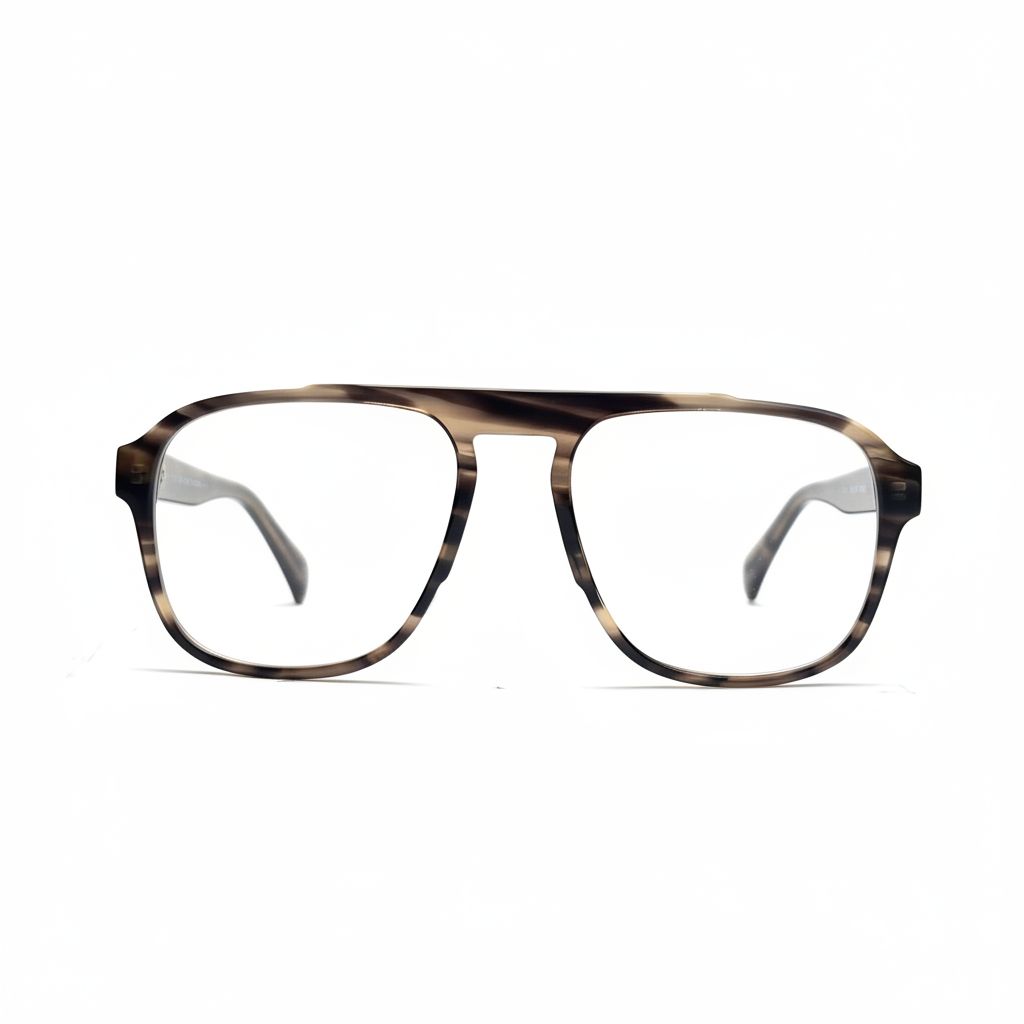
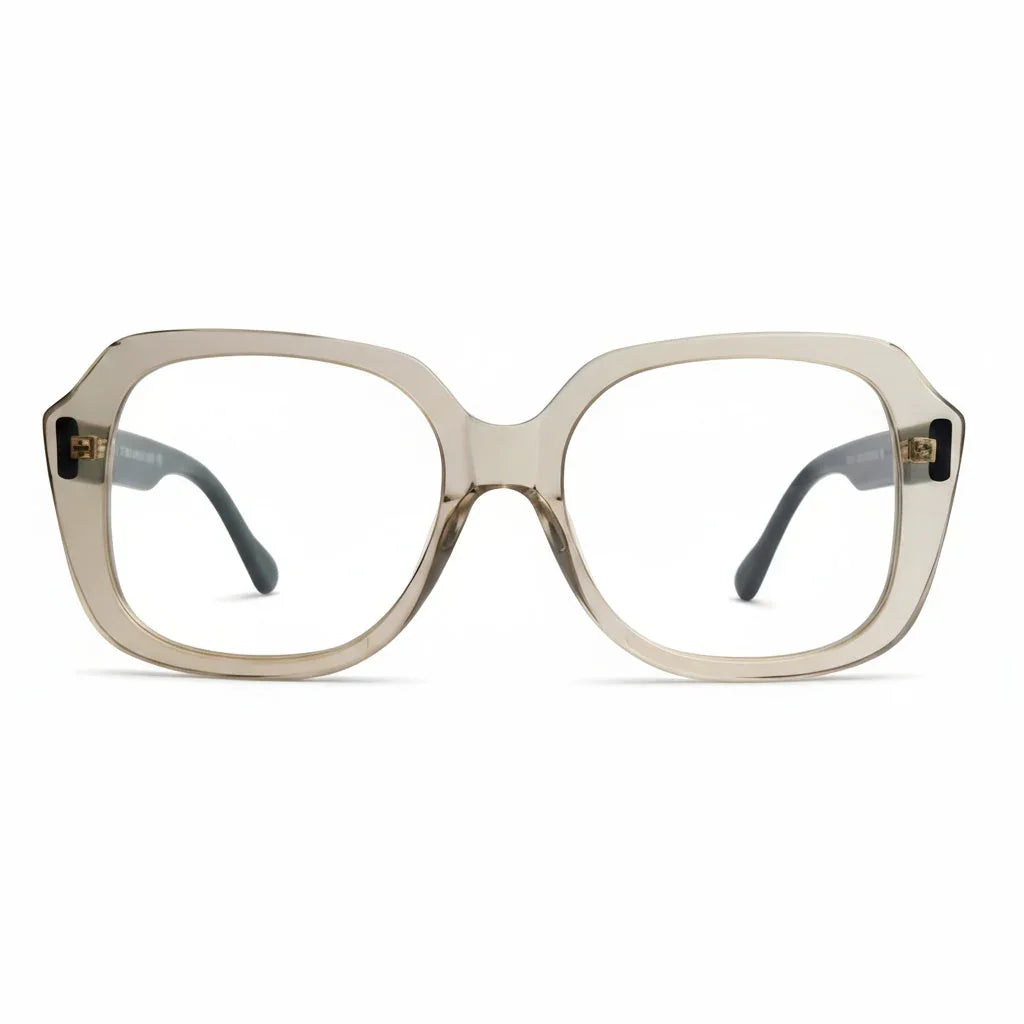
The Dag — Round Acetate is a perfect example of a confident-but-wearable color choice: a soft round acetate frame that adds warmth without demanding attention.
If bolder is more your speed, the Eamon — Square Acetate delivers a deeper color payoff in a structured square shape, with high-quality acetate that keeps its depth and finish for years.
The Weekly Takeaway
If this week's discussions prove anything, it's that glasses-buying anxiety usually comes down to three fixable things: fit that can be adjusted, materials that can (or can't) be tuned, and color choices made without a system. Choose adjustable titanium constructions when fit worries you, understand the acetate vs polycarbonate trade-off before you buy, and test frame colors against your actual wardrobe — and you'll skip the late-night "did I make a mistake?" posts entirely.
Browse the full WEISS OPTIX collection to find frames built to be adjusted, not just worn.