News


Spring 2026 Eyewear Trends: From Milan to America
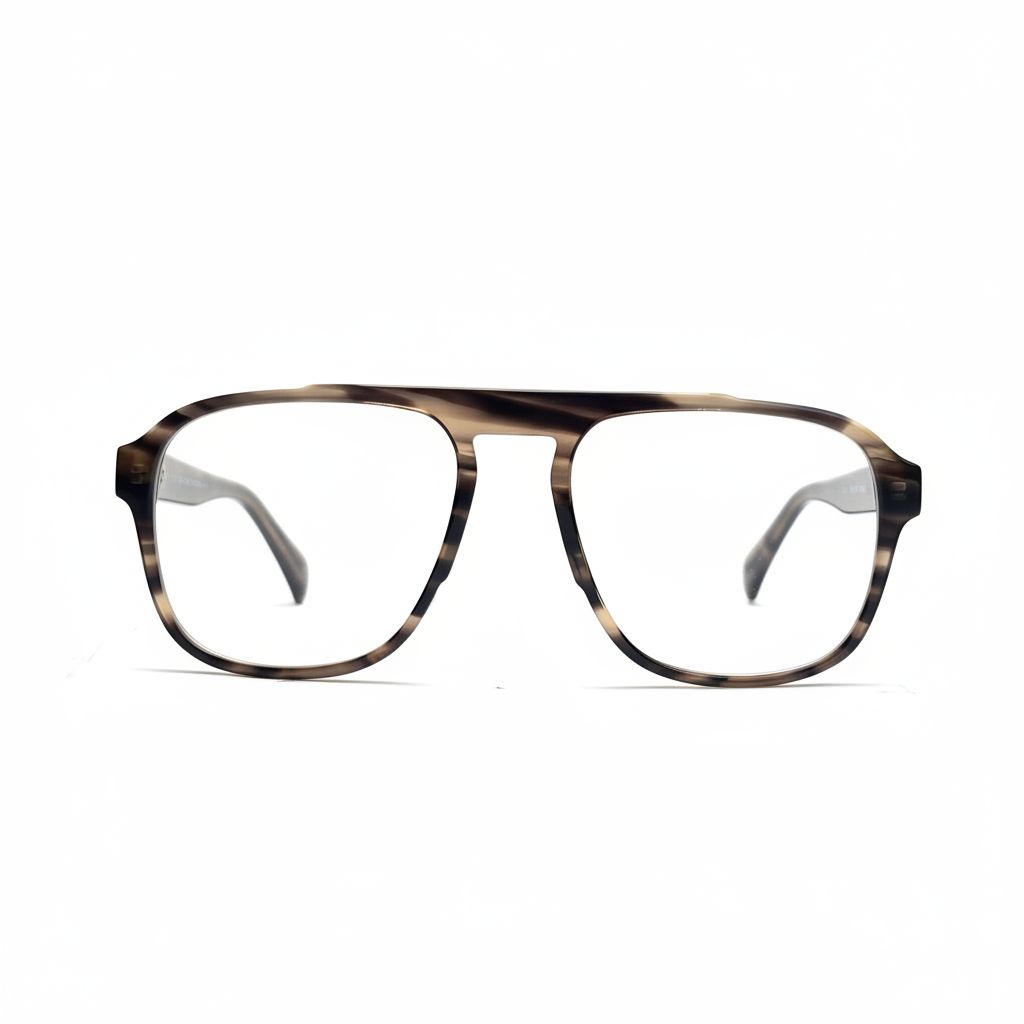
As the fashion capitals unveil their Spring 2026 collections, eyewear has emerged as the defining accessory of the season. From the runways of Milan to the streets of New York and Los Angeles, we're seeing a fascinating blend of timeless elegance and bold innovation. Here's your complete guide to the eyewear trends that are shaping Spring 2026. 1. The Return of Oversized Frames Oversized frames are making a powerful comeback this spring, but with a refined, architectural twist. Unlike the bohemian oversized styles of the past, 2026's interpretation features clean lines, geometric precision, and premium materials. Think substantial acetate frames in sophisticated neutrals—tortoiseshell, deep burgundy, and classic black—that make a statement without overwhelming your features. WEISS OPTIX Recommendation: Our Gustav frame perfectly captures this trend with its bold yet refined silhouette, crafted from premium acetate for all-day comfort. 2. Transparent and Translucent Acetate Transparency continues to dominate, but Spring 2026 brings a more nuanced approach. We're seeing crystal-clear frames, soft translucent pastels, and innovative color-shifting acetates that change tone in different lighting. This trend works beautifully for both optical glasses and sunglasses, offering a fresh, modern aesthetic that pairs effortlessly with any outfit. The beauty of transparent frames lies in their versatility—they're professional enough for the office yet stylish enough for evening wear. Look for frames with subtle tints of blush pink, sage green, or champagne for a sophisticated take on this trend. 3. Titanium Minimalism In contrast to bold acetate styles, ultra-lightweight titanium frames are gaining momentum among discerning wearers. The Spring 2026 titanium trend emphasizes barely-there designs with exceptional engineering. These frames appeal to those who appreciate understated luxury and superior craftsmanship. Titanium's hypoallergenic properties, incredible strength-to-weight ratio, and corrosion resistance make it the ideal material for everyday wear. The latest designs feature brushed finishes, subtle geometric details, and innovative hinge systems that showcase the material's technical sophistication. WEISS OPTIX Recommendation: Explore our Sven collection for expertly crafted titanium frames that embody this minimalist aesthetic. 4. Retro-Futurism: The 1970s Meet 2026 Spring 2026 sees a fascinating collision of vintage inspiration and contemporary design. Aviators, round frames, and geometric shapes from the 1970s are being reimagined with modern materials and advanced lens technology. The key is balance—vintage silhouettes executed with cutting-edge craftsmanship. Look for frames that reference the past while incorporating modern elements like anti-reflective coatings, blue-light filtering technology, and lightweight construction. This trend works particularly well for sunglasses, where mirrored and gradient lenses add a futuristic edge to classic shapes. 5. Sustainable Luxury Conscious consumption is no longer a niche concern—it's a defining characteristic of Spring 2026 fashion. Premium eyewear brands are responding with innovative sustainable materials, transparent supply chains, and timeless designs meant to last for years rather than seasons. Bio-based acetates derived from renewable resources, recycled metals, and responsible manufacturing processes are becoming standard in luxury eyewear. The most forward-thinking brands are creating frames that are both environmentally responsible and uncompromisingly beautiful. 6. Color Blocking and Contrast For those who love to make a statement, color blocking is the trend to watch. Spring 2026 brings unexpected color combinations—navy and burgundy, forest green and caramel, charcoal and blush. These frames feature contrasting temples, layered acetate, or dual-tone finishes that add visual interest without being overly bold. The key to wearing this trend is choosing colors that complement your personal style and wardrobe. Opt for sophisticated color pairings rather than primary colors for a more refined look. 7. Enhanced Lens Technology While frame styles capture attention, Spring 2026 is equally about what you can't see—advanced lens technology. Blue-light filtering has become standard, but the latest innovations include adaptive lenses that adjust to different lighting conditions, enhanced UV protection, and anti-glare coatings that virtually disappear. For sunglasses, polarized lenses with color-enhancing technology are the gold standard, offering superior clarity and eye protection without distorting natural colors. How to Choose Your Spring 2026 Frames With so many exciting trends, how do you choose the right frames? Consider these factors: Face Shape: Oversized frames suit angular faces, while minimalist titanium works beautifully on rounder features Lifestyle: Active lifestyles benefit from lightweight titanium, while acetate offers more style versatility Personal Style: Choose trends that align with your existing wardrobe and aesthetic preferences Investment Value: Opt for timeless designs in premium materials that will remain stylish beyond a single season Shop the Spring 2026 Trends at WEISS OPTIX Ready to embrace the season's most compelling eyewear trends? Our curated Spring 2026 collection features frames that perfectly capture the moment while maintaining timeless appeal: Gustav - Bold architectural frames that define the oversized trend with refined elegance Sven - Minimalist titanium design showcasing exceptional craftsmanship and lightweight comfort Taru - Modern sophistication meets versatile style in this contemporary classic Tage - Timeless design with a fresh perspective, perfect for the discerning wearer The WEISS OPTIX Perspective At WEISS OPTIX, we believe the best eyewear trends are those that enhance rather than define your personal style. Our Spring 2026 collection thoughtfully incorporates these global trends while maintaining our commitment to exceptional craftsmanship, premium materials, and timeless design. Each frame in our collection is designed to be a long-term investment in both style and quality. Whether you're drawn to bold architectural statements or refined minimalism, you'll find frames that reflect the season's most compelling trends while remaining uniquely, authentically you. Visit our collection today and discover eyewear that transcends seasonal trends to become a signature part of your personal style.
Learn more
The Complete Guide to Blue Light Lenses: Protecting Your Digital Life
In our increasingly digital world, the average person spends over 7 hours per day looking at screens. Whether you're working on a computer, scrolling through your smartphone, or binge-watching your favorite series, your eyes are constantly exposed to blue light. But what exactly is blue light, and do you really need blue light filtering lenses? This comprehensive guide answers all your questions. What Is Blue Light? Blue light is part of the visible light spectrum, with wavelengths between 380 and 500 nanometers. It's emitted naturally by the sun and artificially by digital screens, LED lights, and fluorescent bulbs. While blue light during daytime hours helps regulate our circadian rhythm and boost alertness, excessive exposure—especially from close-range digital devices—can have negative effects. Not all blue light is harmful. The concern centers on high-energy visible (HEV) blue light, particularly wavelengths between 415-455nm, which can potentially cause eye strain and disrupt sleep patterns when exposure occurs in the evening. The Science: How Blue Light Affects Your Eyes and Health Digital Eye Strain Extended screen time can lead to digital eye strain, also known as computer vision syndrome. Symptoms include: Eye fatigue and discomfort Dry, irritated eyes Blurred vision Headaches Neck and shoulder pain While blue light contributes to these symptoms, they're also caused by reduced blinking, poor posture, and screen glare. Blue light filtering lenses address one component of this multifaceted issue. Sleep Disruption Blue light exposure in the evening suppresses melatonin production, the hormone that regulates sleep-wake cycles. Studies show that using digital devices before bed can delay sleep onset, reduce sleep quality, and affect next-day alertness. Blue light filtering lenses worn during evening screen time can help minimize this disruption. Long-Term Eye Health Research into blue light's long-term effects on retinal health is ongoing. While some studies suggest prolonged exposure may contribute to age-related macular degeneration, the evidence isn't conclusive. However, the precautionary principle suggests that reducing unnecessary blue light exposure is a sensible approach to eye health. How Blue Light Filtering Lenses Work Blue light filtering lenses use special coatings or lens materials that selectively block or absorb blue light wavelengths while allowing other beneficial light to pass through. There are two main types: 1. Blue Light Blocking Coatings These are applied to standard lenses and typically block 20-50% of blue light. They're nearly invisible and don't significantly alter color perception, making them ideal for everyday wear. Premium coatings also include anti-reflective properties to reduce glare. 2. Blue Light Filtering Lens Materials These lenses have blue light filtering properties built into the lens material itself, often blocking 50-90% of blue light. They may have a slight yellow or amber tint, which can affect color perception but provides maximum protection for those with high screen exposure. Who Should Consider Blue Light Filtering Lenses? Blue light filtering lenses are particularly beneficial for: Remote workers and office professionals who spend 6+ hours daily on computers Gamers and content creators with extended screen sessions Students using digital devices for learning and research Anyone experiencing digital eye strain symptoms Evening screen users who want to protect their sleep quality Individuals concerned about long-term eye health Choosing the Right Blue Light Filtering Lenses Consider Your Screen Time For moderate screen use (2-4 hours daily), a standard blue light coating offering 20-30% filtration is typically sufficient. For heavy users (6+ hours), consider lenses with 40-50% filtration or higher. Evaluate Color Accuracy Needs If you work in design, photography, or any field requiring precise color perception, opt for clear blue light coatings rather than tinted lenses. Modern coatings can provide effective protection without noticeable color distortion. Combine with Other Lens Technologies Blue light filtering works beautifully alongside other lens enhancements: Anti-reflective coating: Reduces glare from screens and overhead lighting UV protection: Blocks harmful ultraviolet rays Scratch-resistant coating: Extends lens lifespan Hydrophobic coating: Repels water and oils for easier cleaning Beyond Blue Light Lenses: Comprehensive Digital Eye Protection While blue light filtering lenses are valuable, they're most effective as part of a holistic approach to eye health: The 20-20-20 Rule Every 20 minutes, look at something 20 feet away for at least 20 seconds. This simple practice reduces eye strain significantly. Optimize Your Workspace Position screens 20-26 inches from your eyes Adjust screen brightness to match ambient lighting Reduce overhead glare with proper lighting Use a matte screen protector to minimize reflections Practice Good Screen Hygiene Enable night mode on devices after sunset Increase text size to reduce squinting Blink consciously to maintain eye moisture Limit screen time 1-2 hours before bed Common Myths About Blue Light Lenses Myth: Blue light lenses have a strong yellow tint Reality: Modern blue light coatings are virtually clear. Only high-filtration lenses designed for maximum protection have a noticeable tint. Myth: You only need them if you have vision problems Reality: Blue light filtering lenses benefit anyone with screen exposure, regardless of whether they need vision correction. They're available in non-prescription versions too. Myth: They completely eliminate eye strain Reality: Blue light lenses reduce one contributing factor to eye strain. Proper ergonomics, regular breaks, and good lighting are equally important. The WEISS OPTIX Approach to Blue Light Protection At WEISS OPTIX, we believe in evidence-based eye care combined with uncompromising style. Our blue light filtering lenses feature: Premium multi-layer coatings that block harmful blue light while maintaining optical clarity Customizable filtration levels based on your specific screen exposure and needs Integration with our signature frames for a seamless blend of protection and aesthetics Anti-reflective properties that reduce glare from all light sources Whether you choose our architectural Gustav frames, minimalist Sven titanium collection, sophisticated Taru design, or timeless Tage style, each can be equipped with our advanced blue light filtering technology. Making the Investment in Your Eye Health In our digital age, protecting your eyes isn't optional—it's essential. Blue light filtering lenses represent a proactive investment in your long-term eye health, daily comfort, and sleep quality. Combined with premium frames crafted from materials like acetate and titanium, you're not just protecting your eyes; you're making a statement about the value you place on quality, health, and timeless style. Ready to experience the difference? Explore our collection and discover how WEISS OPTIX combines cutting-edge lens technology with exceptional design to protect your digital life without compromising your personal style.
Learn more
Workplace Eyewear Style Guide: Professional Meets Fashion
Your eyewear is more than a vision correction tool—it's a powerful element of your professional image. The right frames can convey confidence, competence, and style, while the wrong choice can undermine even the most polished outfit. This comprehensive guide helps you navigate workplace eyewear with sophistication and strategic style. Why Eyewear Matters in Professional Settings In the workplace, first impressions are formed in seconds, and your eyewear plays a significant role in how you're perceived. Studies show that people wearing glasses are often perceived as more intelligent, trustworthy, and detail-oriented—qualities that serve you well in professional environments. However, not all frames create equal impact. The key is selecting eyewear that enhances your professional presence while reflecting your personal style. This balance between authority and authenticity is what separates merely acceptable workplace eyewear from truly exceptional choices. Understanding Workplace Dress Codes and Eyewear Corporate/Formal Environments Traditional corporate settings—law firms, financial institutions, consulting—call for classic, understated frames. Think refined shapes in neutral colors: black, tortoiseshell, navy, or gunmetal. Materials like premium acetate and titanium convey quality without ostentation. The goal is frames that complement rather than compete with your professional attire. Clean lines, timeless silhouettes, and impeccable construction signal attention to detail and respect for professional norms. Business Casual Environments Tech companies, creative agencies, and modern offices allow more flexibility. You can explore bolder shapes, interesting color combinations, and contemporary designs while maintaining professionalism. This is where personality can shine through thoughtful frame selection. Creative/Casual Workplaces In creative industries, eyewear becomes an opportunity for self-expression. Unique shapes, unexpected colors, and distinctive designs can enhance your creative credibility. However, quality and intentionality remain important—even bold choices should appear deliberate, not haphazard. Frame Styles for Professional Success The Classic Rectangle Rectangular frames are the workhorse of professional eyewear. Their clean, horizontal lines create a sense of stability and competence. They work across face shapes and pair seamlessly with business attire from suits to smart casual. Modern rectangular frames avoid the dated "librarian" look through refined proportions, premium materials, and subtle design details. Look for frames with balanced dimensions—not too narrow, not oversized—that complement your facial features. Sophisticated Round Frames Round frames have evolved from bohemian accessory to sophisticated professional choice. When executed in quality materials with appropriate sizing, round frames convey creativity, approachability, and intellectual curiosity—perfect for roles requiring both analytical thinking and interpersonal skills. The key is avoiding overly large or perfectly circular shapes, which can appear costume-like. Instead, opt for slightly oval or softly rounded frames in refined finishes. Timeless Aviators and Navigators Originally military-inspired, aviator and navigator styles have become professional staples, particularly in titanium or subtle acetate. Their distinctive shape adds character without sacrificing professionalism, making them ideal for business casual environments. Minimalist Rimless and Semi-Rimless For those who prefer eyewear that virtually disappears, rimless and semi-rimless frames offer maximum subtlety. These styles work particularly well in conservative environments where you want your work to speak louder than your accessories. Color Strategy for Professional Eyewear Safe Sophistication: Neutrals Black, tortoiseshell, navy, and gunmetal are professional staples for good reason. They coordinate effortlessly with business attire, work across seasons, and maintain appropriate visual weight without overwhelming your features. Black: Authoritative and classic, ideal for formal environmentsTortoiseshell: Warm and approachable while remaining professionalNavy: Sophisticated alternative to black with subtle distinctionGunmetal/Silver: Modern and sleek, particularly in titanium frames Strategic Color Accents In less formal environments, consider frames with subtle color—deep burgundy, forest green, or charcoal with colored temples. These choices add personality while maintaining professionalism. What to Avoid Bright primary colors, neon accents, and overly trendy patterns rarely serve professional objectives. Save these for personal time unless you work in a genuinely creative environment where such choices align with brand identity. Material Matters: Choosing Quality Premium Acetate High-quality acetate offers rich color depth, comfortable wear, and durability. It's substantial enough to convey quality without appearing heavy. Look for Italian or Japanese acetate for superior finish and longevity. Titanium Excellence Titanium frames signal sophistication and attention to quality. Their lightweight comfort makes them ideal for all-day wear, while their sleek appearance works beautifully in professional settings. Titanium's durability also means your investment lasts for years. Combination Frames Frames combining acetate and titanium offer the best of both worlds—the visual warmth of acetate with the structural precision of titanium. These hybrid designs often feature acetate fronts with titanium temples for optimal comfort and style. Styling Your Professional Eyewear Coordinating with Your Wardrobe Your frames should harmonize with your typical work attire: Formal suits: Classic shapes in black, tortoiseshell, or gunmetal Business casual: More flexibility in shape and color while maintaining quality Smart casual: Opportunity for distinctive frames that reflect personality Multiple Pairs Strategy Consider maintaining two pairs of professional eyewear: Primary pair: Conservative, versatile frames for important meetings and formal occasions Secondary pair: Slightly more distinctive frames for regular workdays and less formal settings This approach ensures you're always appropriately styled while avoiding eyewear monotony. Lens Considerations Professional eyewear isn't just about frames: Anti-reflective coating: Essential for video calls and presentations, eliminating distracting glare Blue light filtering: Reduces eye strain from extended screen time Transition lenses: Convenient for professionals moving between indoor and outdoor environments Clear lenses: Even if you don't need vision correction, non-prescription frames with clear lenses can enhance professional presence The WEISS OPTIX Professional Collection We've curated four exceptional frames that exemplify professional eyewear excellence, each suited to different workplace environments and personal styles: Elmar The epitome of professional sophistication. Elmar's refined rectangular silhouette and premium construction make it ideal for formal corporate environments. Its timeless design ensures relevance across years and trends, while superior materials guarantee all-day comfort during long workdays. Hugo For professionals who appreciate distinctive style within appropriate boundaries. Hugo's contemporary interpretation of classic shapes brings personality to business casual environments. Perfect for creative professionals, consultants, and anyone whose role values both competence and individuality. Fredrik Minimalist precision meets professional polish. Fredrik's clean lines and expert craftsmanship appeal to those who appreciate understated luxury. Ideal for tech professionals, architects, and anyone in fields where modern aesthetics align with professional expectations. Juergen Sophisticated round frames that balance approachability with authority. Juergen's combination of acetate and titanium delivers both visual warmth and structural excellence. Perfect for professionals in client-facing roles, education, healthcare, and positions requiring both analytical capability and interpersonal skills. Common Professional Eyewear Mistakes to Avoid 1. Outdated Frames Wearing frames from a decade ago signals inattention to detail. While classic styles endure, proportions and finishes evolve. Refresh your eyewear every few years to maintain contemporary relevance. 2. Poor Fit Frames that slide down your nose, pinch your temples, or sit crooked undermine professional presence. Proper fitting is non-negotiable—invest in professional adjustment. 3. Damaged or Dirty Frames Scratched lenses, loose screws, or visibly dirty frames suggest carelessness. Maintain your eyewear meticulously—it's part of professional grooming. 4. Overly Trendy Choices What's fashionable today may appear dated tomorrow. In professional contexts, lean toward timeless design with subtle contemporary updates rather than obvious trends. 5. Ignoring Face Shape Frames should complement your facial structure. Oversized frames on small faces or tiny frames on larger faces create imbalance that distracts from your professional message. Eyewear Etiquette in Professional Settings Video Calls and Presentations Ensure anti-reflective coating to prevent screen glare. Position lighting to avoid shadows across your face. Clean lenses before important calls—smudges are magnified on camera. Networking Events Your eyewear becomes a conversation starter. Distinctive yet professional frames can make you more memorable while maintaining appropriate business image. International Business When working across cultures, lean conservative. What's acceptable in creative Los Angeles may not translate to corporate Tokyo or London. Classic, quality frames transcend cultural boundaries. Investment Thinking: Quality Over Quantity Professional eyewear is an investment in your career. Quality frames from premium materials: Last significantly longer than cheap alternatives Maintain their appearance through daily wear Convey attention to quality and detail Provide superior comfort for all-day wear Remain stylistically relevant across years The cost-per-wear of quality professional eyewear makes it one of the smartest investments in your professional wardrobe. Your Professional Image Starts Here Exceptional professional eyewear does more than correct vision—it enhances how you're perceived, boosts your confidence, and becomes an integral part of your professional identity. Whether you're establishing your career or leading an organization, the right frames support your success. At WEISS OPTIX, we understand that professional eyewear must balance multiple demands: appropriate style, exceptional quality, lasting comfort, and timeless design. Our collection delivers on all fronts, offering frames that enhance your professional presence while reflecting your personal sophistication. Explore our professional collection and discover eyewear that works as hard as you do—frames that command respect, inspire confidence, and elevate your professional image every single day.
Learn more
Sustainable Luxury: Our Commitment to Responsible Materials
In an era where conscious consumption defines modern luxury, the eyewear industry stands at a crossroads. At WEISS OPTIX, we believe that true luxury isn't just about aesthetics and craftsmanship—it's about responsibility, transparency, and a commitment to materials that honor both people and planet. This is our story of sustainable luxury. Redefining Luxury for a New Era For decades, luxury was synonymous with exclusivity and opulence, often without consideration for environmental or social impact. Today's discerning consumers demand more. They seek products that reflect their values—beautifully designed, expertly crafted, and responsibly made. Sustainable luxury isn't a contradiction; it's an evolution. It recognizes that the most precious materials are those that can be enjoyed today without compromising tomorrow. At WEISS OPTIX, this philosophy guides every decision we make, from material selection to manufacturing processes. Our Material Philosophy: Quality, Longevity, Responsibility Bio-Based Acetate: The Future of Frame Materials Acetate has long been the gold standard for premium eyewear frames, prized for its rich colors, comfortable fit, and ability to hold intricate shapes. Traditional acetate, however, is petroleum-based. We've transitioned to bio-based acetate derived from renewable plant sources—primarily cotton and wood pulp. Our bio-acetate offers identical performance to conventional acetate while significantly reducing environmental impact: Renewable sourcing: Made from sustainably managed forests and cotton linters (a byproduct of cotton production) Biodegradability: Unlike petroleum-based plastics, bio-acetate naturally decomposes over time Lower carbon footprint: Production generates up to 50% less CO2 compared to traditional acetate Hypoallergenic properties: Gentle on skin, ideal for sensitive wearers Titanium: Strength Meets Sustainability Titanium represents the pinnacle of sustainable luxury in eyewear. This remarkable metal offers an exceptional strength-to-weight ratio, corrosion resistance, and biocompatibility—all while being infinitely recyclable. Why titanium aligns with our sustainability commitment: Durability: Titanium frames can last decades with proper care, reducing replacement cycles Recyclability: 100% recyclable without loss of quality, creating a true circular material economy Minimal processing: Requires fewer chemical treatments than other metals Lightweight comfort: Less material needed for structural integrity means resource efficiency Beyond Materials: Our Holistic Approach to Sustainability Responsible Manufacturing Sustainable materials are only part of the equation. Our manufacturing partners are selected based on rigorous environmental and social standards: Energy efficiency: Facilities powered by renewable energy sources where possible Waste reduction: Advanced cutting techniques minimize material waste; scraps are recycled or repurposed Water conservation: Closed-loop water systems reduce consumption and prevent pollution Fair labor practices: Safe working conditions, fair wages, and respect for workers' rights Packaging with Purpose Luxury packaging has traditionally been excessive—multiple boxes, plastic inserts, and non-recyclable materials. We've reimagined this entirely: FSC-certified materials: All paper and cardboard from responsibly managed forests Minimalist design: Beautiful yet functional packaging that eliminates unnecessary layers Recyclable components: Every element can be recycled or composted Reusable cases: Premium protective cases designed for years of use, not single-use disposal Longevity by Design The most sustainable product is one that doesn't need replacing. Our design philosophy prioritizes timeless aesthetics over fleeting trends: Classic silhouettes: Designs that remain relevant season after season Quality construction: Reinforced hinges, durable finishes, and repairable components Versatile styling: Frames that complement multiple looks and occasions Repair services: We support and encourage repair over replacement Transparency: The Foundation of Trust Sustainability claims are meaningless without transparency. We're committed to honest communication about our materials, processes, and ongoing challenges: What We're Doing Well 100% of our acetate frames use bio-based materials Titanium sourced from certified suppliers with documented recycling programs Manufacturing partners audited annually for environmental and social compliance Packaging materials 95% recyclable or compostable Where We're Improving Sustainability is a journey, not a destination. We're actively working on: Carbon neutrality: Measuring and offsetting our complete carbon footprint by 2027 Circular economy: Developing a take-back program for end-of-life frames Supply chain mapping: Achieving complete transparency from raw material to finished product Innovation partnerships: Collaborating with material scientists on next-generation sustainable materials The True Cost of Fast Fashion Eyewear The eyewear industry has increasingly adopted fast-fashion principles—trendy designs, low prices, and planned obsolescence. This model has hidden costs: Environmental: Petroleum-based plastics, excessive waste, and pollution from mass production Social: Exploitative labor practices in pursuit of rock-bottom prices Personal: Poor quality leading to frequent replacements and higher long-term costs Sustainable luxury offers an alternative—investment pieces that deliver superior quality, timeless style, and peace of mind knowing your purchase aligns with your values. Making Sustainable Choices: A Guide for Conscious Consumers When selecting eyewear, consider these factors to ensure your purchase supports sustainability: 1. Material Matters Ask about frame materials. Look for bio-based acetate, recycled metals, or sustainably sourced materials. Avoid cheap plastics that won't last. 2. Quality Over Quantity Invest in well-made frames that will last years rather than buying multiple cheap pairs. Quality construction, durable materials, and timeless design ensure longevity. 3. Brand Transparency Support brands that openly share their sustainability practices, material sources, and manufacturing processes. Vague claims without specifics are red flags. 4. Repair and Maintain Choose brands that offer repair services and replacement parts. Proper maintenance extends frame life significantly. 5. Consider the Complete Package Evaluate packaging, shipping practices, and end-of-life options. True sustainability extends beyond the product itself. The WEISS OPTIX Sustainable Collection Every frame in our collection embodies our commitment to sustainable luxury. Here are five exceptional examples that showcase how responsible materials create timeless beauty: Acker - Sophisticated design crafted from bio-based acetate, combining environmental responsibility with refined elegance Melker - Contemporary style meets sustainable materials in this versatile frame perfect for modern living Dag - Timeless silhouette demonstrating that classic design never goes out of style, reducing the need for replacement Jari - Minimalist precision showcasing the beauty of sustainable titanium and thoughtful design Emil - Bold yet refined, proving that sustainable luxury can make a powerful statement Each frame represents our belief that luxury and responsibility are not just compatible—they're inseparable in creating products worthy of your investment. Join Us in Redefining Luxury Sustainable luxury isn't about sacrifice—it's about making thoughtful choices that enhance your life while respecting the world we share. It's about frames that feel as good to wear as they do to own, knowing they represent your values as much as your style. At WEISS OPTIX, we're committed to continuous improvement, transparent communication, and creating eyewear that honors both craftsmanship and conscience. We invite you to join us on this journey—not just as customers, but as partners in building a more sustainable future for luxury eyewear. Explore our collection and experience how sustainable luxury looks, feels, and performs. Because the most beautiful frames are those you can wear with pride, inside and out.
Learn more
5 Common Lens Cleaning Mistakes You're Probably Making
Whether you wear everyday optical glasses or premium sunglasses, proper lens cleaning is essential not only for maintaining clear vision but also for extending the life of your eyewear. However, many people unknowingly make common mistakes in their daily care routine. Today, we're revealing the 5 most common lens cleaning mistakes. Mistake #1: Using Your Shirt or Paper Towels to Wipe Lenses This is perhaps the most widespread mistake. While it seems convenient to use your shirt, paper towels, or napkins to clean your lenses, these materials have relatively coarse fibers that can easily leave microscopic scratches on the lens surface. Over time, these scratches accumulate, affecting visual clarity and damaging special coatings like blue-light blocking and anti-reflective treatments. The Right Way: Use a dedicated microfiber cleaning cloth. It's soft and won't scratch your lens surface. Mistake #2: Dry Wiping Your Lenses When there's dust or small particles on your lenses, dry wiping causes these particles to rub against the lens surface, creating scratches. This is especially problematic after outdoor activities when sand or other hard particles may be on your lenses. The Right Way: First rinse your lenses with water to remove surface particles, then gently wipe with lens cleaning solution and a microfiber cloth. Mistake #3: Using Household Cleaners or Dish Soap Many people use hand soap, dish detergent, or even glass cleaner on their eyewear. While these products have strong cleaning power, they often contain chemicals that can damage special lens coatings (such as blue-light blocking, anti-reflective, and hydrophobic/oleophobic layers), and may even corrode acetate frames. The Right Way: Use professional eyewear cleaning solution, or a gentle pH-neutral detergent (ensuring it contains no moisturizers), and rinse thoroughly. Mistake #4: Cleaning Lenses with Hot Water Hot water may seem better for removing oils, but high temperatures can cause lens coating layers to expand or peel, especially on premium multi-coated lenses. Additionally, hot water can warp certain frame materials like acetate. The Right Way: Use room temperature or lukewarm water to clean your eyewear, avoiding extreme temperatures. Mistake #5: Neglecting to Clean the Frame and Nose Pads Most people focus only on cleaning the lenses while neglecting the frames, nose pads, and temples. These areas easily accumulate skin oils, sweat, and makeup residue, which is not only unhygienic but can also cause skin irritation or frame corrosion. The Right Way: Regularly clean all parts of your frames with gentle cleaning solution and a soft brush, paying special attention to nose pads and hinges. For titanium or acetate frames, gentle care maintains their luster and quality. WEISS OPTIX Professional Recommendations Essential eyewear care tools - microfiber cloth, cleaning spray, and protective case. As a premium eyewear brand, we recommend: Clean your glasses at least once daily Carry a dedicated microfiber cloth and cleaning spray with you Get professional ultrasonic deep cleaning every 3-6 months at an optical shop When not wearing your glasses, store them in a protective case to avoid lens contact with hard objects Proper cleaning and maintenance will keep your premium eyewear in optimal condition, providing you with clear, comfortable vision. If you have any questions about lens care, feel free to contact our professional team anytime. Protect Your Investment with Premium Eyewear Speaking of proper care, it's equally important to start with quality eyewear that's built to last. Our collection features frames crafted from premium materials like acetate and titanium, designed to withstand daily wear while maintaining their elegance. Explore our featured frames: Sven - A timeless design that combines durability with sophisticated style Taru - Modern elegance meets exceptional craftsmanship Gustav - Classic refinement for the discerning wearer Each frame is designed with premium coatings and materials that benefit from the proper care techniques outlined above. Invest in quality, maintain with care, and enjoy clear vision for years to come.
Learn more
How to Measure Your Pupillary distance ?
Click to download E-ruler:https://cdn.shopify.com/s/files/1/0734/8705/6932/files/PD_ruler.pdf?v=1781683917
Learn more
5 Daily Tips to Make Your Glasses Last Longer
Are you tired of constantly replacing your eyeglasses due to wear and tear? By following these expert tips, you can make your glasses last longer and save money in the long run. 1. Clean Your Glasses Regularly One of the simplest ways to extend the lifespan of your glasses is to clean them regularly. Use a gentle cleanser and a microfiber cloth to remove dirt, oil, and smudges from the lenses. Avoid using harsh chemicals or rough materials that can scratch the lenses. 2. Store Your Glasses Properly When you're not wearing your glasses, be sure to store them in a protective case. This will prevent them from getting scratched, bent, or broken. Avoid placing your glasses lens-side down on surfaces, as this can lead to scratches. 3. Handle with Care When putting on or taking off your glasses, use both hands to ensure that you don't bend the frames. Avoid pushing your glasses up onto your head, as this can stretch out the frames over time. Additionally, never leave your glasses in a hot car or expose them to extreme temperatures, as this can damage the lenses and frames. 4. Get Regular Adjustments Visit your optometrist regularly to have your glasses adjusted. Properly fitting glasses are less likely to slip or fall off, reducing the risk of damage. Your optometrist can also check for any loose screws or other issues that could impact the longevity of your glasses. 5. Avoid Using Your Shirt to Clean Your Lenses While it may be tempting to quickly clean your glasses with your shirt, this can actually do more harm than good. The fibers in your shirt can scratch the lenses, leading to permanent damage. Stick to using a microfiber cloth or lens cleaning wipes to safely clean your glasses. By following these daily tips, you can help ensure that your glasses stay in top condition for years to come. Taking care of your glasses not only extends their lifespan but also ensures that you have clear vision when you need it most.
Learn more
Are Blue Light Glasses Worth It? Pros & Cons Explained
Blue light glasses have gained popularity in recent years as a potential solution to reduce eye strain and improve sleep quality. But are they really worth the hype? Let's dive into the pros and cons of blue light glasses to help you make an informed decision. Pros of Blue Light Glasses 1. **Reduce Eye Strain**: Blue light emitted from digital screens can cause eye strain and discomfort. Blue light glasses are designed to block or filter out a portion of blue light, which may help reduce eye strain during prolonged screen time. 2. **Improve Sleep Quality**: Exposure to blue light, especially in the evening, can disrupt the body's natural sleep-wake cycle. By wearing blue light glasses, you may be able to minimize the impact of blue light on your circadian rhythm and improve your sleep quality. 3. **Protect Eye Health**: Prolonged exposure to blue light may contribute to digital eye strain and potentially lead to long-term eye health issues. Blue light glasses can act as a barrier against harmful blue light, protecting your eyes from potential damage. Cons of Blue Light Glasses 1. **Effectiveness Varies**: The effectiveness of blue light glasses can vary depending on the quality of the lenses and the amount of blue light they block. Some studies suggest that the benefits of blue light glasses may be limited for certain individuals. 2. **Cost**: High-quality blue light glasses can be expensive, especially if you opt for custom prescription lenses. This cost may deter some individuals from investing in blue light glasses. 3. **Not a Cure-All**: While blue light glasses can help reduce eye strain and improve sleep quality, they are not a cure-all solution. It's important to practice good screen habits, take regular breaks, and maintain overall eye health in addition to using blue light glasses. Ultimately, whether blue light glasses are worth it depends on your individual needs and lifestyle. If you spend a significant amount of time in front of digital screens and experience eye strain or sleep disturbances, blue light glasses may be a beneficial addition to your eye care routine.
Learn more
How to Style Your Glasses for a Signature Look
When it comes to fashion, accessories play a crucial role in defining your personal style. Glasses are not just a necessity for many, but also a fashion statement. If you wear glasses and want to elevate your look, here are some expert tips on how to style your glasses for a signature look. Consider Your Face Shape One of the key factors to keep in mind when choosing glasses is your face shape. Different frame styles complement different face shapes. For example, round frames can soften angular features, while rectangular frames can add structure to a round face. Understanding your face shape can help you narrow down the options and find the perfect frames for you. Match Your Glasses to Your Style Your glasses should complement your personal style. If you have a classic and sophisticated style, you may opt for timeless frames like tortoiseshell or metal. On the other hand, if you have a more eclectic style, you could experiment with bold colors or unique shapes. Make sure your glasses align with the overall aesthetic you want to achieve. Coordinate with Your Outfit When styling your glasses, consider how they will work with your outfit. Choose frames that enhance your look rather than clash with it. For example, if you are wearing a patterned outfit, you may want to opt for solid-colored frames to balance the look. Coordinating your glasses with your outfit can create a cohesive and polished appearance. Accessorize Thoughtfully Accessories can take your glasses from functional to fashionable. Consider adding a stylish chain or strap to your glasses for a trendy touch. You can also experiment with different types of cases or cleaning cloths that reflect your personality. Thoughtful accessories can elevate your overall look and make your glasses a standout feature. Experiment with Different Looks Don't be afraid to step out of your comfort zone and experiment with different styles. Try on various frame shapes, colors, and materials to see what works best for you. You may discover a new favorite style that you hadn't considered before. Remember, fashion is all about self-expression, so have fun with it! By following these expert tips, you can style your glasses in a way that reflects your unique personality and enhances your overall look. Whether you prefer a classic, sophisticated style or a bold, trendy look, there are endless possibilities to create a signature look with your glasses.
Learn more