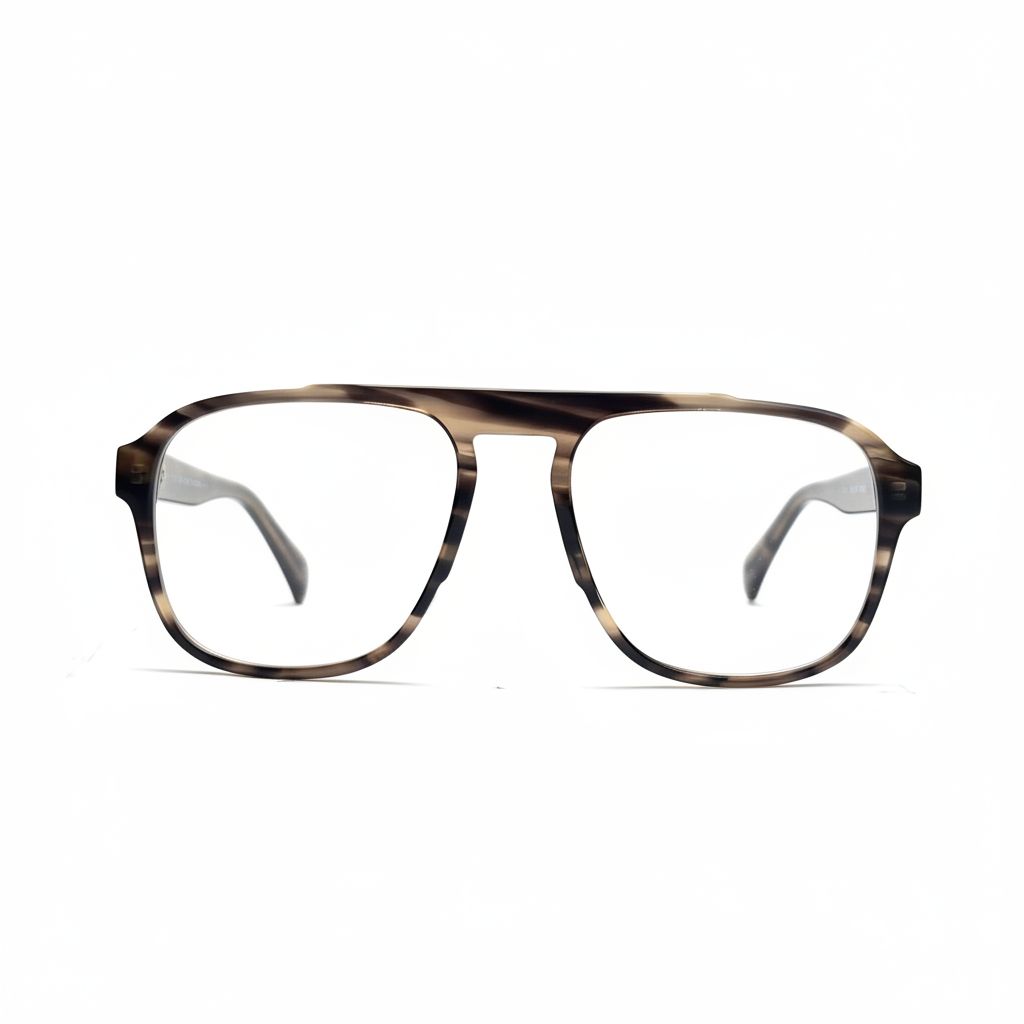
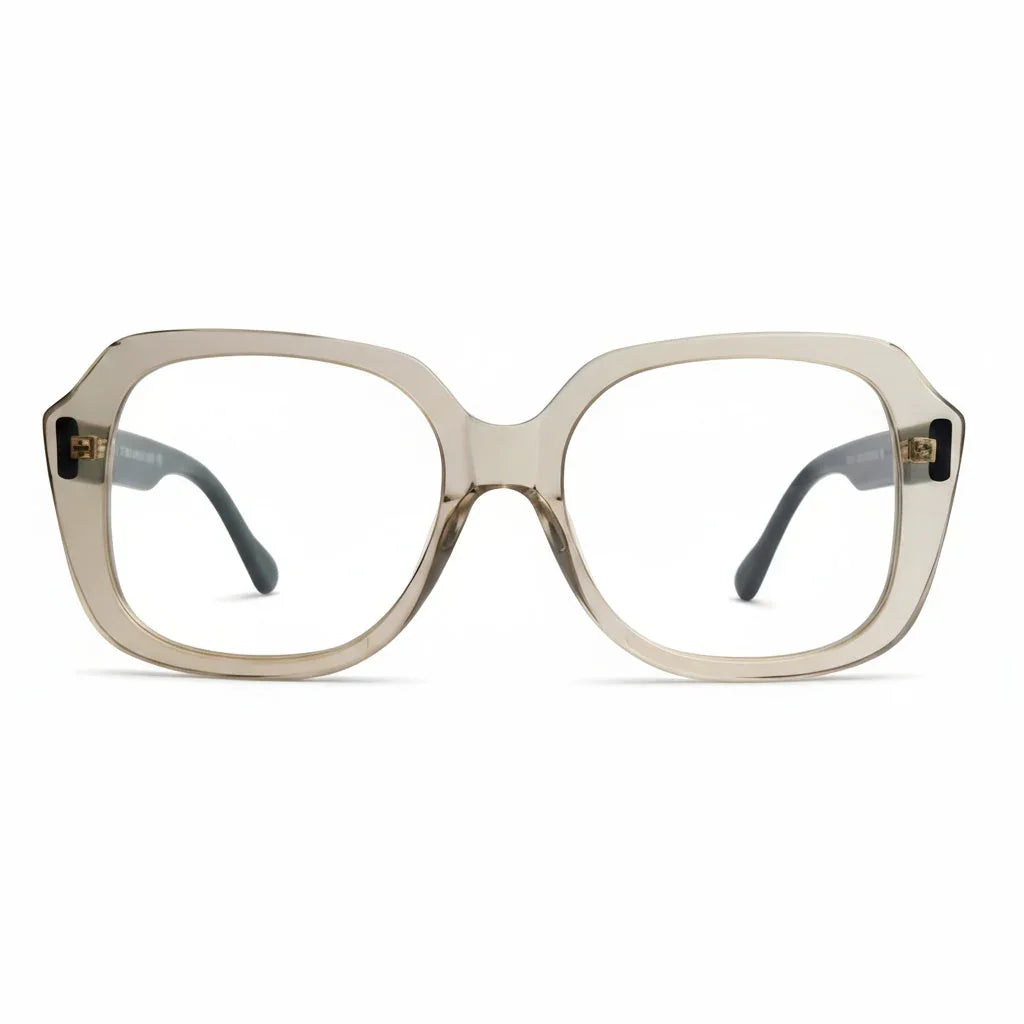
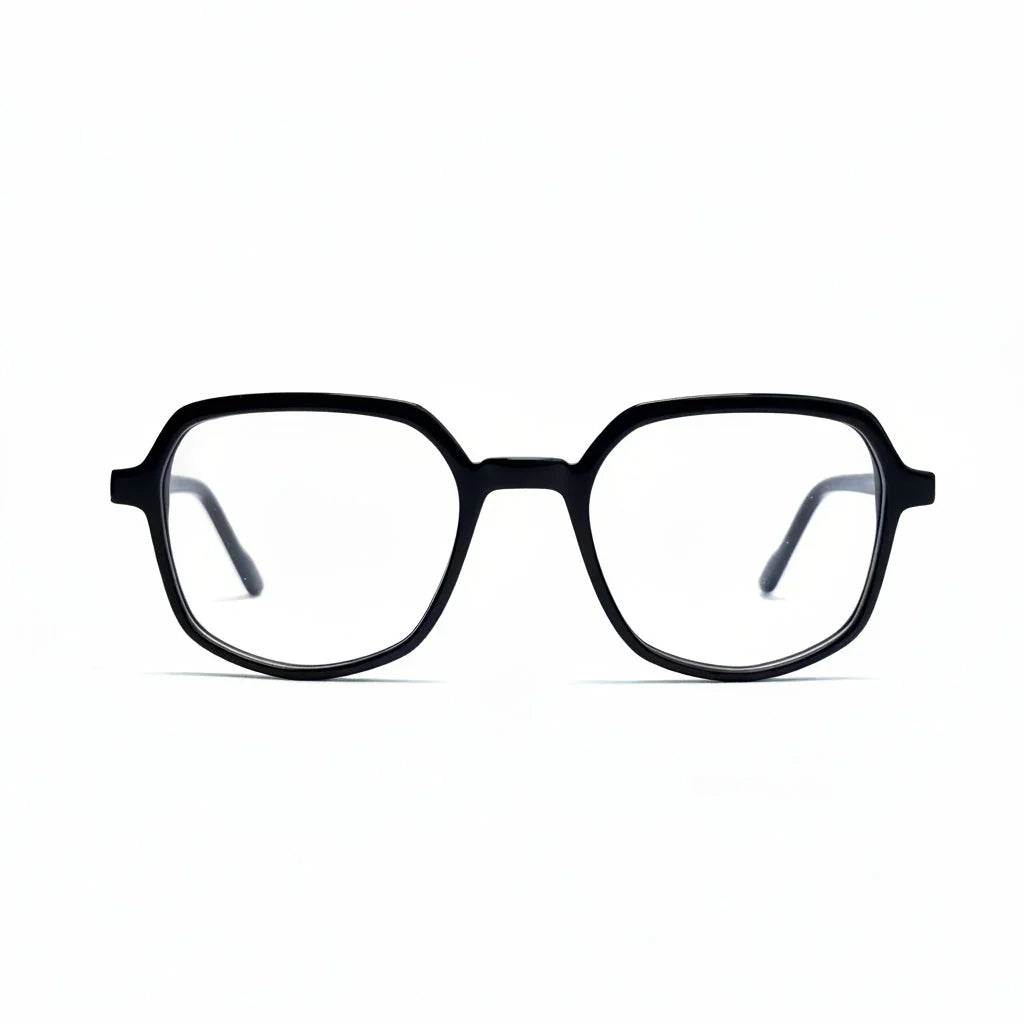
When investing in a quality pair of glasses, durability is a key consideration. You want frames that will maintain their shape, finish, and structural integrity through years of daily wear. The two dominant frame materials — metal (particularly titanium) and plastic (particularly acetate) — each have distinct durability profiles. Here's an honest comparison to help you choose wisely.
What We Mean by "Metal" and "Plastic"
Not all metals and plastics are equal. For this comparison, we're focusing on the premium end of each category:
- Metal: Primarily titanium and titanium alloys, which represent the gold standard in metal eyewear. Also includes stainless steel and beta-titanium.
- Plastic: Premium cellulose acetate, the plant-derived material used in quality eyewear. Not to be confused with cheap injection-moulded plastic, which has very different durability characteristics.
Comparing budget plastic to premium titanium would be unfair. This guide compares quality materials at similar price points.
Titanium Frames: Built to Last
Structural Strength
Titanium has an exceptional strength-to-weight ratio — it's stronger than steel at a fraction of the weight. Titanium frames resist bending, warping, and breaking under normal use conditions. They can flex under pressure and return to their original shape, making them highly resilient to the minor impacts and stresses of daily life.
Corrosion Resistance
Titanium is virtually immune to corrosion. It won't rust, tarnish, or degrade when exposed to sweat, humidity, saltwater, or cleaning products. This makes titanium frames particularly durable for active wearers, those in humid climates, or anyone who perspires heavily.
Shape Retention
Titanium frames hold their adjusted shape exceptionally well. Once properly fitted, they maintain that fit over time without the gradual loosening that can affect other materials. Beta-titanium and memory metal variants can flex significantly and spring back to their original shape.
Finish Durability
The surface finishes applied to titanium — PVD coatings, anodising, and polishing — are highly durable. They resist scratching and maintain their appearance over years of wear. However, deep scratches can be difficult to repair on metal frames.
Lifespan
With proper care, quality titanium frames can last a decade or more. Many wearers keep the same titanium frames for years, simply updating the lenses as their prescription changes. Browse our Metal Frames collection for premium titanium options built for longevity.
Premium Acetate Frames: Durable with Character
Structural Integrity
Quality acetate is a dense, rigid material that holds its shape well under normal conditions. It's more resistant to bending than cheaper plastics, though it can crack or snap under significant impact — particularly in cold temperatures when the material becomes more brittle.
Heat Sensitivity
Acetate's main vulnerability is heat. Prolonged exposure to high temperatures — left in a hot car, stored near a heat source — can cause acetate frames to warp or deform. This is the most common cause of premature damage to acetate frames and is entirely preventable with proper storage.
Chemical Resistance
Quality acetate is reasonably resistant to everyday chemicals, but prolonged exposure to harsh solvents, certain cleaning products, or high concentrations of sweat can affect the surface finish over time. Hairspray and perfume are particular culprits — apply these before putting on your glasses.
Colour and Pattern Longevity
One of acetate's great advantages is that its colour runs through the entire material, not just on the surface. Minor scratches don't reveal a different colour underneath, and the material can often be buffed to restore its finish. However, prolonged UV exposure can cause some colour fading over many years.
Lifespan
Quality acetate frames, properly cared for, can last 5–10 years or more. The key is avoiding heat, storing in a protective case, and keeping them away from harsh chemicals. Explore our full collection for premium acetate options.
Head-to-Head: Durability Comparison
Impact Resistance
Titanium wins. Metal frames flex under impact and return to shape; acetate can crack or snap under significant force.
Heat Resistance
Titanium wins. Metal is unaffected by heat that would warp acetate. This is a significant practical advantage.
Corrosion and Chemical Resistance
Titanium wins. Titanium's corrosion resistance is exceptional. Acetate can be affected by prolonged chemical exposure.
Scratch Resistance
Tie. Both materials can be scratched. Acetate can sometimes be buffed to remove minor scratches; titanium's surface coatings are harder but scratches are more permanent.
Shape Retention
Titanium wins for long-term shape retention. Acetate can be adjusted with heat but may gradually loosen over time.
Repairability
Acetate has an edge. Acetate frames can be heat-adjusted, buffed, and in some cases repaired by skilled craftspeople. Broken metal frames are generally harder to repair.
Aesthetic Longevity
Tie. Both materials age gracefully when properly maintained. Titanium maintains its clean lines; acetate develops a subtle patina that many wearers appreciate.
The Verdict
On pure durability metrics, titanium edges ahead — particularly for active wearers, those in demanding environments, or anyone who tends to be hard on their belongings. Its resistance to heat, corrosion, and impact makes it the more robust choice in most real-world scenarios.
That said, quality acetate is genuinely durable and will serve most wearers well for many years with proper care. The choice between metal and acetate should ultimately be driven by your lifestyle, aesthetic preferences, and how you plan to use your glasses — not durability alone.
For the most demanding conditions, choose titanium. For everyday wear with proper care, either material will serve you well. Explore our Metal Frames and full collection to find the right material for your lifestyle.