Your vision can change gradually over time, making it easy to miss the signs that your eyeglass prescription needs updating. Wearing an outdated prescription doesn't just compromise your visual clarity—it can lead to eye strain, headaches, and reduced quality of life. Here are five telltale signs it's time to schedule an eye exam and update your prescription.
1. Frequent Headaches and Eye Strain
The Warning Signs
If you're experiencing regular headaches, particularly after reading, using digital devices, or by the end of the day, your prescription may no longer be adequate. Eye strain manifests as:
- Dull, aching pain around the eyes or temples
- Tension headaches that worsen with visual tasks
- Feeling like your eyes are working harder than they should
- Fatigue that seems disproportionate to your activity level
- Difficulty keeping your eyes open or focused
Why It Happens
When your prescription is incorrect, your eye muscles work overtime trying to compensate and achieve clear focus. This constant extra effort leads to muscle fatigue and tension headaches. The strain is often most noticeable during tasks requiring sustained focus.
The Solution
An updated prescription allows your eyes to focus effortlessly. Whether you need single vision lenses for one field of vision or progressive lenses for multiple distances, the right correction eliminates unnecessary eye muscle strain.
2. Squinting to See Clearly
The Warning Signs
Squinting is your eyes' natural attempt to improve focus by changing the shape of your eye and reducing the amount of scattered light entering. If you find yourself:
- Squinting to read signs, menus, or screens
- Narrowing your eyes to see faces across a room
- Squinting even while wearing your glasses
- Developing crow's feet or forehead wrinkles from constant squinting
- Tilting your head to find a "sweet spot" for clearer vision
Why It Happens
Squinting temporarily improves focus by creating a pinhole effect, but it's a clear sign your current prescription isn't providing adequate correction. This compensatory behavior indicates your eyes are struggling to achieve the clarity they need.
The Solution
A proper prescription update eliminates the need to squint. You should be able to see clearly and comfortably without any compensatory behaviors. Our premium lenses ensure sharp, effortless vision at all distances.
3. Blurred or Fuzzy Vision
The Warning Signs
Blurred vision is perhaps the most obvious sign of prescription changes. Pay attention if you notice:
- Text that appears fuzzy or has soft edges
- Difficulty reading fine print that was previously clear
- Blurred vision at specific distances (near, intermediate, or far)
- Inconsistent clarity throughout the day
- Needing to hold reading material farther away or closer than before
- Difficulty seeing clearly in low light conditions
Why It Happens
Vision changes occur due to natural aging, eye shape changes, or developing conditions like presbyopia (age-related near vision loss), myopia progression, or astigmatism changes. These shifts mean your current lenses no longer match your eyes' optical needs.
The Solution
An updated prescription restores crisp, clear vision. For those experiencing presbyopia, our reading glasses with magnification provide simple, effective correction for close-up tasks without requiring a full prescription.
4. Difficulty with Night Driving
The Warning Signs
Night vision problems are often among the first indicators of prescription changes. Watch for:
- Halos or starbursts around headlights and street lights
- Difficulty reading road signs until you're very close
- Glare from oncoming headlights that seems worse than before
- Reduced confidence driving at night
- Difficulty judging distances in low light
- Increased anxiety about night driving
Why It Happens
In low light, your pupils dilate to let in more light. This makes any prescription inaccuracies more noticeable because you're using more of your lens surface, including the peripheral areas. Additionally, even small prescription errors become magnified in challenging lighting conditions.
The Solution
An accurate prescription combined with anti-reflective coating dramatically improves night vision. AR coating reduces glare and halos, while the correct prescription ensures sharp focus even in low light conditions.
5. Double Vision or Visual Distortions
The Warning Signs
Seeing double or experiencing visual distortions requires immediate attention. Look out for:
- Seeing two images of a single object (either side-by-side or overlapping)
- Wavy or distorted straight lines
- Shadows or ghost images around objects
- Difficulty with depth perception
- Images that seem to shift or move
- Inconsistent focus between your two eyes
Why It Happens
Double vision can result from prescription imbalances between eyes, uncorrected astigmatism, or in some cases, underlying health conditions. When your prescription doesn't properly correct for these issues, your brain receives conflicting visual information from each eye.
The Solution
This symptom warrants an immediate eye exam. While often correctable with an updated prescription, double vision can sometimes indicate conditions requiring medical attention. Don't delay scheduling an appointment.
Additional Factors That May Indicate Prescription Changes
Time Since Last Exam
Even without obvious symptoms, you should have an eye exam:
- Annually if you're over 60
- Every 1-2 years for adults under 60
- Annually for children and teenagers
- More frequently if you have diabetes, glaucoma, or other eye conditions
Life Changes
Certain situations may accelerate vision changes:
- Pregnancy (hormonal changes can affect vision)
- New medications (some affect vision as a side effect)
- Diagnosis of diabetes or other systemic conditions
- Significant changes in screen time or visual demands
- Recent eye injury or surgery
The Importance of Regular Eye Exams
Many vision changes occur so gradually that you may not notice them until they significantly impact your daily life. Regular eye exams catch these changes early, ensuring you always have optimal vision correction. Additionally, comprehensive eye exams can detect serious conditions like glaucoma, macular degeneration, and even systemic diseases like diabetes and high blood pressure.
Updating Your Eyewear
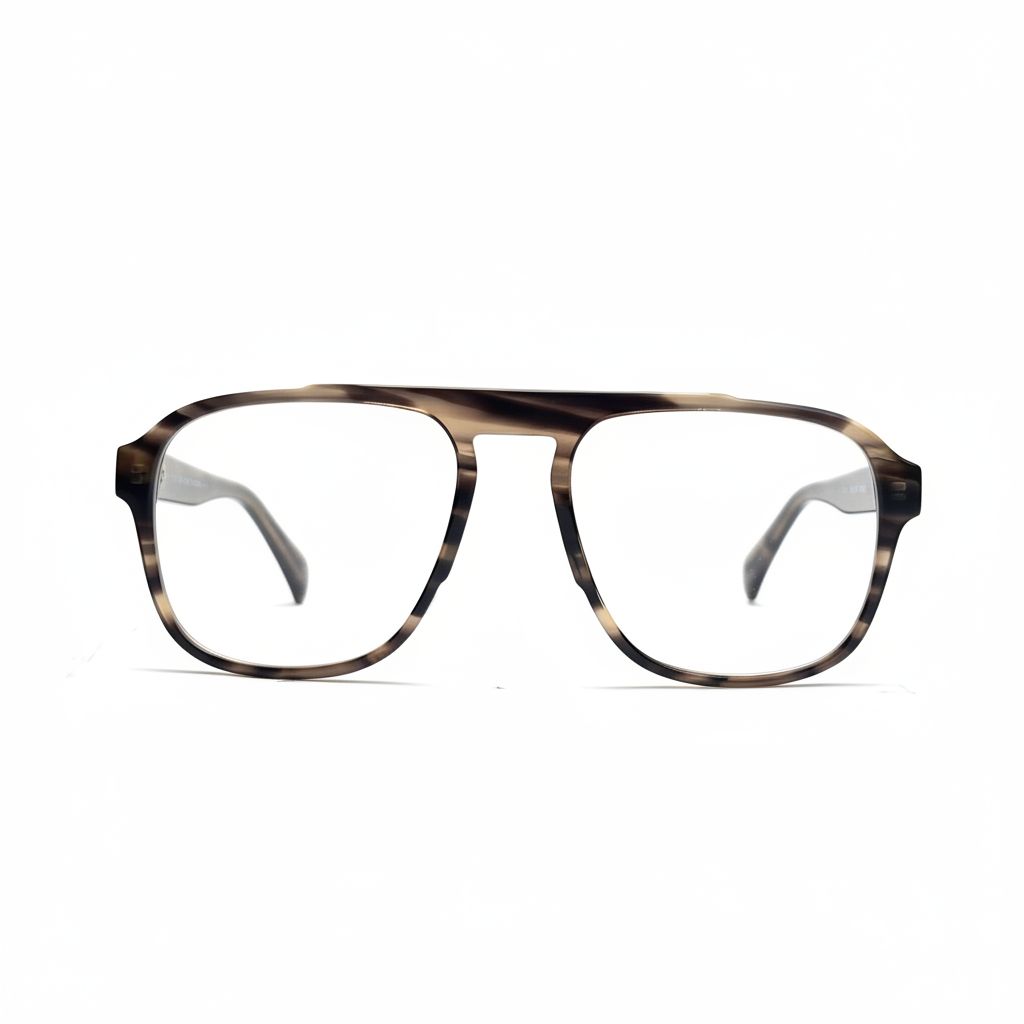
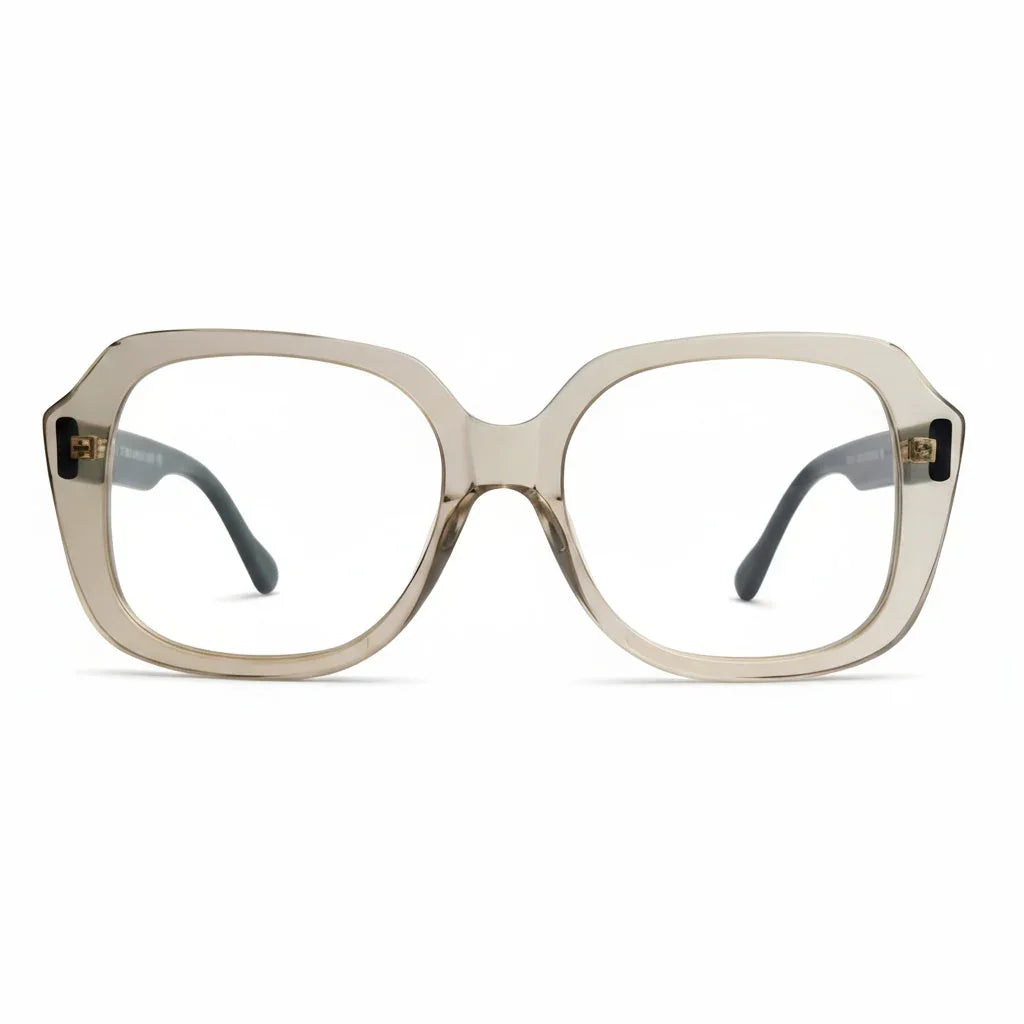
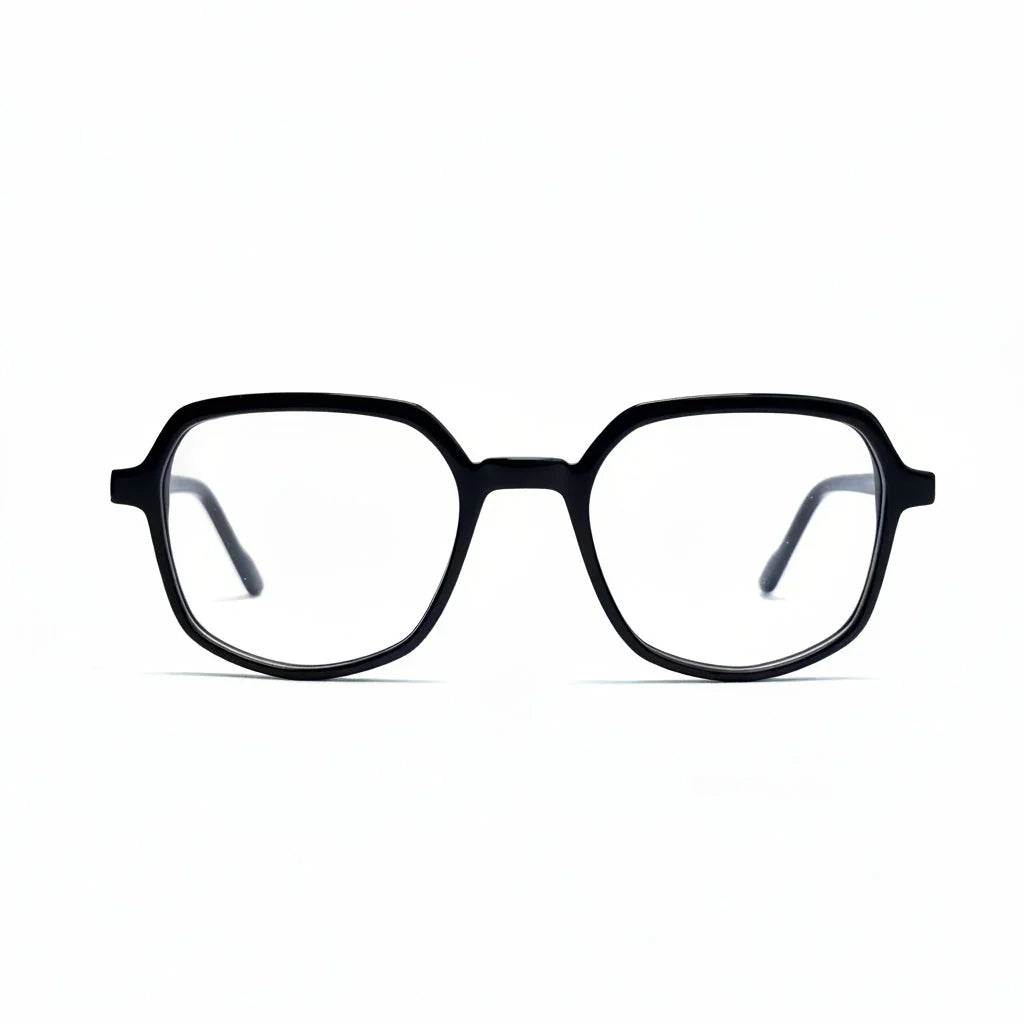
Once you have a new prescription, investing in quality frames and lenses ensures you get the full benefit of your updated correction. Our collection of premium titanium and acetate frames provides the perfect foundation for your new lenses, combining comfort, durability, and style.
Don't Wait for Perfect Clarity to Disappear
Your vision is too important to compromise. If you're experiencing any of these signs, schedule an eye exam promptly. Clear, comfortable vision isn't a luxury—it's essential for safety, productivity, and quality of life.
Ready to update your eyewear with your new prescription? Explore our collection of premium frames designed to showcase your updated lenses beautifully while providing exceptional comfort and durability.