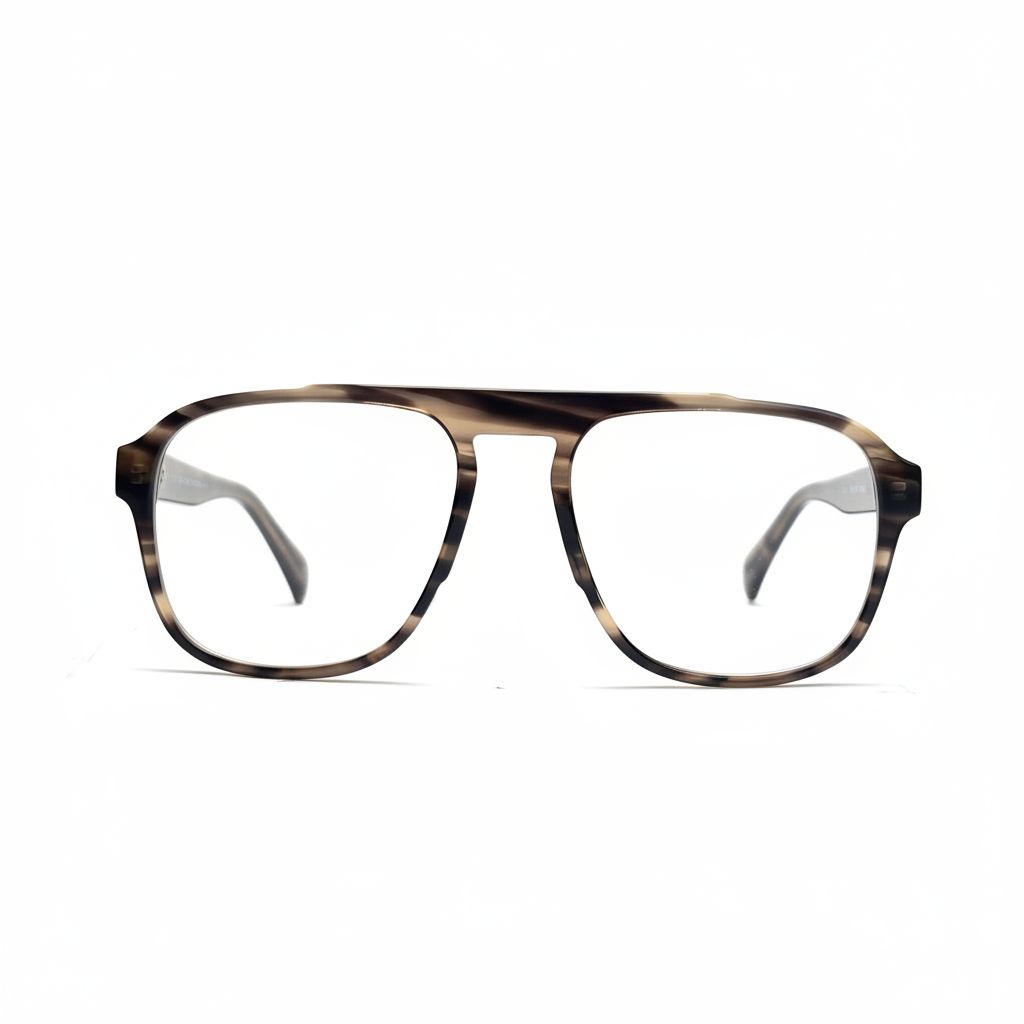
Walk into any premium eyewear boutique and you'll notice something immediately: the frames that feel most substantial, most refined, most expensive are almost always made from acetate. But what exactly is acetate, and why does it feel so different from ordinary plastic? This guide breaks down the science, the craft, and the sensory experience that makes acetate the material of choice for discerning eyewear enthusiasts.
What Is Acetate, Exactly?
Acetate — technically cellulose acetate — is a plant-derived material made from cotton fibres and wood pulp. Unlike the injection-moulded plastics used in budget eyewear, premium acetate is produced in large sheets or blocks, then cut, shaped, and hand-finished by skilled craftspeople. This fundamental difference in production method is the root of everything that makes acetate feel superior.
The material has been used in eyewear since the mid-20th century and remains the benchmark for quality in the industry. Its enduring popularity isn't nostalgia — it's a reflection of genuine material superiority.
The Sensory Difference: Why Acetate Feels Better
Weight and Density
Acetate has a satisfying density that cheap plastic simply cannot replicate. When you pick up a well-made acetate frame, it has a substantive weight that communicates quality — not so heavy as to be uncomfortable, but enough to feel considered and solid. Injection-moulded plastic, by contrast, often feels hollow or flimsy.
Surface Finish
Premium acetate frames are hand-polished through multiple stages, resulting in a surface that is genuinely smooth and lustrous. Run your finger along a quality acetate frame and you'll feel a warmth and depth that plastic cannot achieve. The material takes polish exceptionally well, developing a rich, almost jewel-like finish.
Temperature Response
Acetate warms to body temperature quickly, which means frames feel comfortable almost immediately upon wearing. Cheaper plastics can feel cold and clinical against the skin, while acetate adapts to you — a subtle but meaningful difference in the wearing experience.
The Visual Depth of Acetate
Colour and Pattern
One of acetate's most celebrated qualities is its visual richness. Because acetate sheets are produced in layers, colours and patterns have genuine depth — tortoiseshell acetate, for example, has a three-dimensional quality that looks different depending on the angle and lighting. This is impossible to replicate with surface-printed or dyed plastic.
The range of colours and patterns available in acetate is virtually unlimited. From classic black and tortoiseshell to translucent pastels, bold solids, and intricate marbled effects, acetate offers creative possibilities that no other eyewear material can match. Explore the range of acetate options in our All Glasses collection.
Translucency
Quality acetate can be produced in varying degrees of translucency, from fully opaque to almost completely clear. This allows for frames that interact beautifully with light — a translucent honey-coloured acetate frame, for instance, glows warmly in sunlight in a way that feels almost organic. Our Clear Frames collection showcases this quality beautifully.
The Craft Behind Acetate Frames
From Sheet to Frame
The production of a quality acetate frame involves significantly more human skill and time than plastic alternatives. Sheets of acetate are cut into rough frame shapes using precision machinery, then passed through the hands of skilled craftspeople who refine, shape, and finish each piece. Hinges are set by hand. Temples are shaped and adjusted. The frame is polished through multiple stages using progressively finer compounds.
This labour-intensive process is part of what you're paying for when you invest in quality acetate eyewear — and it's part of why the result feels so different from mass-produced alternatives.
Adjustability
Acetate can be gently heated and reshaped, which means a skilled optician can adjust your frames for a truly personalised fit. This is a practical advantage that plastic frames simply cannot offer — once moulded, they're fixed. Acetate frames, by contrast, can be fine-tuned to your unique facial geometry.
Durability and Longevity
Quality acetate is remarkably durable. Unlike cheaper plastics that can become brittle, discolour, or develop surface crazing over time, well-maintained acetate frames age gracefully. The colour is consistent throughout the material — not just on the surface — which means minor scratches can often be buffed out without revealing a different colour underneath.
With proper care, a quality pair of acetate frames can last many years, making them a genuinely worthwhile investment. Browse our Best Selling acetate styles to find a pair built to last.
Acetate vs. Cheap Plastic: A Direct Comparison
Production Method
Acetate is cut from sheets and hand-finished. Cheap plastic is injection-moulded in seconds with minimal human involvement.
Material Origin
Acetate is plant-derived and biodegradable. Most cheap plastics are petroleum-based and non-biodegradable.
Colour Depth
Acetate has genuine three-dimensional colour and pattern. Cheap plastic has surface-level colour that can look flat or artificial.
Feel
Acetate is warm, dense, and smooth. Cheap plastic often feels light, hollow, or slightly rough.
Longevity
Quality acetate lasts years with proper care. Cheap plastic can become brittle, discoloured, or warped relatively quickly.
Is Acetate Right for You?
If you value the sensory experience of wearing your glasses — the weight, the feel, the visual richness — acetate is almost certainly the right choice. It's the material that rewards attention to detail and repays investment with years of reliable, beautiful performance.
For those who prioritise ultra-lightweight comfort above all else, titanium may be a better fit. But for those who want frames that feel as good as they look, acetate is unmatched. Discover our full range of premium acetate and titanium options in the WEISS OPTIX collection.
The Bottom Line
Acetate feels more luxurious than plastic because it is more luxurious — in its origins, its production, its material properties, and its sensory qualities. It's a material with genuine character, and that character comes through every time you put your glasses on.