We all know the importance of protecting our skin from the sun's harmful ultraviolet (UV) rays, but many people overlook the critical need to protect their eyes. UV radiation can cause serious, irreversible damage to your eyes and the delicate skin surrounding them. Understanding UV risks and how to protect yourself is essential for maintaining lifelong eye health.
Understanding UV Radiation
Ultraviolet radiation is invisible electromagnetic energy emitted by the sun. There are three types of UV rays:
- UVA rays: Long-wave UV that penetrates deep into the eye, potentially damaging the macula and lens
- UVB rays: Medium-wave UV that affects the front of the eye (cornea and lens) and is primarily responsible for sunburn
- UVC rays: Short-wave UV that is absorbed by the Earth's atmosphere and doesn't reach us
Both UVA and UVB rays can harm your eyes and require protection.
The Dangers of UV Exposure to Eyes
Short-Term Effects
Photokeratitis (Sunburn of the Eye)
Just as your skin can burn, so can your eyes. Photokeratitis is a painful condition caused by excessive UV exposure, often from:
- Bright sunlight reflected off snow, water, or sand
- Welding without proper eye protection
- Extended time at high altitudes
Symptoms include pain, redness, blurred vision, light sensitivity, and a gritty feeling in the eyes. While usually temporary, it's extremely uncomfortable and indicates damage has occurred.
Long-Term Effects
Cataracts
UV exposure is a major risk factor for cataracts, the clouding of the eye's natural lens. Cataracts are the leading cause of blindness worldwide, and while they can be treated with surgery, prevention is always preferable. Studies show that people who protect their eyes from UV rays significantly reduce their cataract risk.
Macular Degeneration
Age-related macular degeneration (AMD) affects the central part of the retina responsible for sharp, detailed vision. UV exposure, particularly UVA rays, may contribute to AMD development. This condition can lead to permanent vision loss and has no cure, making prevention crucial.
Pterygium and Pinguecula
These are growths on the eye's surface caused by UV exposure, dust, and wind. A pterygium can grow over the cornea, affecting vision and requiring surgical removal. A pinguecula is a yellowish patch on the white of the eye. Both are more common in people who spend significant time outdoors without eye protection.
Skin Cancer Around the Eyes
The skin around your eyes is extremely thin and delicate, making it particularly vulnerable to UV damage. Basal cell carcinoma, the most common form of skin cancer, frequently occurs on the eyelids. Melanoma can also develop in this area.
Corneal Damage
Chronic UV exposure can damage the cornea, leading to vision problems and increased sensitivity to light.
Who's at Risk?
While everyone needs UV protection, certain factors increase your risk:
- Geographic location: UV exposure is higher near the equator and at high altitudes
- Time of day: UV rays are strongest between 10 AM and 4 PM
- Environment: Reflective surfaces (water, snow, sand, concrete) can nearly double UV exposure
- Medications: Some drugs increase photosensitivity
- Eye color: Lighter-colored eyes may be more susceptible to UV damage
- Previous eye surgery: Cataract surgery patients need extra protection
- Children: Young eyes transmit more UV to the retina than adult eyes
Common UV Protection Myths
Myth 1: "I only need protection on sunny days"
Reality: Up to 80% of UV rays penetrate clouds. You need protection year-round, even on overcast days.
Myth 2: "I'm safe in the shade"
Reality: UV rays reflect off surfaces and scatter in the atmosphere. Shade reduces exposure but doesn't eliminate it.
Myth 3: "Dark lenses provide better protection"
Reality: Lens darkness doesn't indicate UV protection. Clear lenses can block 100% of UV rays if properly coated. Dark lenses without UV protection are actually worse—they cause your pupils to dilate, allowing more harmful rays to enter.
Myth 4: "I don't need protection in winter"
Reality: Snow reflects up to 80% of UV rays, nearly doubling your exposure. Winter sports enthusiasts face particularly high UV risk.
How to Protect Your Eyes from UV Damage
1. Wear Proper Eyewear
The most effective protection is eyewear that blocks 100% of UVA and UVB rays. Look for:
- Labels stating "100% UV protection" or "UV400"
- Wraparound styles that protect from side angles
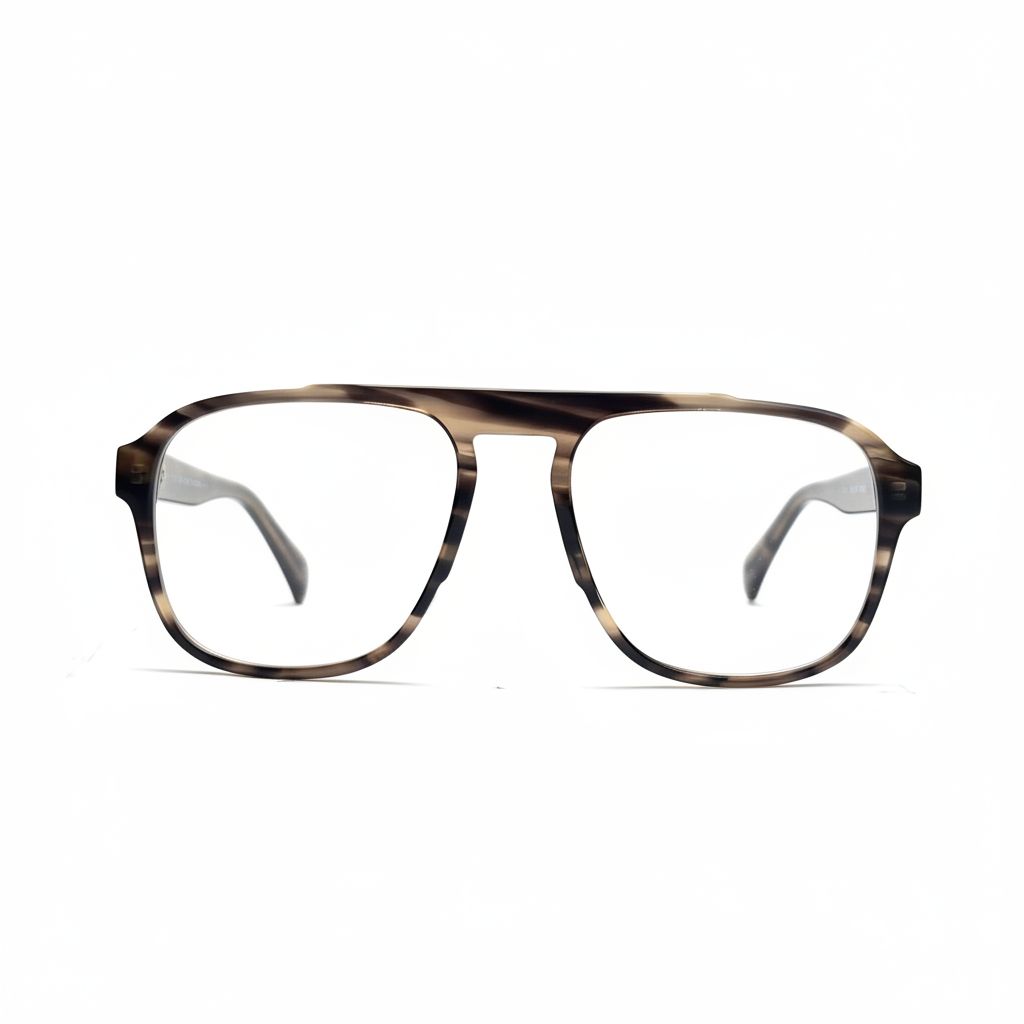
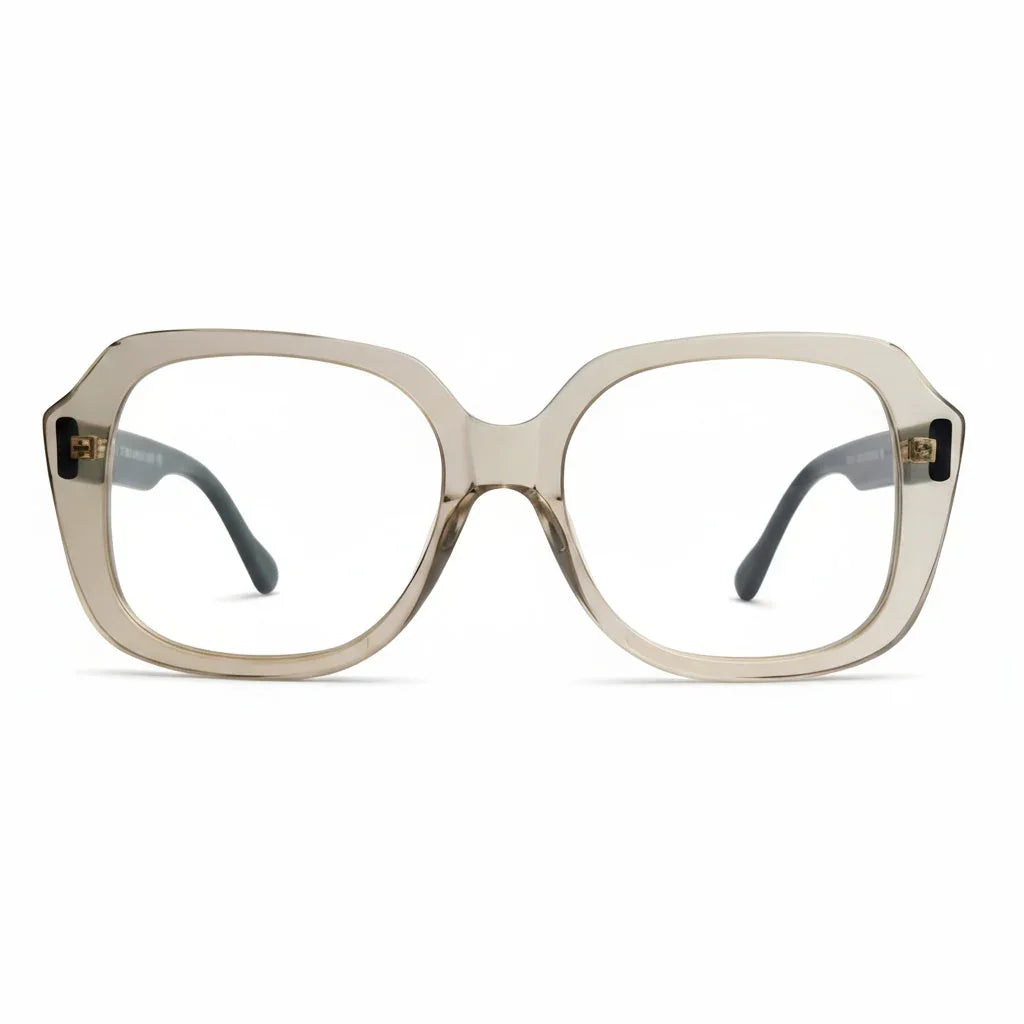
- Larger frames that cover more of the eye area
- Quality lenses from reputable manufacturers
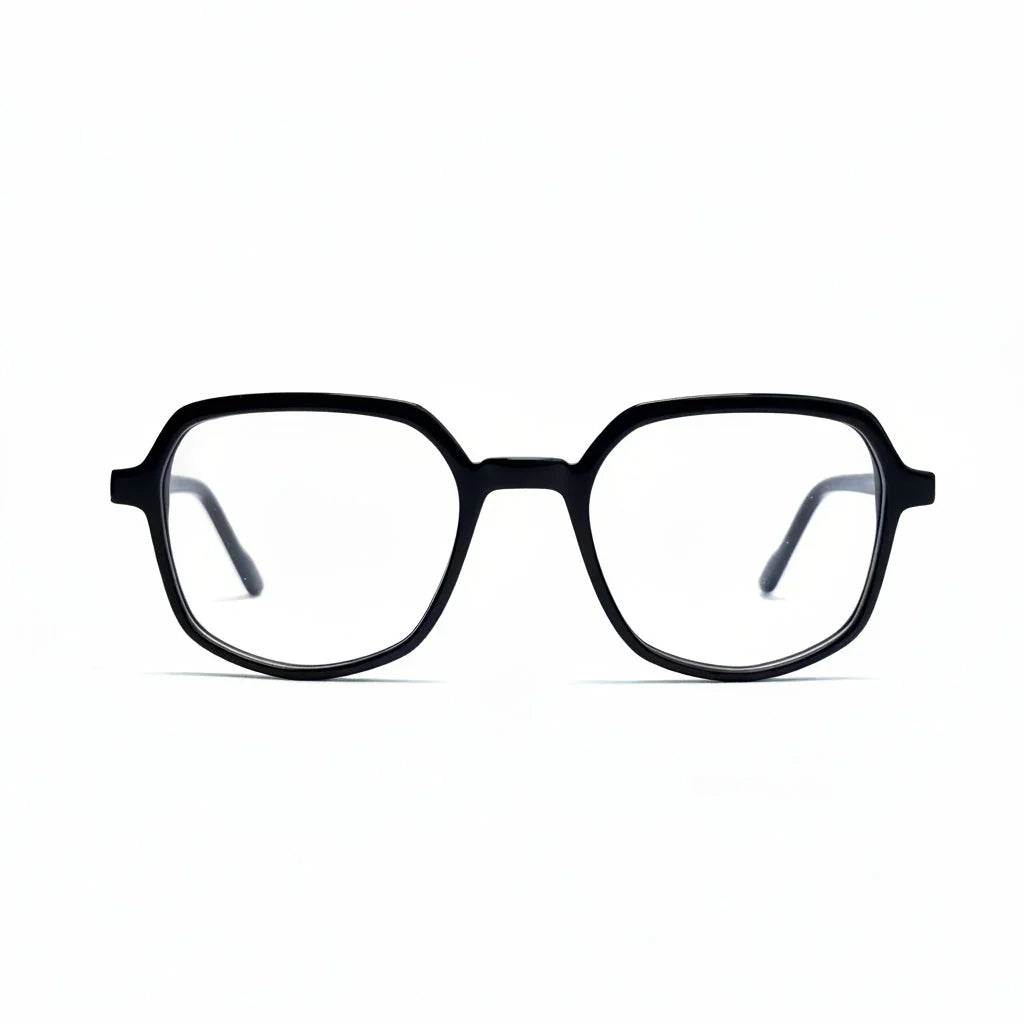
Our protective eyewear offers comprehensive UV protection with style, while our prescription lenses ensure you don't have to choose between clear vision and UV protection.
2. Wear a Wide-Brimmed Hat
A hat with at least a 3-inch brim blocks about 50% of UV radiation from reaching your eyes. Combined with UV-protective eyewear, this provides excellent protection.
3. Seek Shade During Peak Hours
Minimize outdoor exposure between 10 AM and 4 PM when UV rays are strongest. When you must be outside, seek shade whenever possible.
4. Never Look Directly at the Sun
Even with sunglasses, never look directly at the sun. This can cause solar retinopathy, permanent damage to the retina.
5. Protect Children's Eyes
Children's eyes are more vulnerable to UV damage, and the effects are cumulative. Establish sun protection habits early with quality children's eyewear.
6. Don't Forget Indoor Protection
UV rays can penetrate windows. If you sit near windows at work or home, consider UV-protective eyewear or window films.
Choosing the Right UV-Protective Eyewear
For Everyday Wear
All our eyeglass lenses include UV protection, so you're covered during daily activities. Whether you choose our progressive lenses or reading glasses, UV protection is built in.
For Outdoor Activities
Consider polarized lenses for activities near water or snow. Polarization reduces glare while UV coating protects your eyes from harmful rays.
For Sports and Recreation
Wraparound styles provide maximum coverage, protecting from UV rays entering from the sides. Look for impact-resistant lenses for active pursuits.
UV Protection is a Lifelong Investment
UV damage to eyes is cumulative and irreversible. The protection you provide today safeguards your vision for decades to come. Just as you wouldn't skip sunscreen on a beach day, don't skip UV protection for your eyes.
Quality Matters
Not all UV protection is created equal. Cheap sunglasses without proper UV coating can actually be worse than no protection at all. Invest in quality eyewear from reputable sources that guarantee 100% UV protection.
Our collection combines premium UV protection with sophisticated style and superior craftsmanship. Every pair is designed to protect your eyes while complementing your personal aesthetic.
Your Vision is Irreplaceable
You only get one pair of eyes. Protecting them from UV damage is one of the simplest, most effective things you can do for your long-term health. Make UV protection a non-negotiable part of your daily routine, just like brushing your teeth.
Explore our collection of UV-protective eyewear and give your eyes the protection they deserve—today and every day.