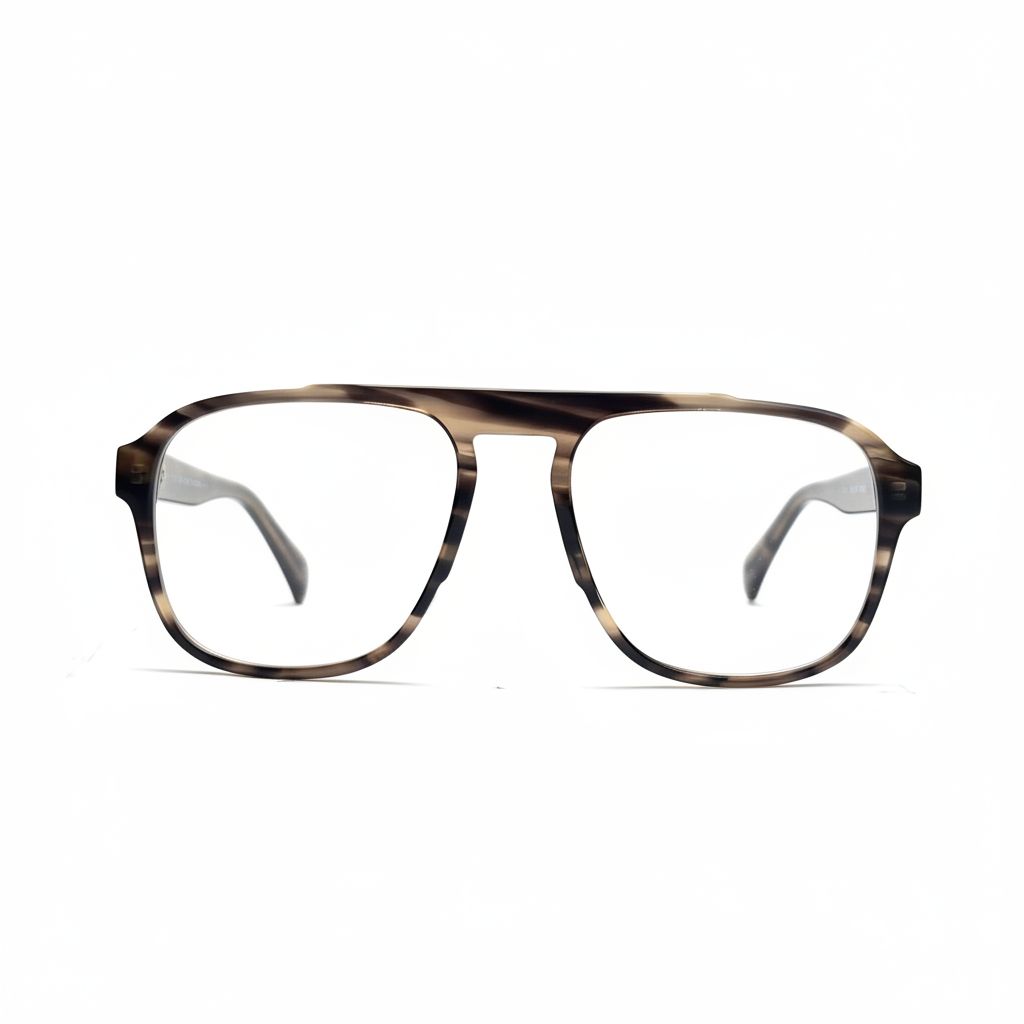
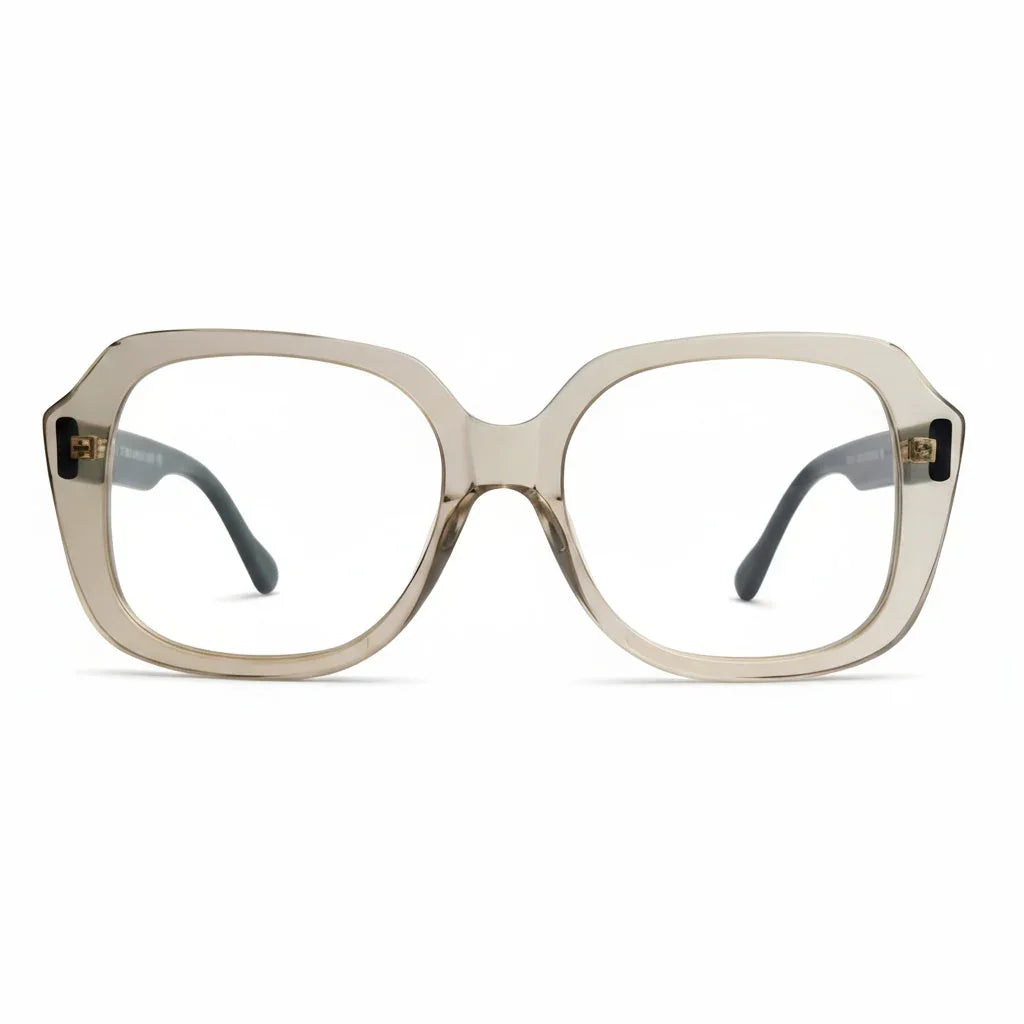
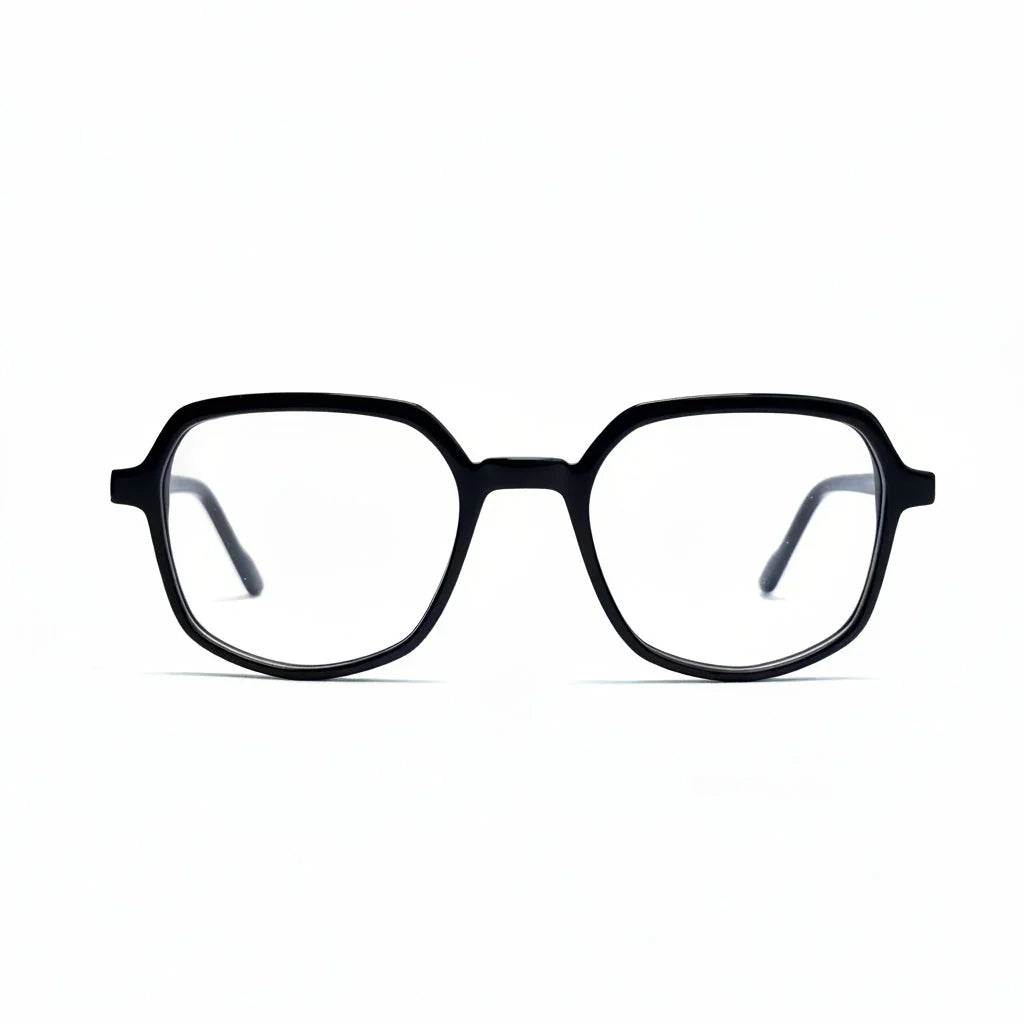
In our increasingly digital world, the average person spends over 7 hours per day looking at screens. Whether you're working on a computer, scrolling through your smartphone, or binge-watching your favorite series, your eyes are constantly exposed to blue light. But what exactly is blue light, and do you really need blue light filtering lenses? This comprehensive guide answers all your questions.
What Is Blue Light?
Blue light is part of the visible light spectrum, with wavelengths between 380 and 500 nanometers. It's emitted naturally by the sun and artificially by digital screens, LED lights, and fluorescent bulbs. While blue light during daytime hours helps regulate our circadian rhythm and boost alertness, excessive exposure—especially from close-range digital devices—can have negative effects.
Not all blue light is harmful. The concern centers on high-energy visible (HEV) blue light, particularly wavelengths between 415-455nm, which can potentially cause eye strain and disrupt sleep patterns when exposure occurs in the evening.
The Science: How Blue Light Affects Your Eyes and Health
Digital Eye Strain
Extended screen time can lead to digital eye strain, also known as computer vision syndrome. Symptoms include:
- Eye fatigue and discomfort
- Dry, irritated eyes
- Blurred vision
- Headaches
- Neck and shoulder pain
While blue light contributes to these symptoms, they're also caused by reduced blinking, poor posture, and screen glare. Blue light filtering lenses address one component of this multifaceted issue.
Sleep Disruption
Blue light exposure in the evening suppresses melatonin production, the hormone that regulates sleep-wake cycles. Studies show that using digital devices before bed can delay sleep onset, reduce sleep quality, and affect next-day alertness. Blue light filtering lenses worn during evening screen time can help minimize this disruption.
Long-Term Eye Health
Research into blue light's long-term effects on retinal health is ongoing. While some studies suggest prolonged exposure may contribute to age-related macular degeneration, the evidence isn't conclusive. However, the precautionary principle suggests that reducing unnecessary blue light exposure is a sensible approach to eye health.
How Blue Light Filtering Lenses Work
Blue light filtering lenses use special coatings or lens materials that selectively block or absorb blue light wavelengths while allowing other beneficial light to pass through. There are two main types:
1. Blue Light Blocking Coatings
These are applied to standard lenses and typically block 20-50% of blue light. They're nearly invisible and don't significantly alter color perception, making them ideal for everyday wear. Premium coatings also include anti-reflective properties to reduce glare.
2. Blue Light Filtering Lens Materials
These lenses have blue light filtering properties built into the lens material itself, often blocking 50-90% of blue light. They may have a slight yellow or amber tint, which can affect color perception but provides maximum protection for those with high screen exposure.
Who Should Consider Blue Light Filtering Lenses?
Blue light filtering lenses are particularly beneficial for:
- Remote workers and office professionals who spend 6+ hours daily on computers
- Gamers and content creators with extended screen sessions
- Students using digital devices for learning and research
- Anyone experiencing digital eye strain symptoms
- Evening screen users who want to protect their sleep quality
- Individuals concerned about long-term eye health
Choosing the Right Blue Light Filtering Lenses
Consider Your Screen Time
For moderate screen use (2-4 hours daily), a standard blue light coating offering 20-30% filtration is typically sufficient. For heavy users (6+ hours), consider lenses with 40-50% filtration or higher.
Evaluate Color Accuracy Needs
If you work in design, photography, or any field requiring precise color perception, opt for clear blue light coatings rather than tinted lenses. Modern coatings can provide effective protection without noticeable color distortion.
Combine with Other Lens Technologies
Blue light filtering works beautifully alongside other lens enhancements:
- Anti-reflective coating: Reduces glare from screens and overhead lighting
- UV protection: Blocks harmful ultraviolet rays
- Scratch-resistant coating: Extends lens lifespan
- Hydrophobic coating: Repels water and oils for easier cleaning
Beyond Blue Light Lenses: Comprehensive Digital Eye Protection
While blue light filtering lenses are valuable, they're most effective as part of a holistic approach to eye health:
The 20-20-20 Rule
Every 20 minutes, look at something 20 feet away for at least 20 seconds. This simple practice reduces eye strain significantly.
Optimize Your Workspace
- Position screens 20-26 inches from your eyes
- Adjust screen brightness to match ambient lighting
- Reduce overhead glare with proper lighting
- Use a matte screen protector to minimize reflections
Practice Good Screen Hygiene
- Enable night mode on devices after sunset
- Increase text size to reduce squinting
- Blink consciously to maintain eye moisture
- Limit screen time 1-2 hours before bed
Common Myths About Blue Light Lenses
Myth: Blue light lenses have a strong yellow tint
Reality: Modern blue light coatings are virtually clear. Only high-filtration lenses designed for maximum protection have a noticeable tint.
Myth: You only need them if you have vision problems
Reality: Blue light filtering lenses benefit anyone with screen exposure, regardless of whether they need vision correction. They're available in non-prescription versions too.
Myth: They completely eliminate eye strain
Reality: Blue light lenses reduce one contributing factor to eye strain. Proper ergonomics, regular breaks, and good lighting are equally important.
The WEISS OPTIX Approach to Blue Light Protection
At WEISS OPTIX, we believe in evidence-based eye care combined with uncompromising style. Our blue light filtering lenses feature:
- Premium multi-layer coatings that block harmful blue light while maintaining optical clarity
- Customizable filtration levels based on your specific screen exposure and needs
- Integration with our signature frames for a seamless blend of protection and aesthetics
- Anti-reflective properties that reduce glare from all light sources
Whether you choose our architectural Gustav frames, minimalist Sven titanium collection, sophisticated Taru design, or timeless Tage style, each can be equipped with our advanced blue light filtering technology.
Making the Investment in Your Eye Health
In our digital age, protecting your eyes isn't optional—it's essential. Blue light filtering lenses represent a proactive investment in your long-term eye health, daily comfort, and sleep quality. Combined with premium frames crafted from materials like acetate and titanium, you're not just protecting your eyes; you're making a statement about the value you place on quality, health, and timeless style.
Ready to experience the difference? Explore our collection and discover how WEISS OPTIX combines cutting-edge lens technology with exceptional design to protect your digital life without compromising your personal style.