Why Proper Eyeglass Care Matters
Premium eyeglass frames are a long-term investment. With the right care routine, a quality pair of acetate or titanium frames can last a decade or more — retaining their finish, fit, and structural integrity throughout. Neglect, by contrast, accelerates wear, dulls surfaces, and shortens the lifespan of even the finest frames.
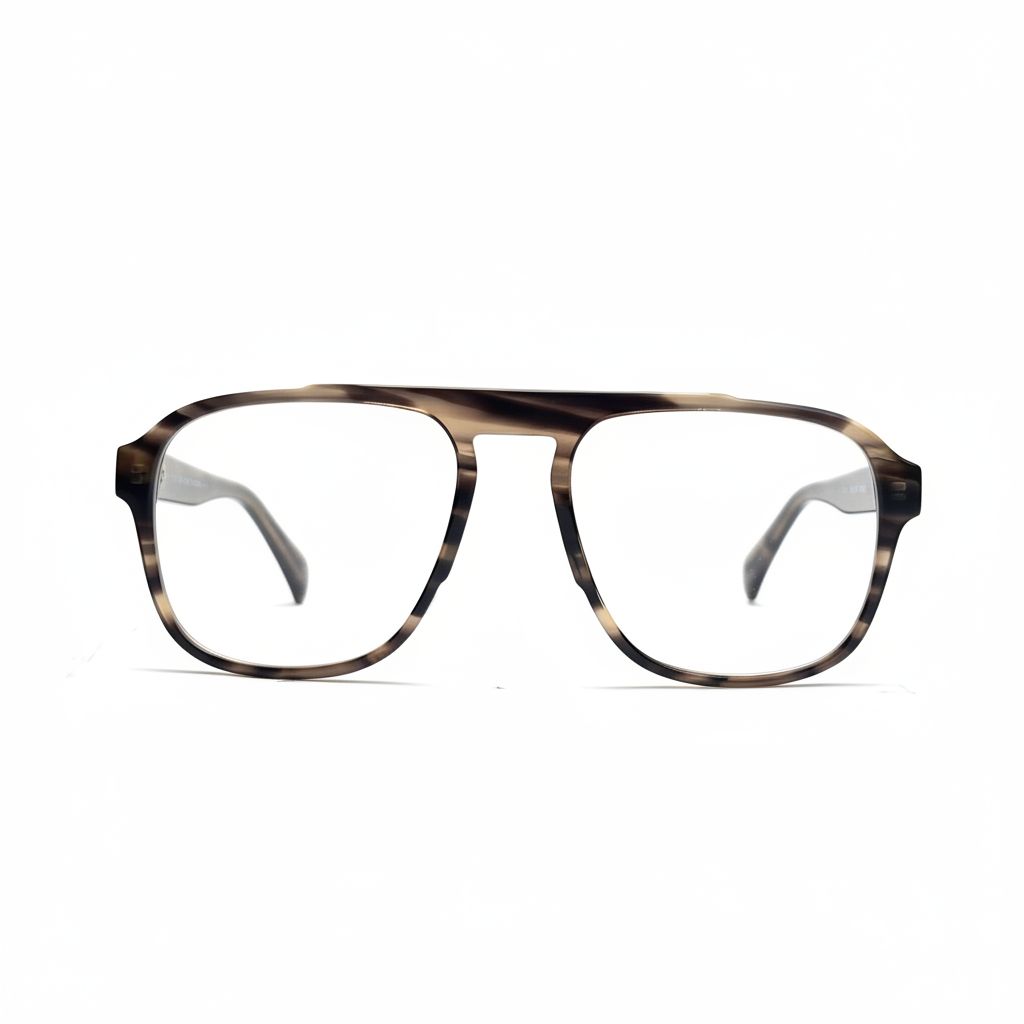
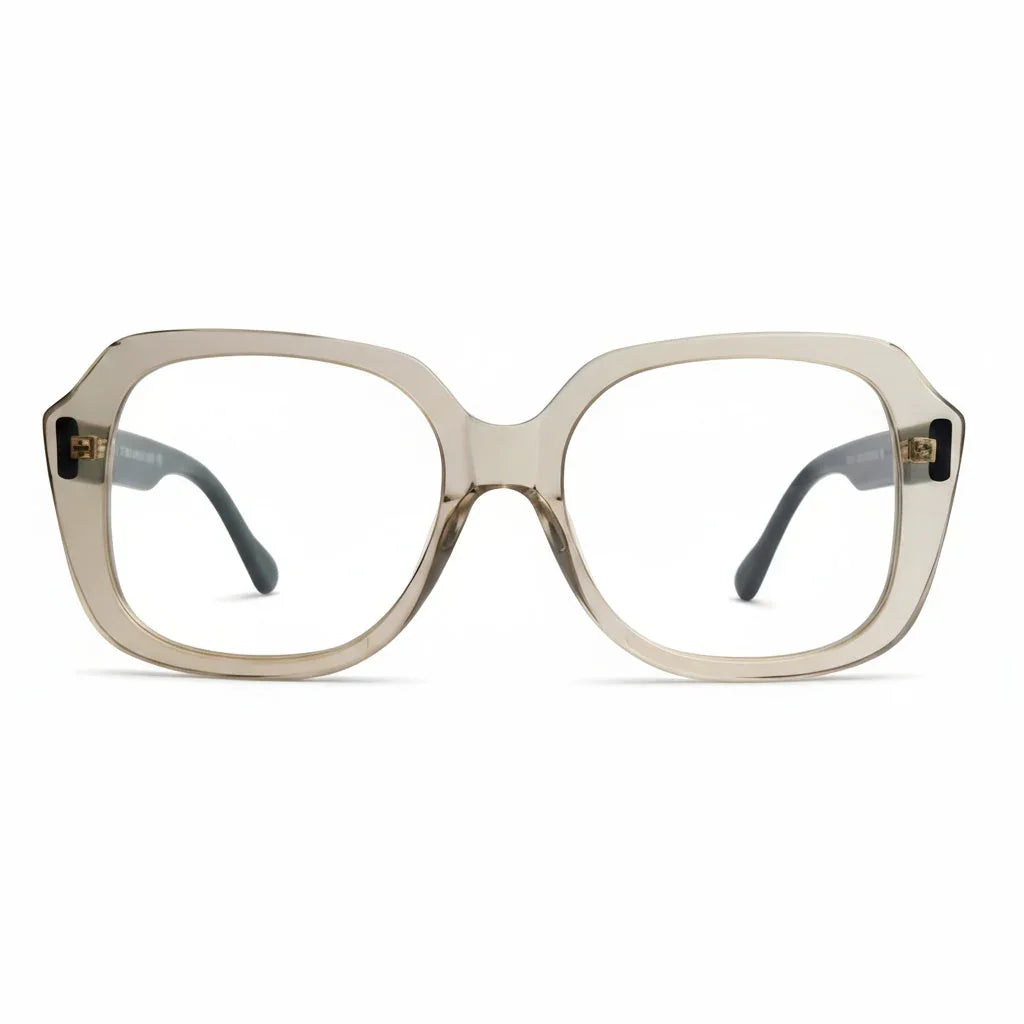
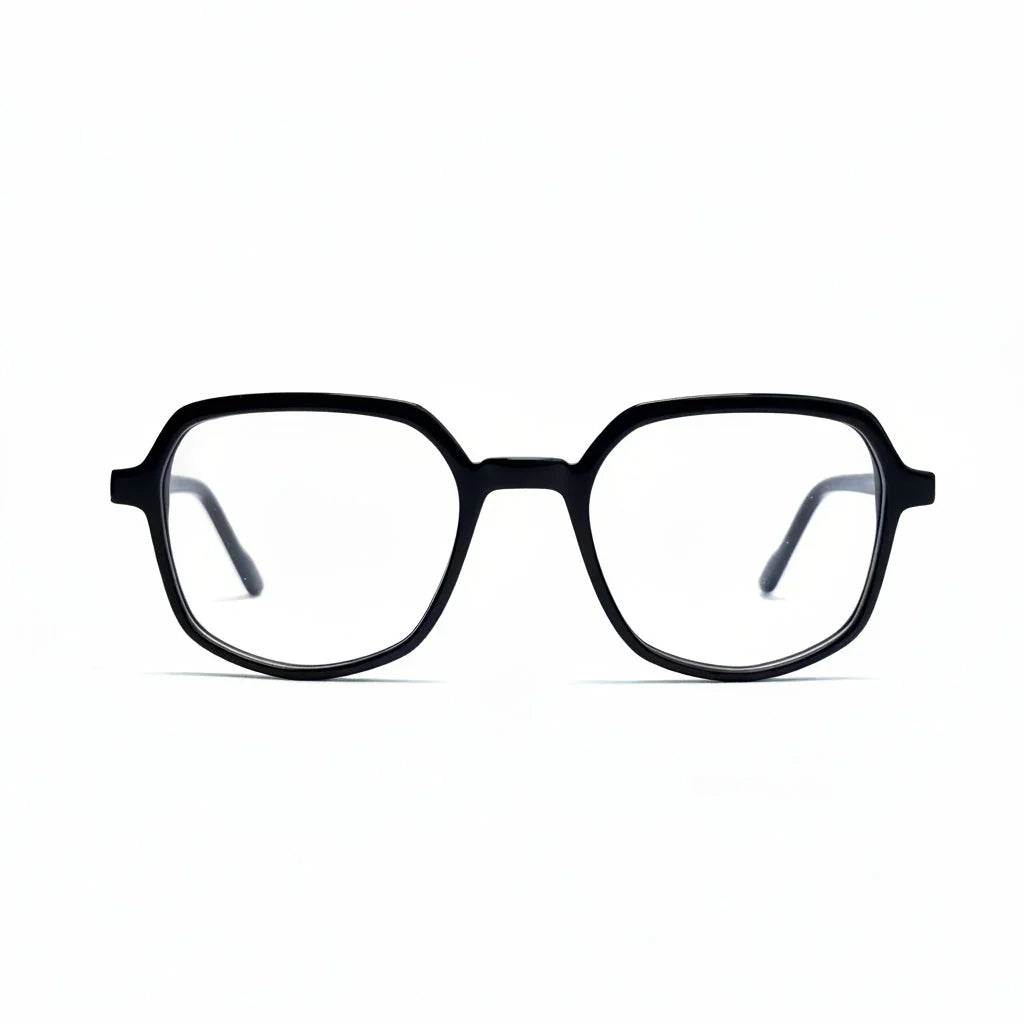
Explore our best-selling frames — built to last with proper care.
Daily Cleaning: The Right Way
Use a Microfibre Cloth
Always clean your lenses with a dedicated microfibre cloth. Paper towels, clothing fabric, and tissues contain fibres that are abrasive enough to scratch optical coatings over time. A clean microfibre cloth is the single most important tool in your eyewear care kit.
Rinse Before Wiping
Before wiping your lenses, rinse them under lukewarm water to remove dust and grit particles. Wiping a dry, dusty lens — even with a microfibre cloth — can cause micro-scratches. A quick rinse first removes the abrasive particles that cause damage.
Use Lens Cleaning Solution
For a thorough clean, apply a small amount of dedicated lens cleaning solution or a drop of mild dish soap to each lens before rinsing. Avoid alcohol-based cleaners, which can degrade anti-reflective and other optical coatings over time.
Cleaning the Frame
Acetate Frames
Acetate frames can be cleaned with a soft, damp cloth. For stubborn grime around the hinges or nose bridge, use a soft-bristled toothbrush with a small amount of mild soap. Rinse thoroughly and dry with a clean cloth. Avoid soaking acetate frames in water for extended periods.
Metal and Titanium Frames
Metal frames, including titanium, can be cleaned similarly — a damp cloth with mild soap works well for the frame body. Pay particular attention to the nose pads, which accumulate oils and debris quickly. Nose pads can be replaced by an optician when they become discoloured or worn. Our metal frames collection features frames with quality hardware designed for easy maintenance.
Storage: Protecting Your Investment
Always Use a Hard Case
When not wearing your glasses, store them in a hard-shell case. Soft pouches offer minimal protection against crushing or impact. A hard case is the single most effective way to prevent accidental damage.
Lenses Facing Up
When setting glasses down without a case, always place them with the lenses facing upward — never face-down on a surface, which risks scratching the lens coating.
Avoid Extreme Heat
Never leave your glasses in a hot car, on a radiator, or in direct sunlight for extended periods. Extreme heat can warp acetate frames and degrade lens coatings. This is particularly important for acetate frames, which are more heat-sensitive than metal.
Professional Maintenance
Regular Adjustments
Visit an optician every six to twelve months for a professional adjustment. Frames naturally shift with wear, and periodic realignment keeps them sitting correctly and comfortably. Most opticians offer this service free of charge.
Hinge Tightening
Loose hinges are one of the most common maintenance issues. A small eyeglass screwdriver can tighten loose screws at home, but for more significant hinge issues, professional attention is recommended to avoid stripping the screw thread.
When to Replace Your Frames
Even with excellent care, frames eventually reach the end of their useful life. Signs that it is time for a new pair include persistent misalignment that cannot be corrected, significant surface degradation, or structural damage to the frame or hinges. When that time comes, our full collection is ready to help you find your next favourite pair.