Properly fitted glasses are essential for comfort, optimal vision, and preventing headaches and eye strain. While professional adjustments are always recommended, there are some minor tweaks you can safely make at home. Here's your guide to knowing what you can adjust yourself and when to seek professional help.
Signs Your Glasses Need Adjustment
Watch for these indicators that your frames need attention:
- Glasses sliding down your nose constantly
- Uneven fit (one lens higher than the other)
- Pressure points on your nose or behind your ears
- Gaps between the frame and your face
- Temples (arms) that are too tight or too loose
- Frames sitting crooked on your face
- Lenses not centered in front of your eyes
- Headaches or discomfort after wearing
Tools You'll Need for Home Adjustments
Essential Tools
- Microfiber cloth (for grip and protection)
- Small eyeglass screwdriver set
- Warm (not hot) water
- Hair dryer (for acetate frames only)
- Mirror
- Good lighting
Optional but Helpful
- Eyeglass repair kit with extra screws
- Nose pad replacements
- Clear nail polish (as thread locker)
- Ruler or measuring tape
Safe Home Adjustments
1. Tightening Loose Screws
Difficulty: Easy
Safety: Safe for all frame types
How to Do It:
- Identify which screw is loose (usually at hinges or nose bridge)
- Use the appropriate size screwdriver from your eyeglass kit
- Turn clockwise gently until snug (don't over-tighten)
- Test the hinge movement—should be smooth, not stiff
- Optional: Add a tiny drop of clear nail polish to prevent loosening
Warning Signs: If the screw won't tighten or keeps falling out, the threading may be stripped. See a professional.
2. Adjusting Temple (Arm) Tightness
Difficulty: Moderate
Safety: Depends on material
For Metal Frames
To Tighten:
- Gently bend the temple arms slightly inward at the bend point (where they curve around your ear)
- Make tiny adjustments—a little goes a long way
- Test fit after each small adjustment
- Both sides should have equal pressure
To Loosen:
- Gently bend the temple arms slightly outward
- Again, make minimal adjustments
- Ensure symmetry on both sides
For Acetate Frames
Process:
- Warm the temple area with a hair dryer on low heat for 20-30 seconds
- Test temperature with your hand—should be warm, not hot
- Gently bend to desired position
- Hold in place for 30 seconds while cooling
- Test fit
Caution: Acetate can crack if bent cold or if overheated. When in doubt, see a professional.
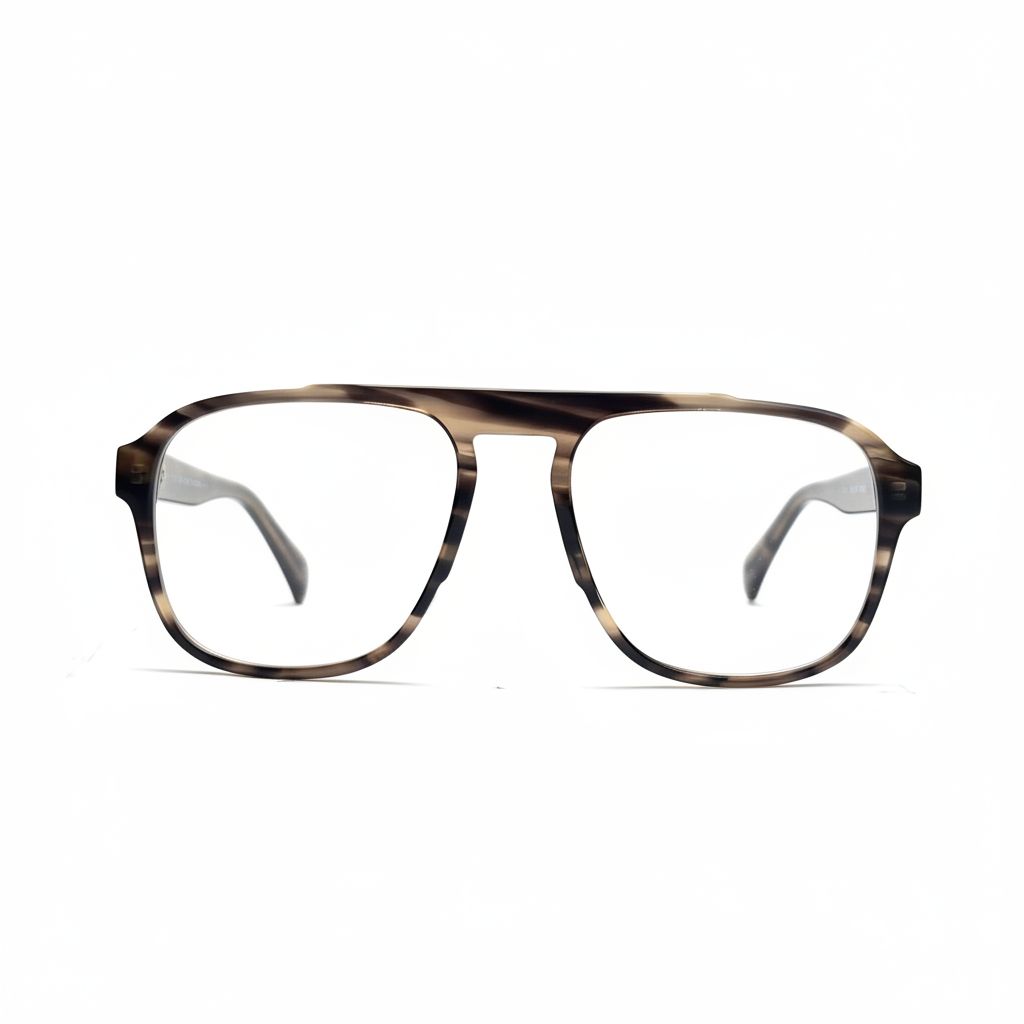
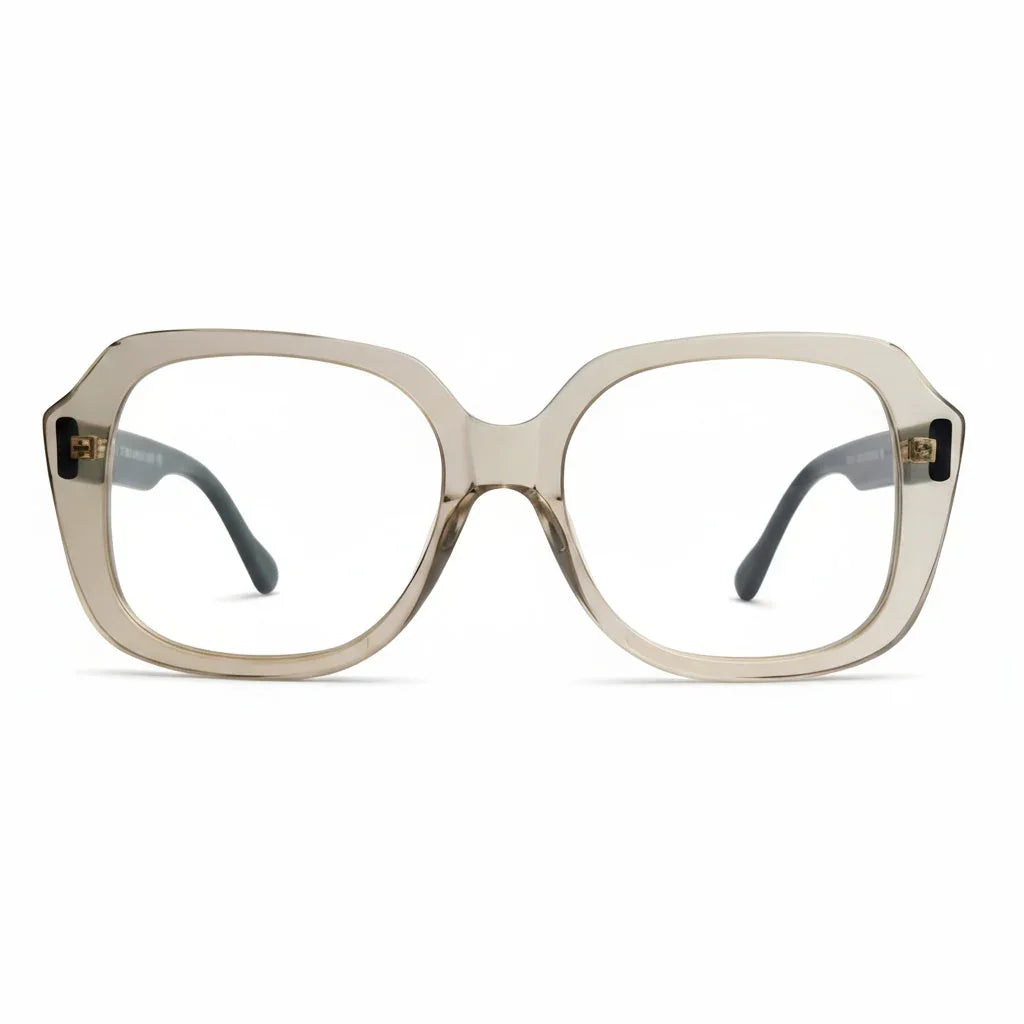
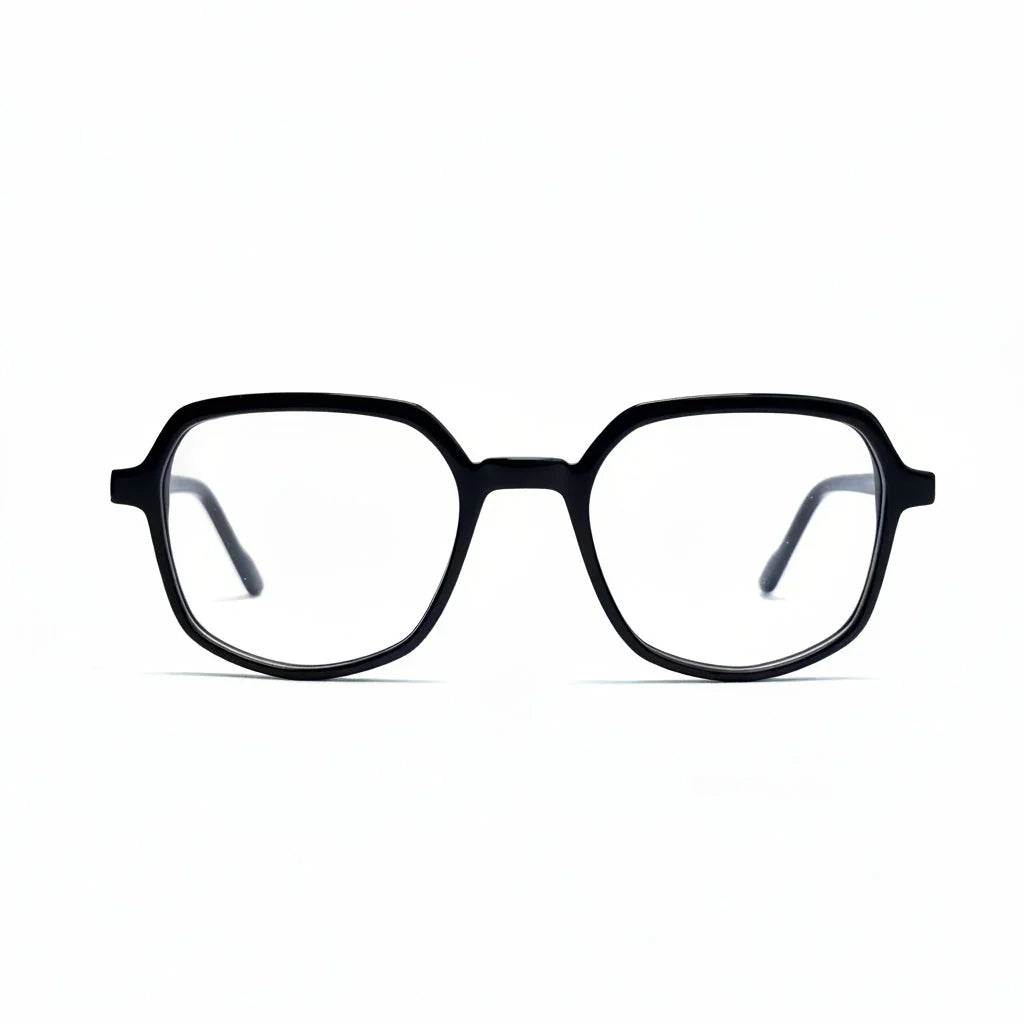
Our Acetate collection features premium materials that require gentle handling during adjustments.
3. Adjusting Nose Pads (Metal Frames Only)
Difficulty: Moderate
Safety: Safe with gentle pressure
If Glasses Slide Down:
- Gently push nose pads closer together
- This increases grip on your nose
- Adjust both pads equally for symmetry
If Glasses Pinch:
- Gently push nose pads farther apart
- Reduces pressure on nose bridge
- Maintain equal spacing on both sides
If Glasses Sit Crooked:
- Adjust the height of individual nose pads
- Raise the pad on the side that sits lower
- Make small adjustments and test frequently
Our Martin frames combine titanium and acetate with adjustable nose pads, offering excellent customization potential with careful handling.
4. Straightening Slightly Bent Frames
Difficulty: Easy to Moderate
Safety: Depends on severity
For Minor Bends:
- Place glasses on a flat surface
- Identify which side sits higher
- Gently bend the higher temple down slightly
- Or bend the lower temple up slightly
- Test on your face
- Repeat until level
Important: Only attempt this for very minor misalignments. Significant bends require professional tools and expertise.
Adjustments to NEVER Attempt at Home
1. Frame Front Adjustments
The front of the frame (where the lenses sit) should never be bent or adjusted at home. This can:
- Crack or break the frame
- Pop out lenses
- Misalign your prescription
- Void warranties
2. Lens Replacement or Removal
Never attempt to remove or replace lenses yourself:
- Risk of breaking lenses
- Risk of damaging frames
- Potential for injury from broken glass or plastic
- Requires specialized tools and knowledge
3. Major Frame Repairs
Leave these to professionals:
- Broken hinges
- Cracked frames
- Broken nose bridges
- Stripped screw holes
- Significant bends or warping
4. Adjusting Rimless or Semi-Rimless Frames
These delicate frames require professional tools and expertise. Home adjustments can easily damage them.
Material-Specific Considerations
Titanium Frames
Pros for Home Adjustment:
- Very strong and resistant to breaking
- Holds adjustments well
- Flexible enough for minor tweaks
Cons:
- Requires more force to bend than other metals
- Can be difficult to adjust without proper tools
- Memory metal varieties spring back to original shape
Recommendation: Tightening screws is safe; bending should be left to professionals.
Our Lars titanium frame exemplify the durability and precision engineering of pure titanium, making professional adjustment the safest choice.
Acetate Frames
Pros for Home Adjustment:
- Can be adjusted with heat
- Holds new shape when cooled properly
- Relatively forgiving material
Cons:
- Can crack if bent when cold
- Can melt or warp if overheated
- Requires careful temperature control
Recommendation: Minor temple adjustments with heat are possible, but frame front should never be adjusted at home.
Mixed Material Frames
Frames combining materials require extra caution:
- Different materials expand and contract differently with heat
- Connection points are stress points
- Best left to professionals who understand the construction
When to See a Professional
Immediate Professional Help Needed
- Broken or cracked frames
- Lenses popping out repeatedly
- Severe bending or warping
- Broken hinges or nose bridges
- Stripped screw holes
- Any damage affecting lens alignment
Professional Adjustment Recommended
- Frames consistently uncomfortable despite home adjustments
- Significant sliding or pressure issues
- Frames sitting very crooked
- You're uncomfortable making adjustments yourself
- Frames are expensive or sentimental
- Warranty concerns
Regular Professional Maintenance
Even if your glasses feel fine, visit an optician:
- Every 6-12 months for a check-up and adjustment
- When you get a new prescription
- If you've gained or lost significant weight (affects fit)
- After any impact or drop
What Professionals Can Do That You Can't
Specialized Tools
- Frame warmers for safe, even heating
- Precision pliers designed for eyewear
- Alignment tools for perfect symmetry
- Ultrasonic cleaners
- Proper screwdrivers for every screw type
Expertise
- Understanding of frame construction
- Knowledge of material properties
- Experience with thousands of adjustments
- Ability to assess structural integrity
- Understanding of how adjustments affect vision
Services
- Nose pad replacement
- Screw replacement
- Deep cleaning
- Frame straightening
- Warranty repairs
Prevention: Keeping Frames in Good Shape
- Always use both hands to put on and remove glasses
- Store in a protective case when not wearing
- Don't push glasses up by the bridge
- Avoid leaving in hot cars or direct sunlight
- Clean regularly to prevent buildup
- Have professional adjustments before problems develop
- Don't wear glasses on top of your head
- Be gentle—frames are durable but not indestructible
The Bottom Line
While minor adjustments like tightening screws or slight temple tweaks can be done at home, most adjustments are best left to professionals. The risk of damaging your frames often outweighs the convenience of DIY fixes.
Most optical shops offer free adjustments, even if you didn't purchase your glasses there. When you invest in quality frames, protect that investment with professional care.
Quality Frames Deserve Professional Care
Premium eyewear like our titanium and acetate collections represents a significant investment. While it's empowering to handle minor issues yourself, don't hesitate to seek professional help for anything beyond basic maintenance.
Explore our collection of expertly crafted frames designed for durability, comfort, and timeless style. With proper care and professional adjustments, these frames will serve you beautifully for years to come.