Pupillary distance — the measurement between the centres of your pupils — is one of the most important yet least understood aspects of getting glasses right. An incorrect PD measurement can cause headaches, eye strain, blurred vision, and a general sense of visual discomfort that persists no matter how accurate your prescription is. Here's everything you need to know.
What Is Pupillary Distance?
Pupillary distance (PD) is the distance in millimetres between the centre of your right pupil and the centre of your left pupil. It's used to position the optical centre of each lens directly in front of your pupil — the point where light passes through the lens with the least distortion.
When the optical centre of a lens aligns perfectly with your pupil, you see through the most optically pure part of the lens. When it doesn't align, you're effectively looking through an off-centre portion of the lens, which introduces prismatic effects that can cause significant visual discomfort.
Types of PD Measurements
Single PD
A single PD measurement gives the total distance between both pupils as one number, typically between 54mm and 74mm for adults, with 62–64mm being most common. This is the most basic measurement and is sufficient for many prescriptions.
Dual PD (Monocular PD)
A dual PD gives separate measurements for each eye — the distance from the centre of each pupil to the centre of the nose bridge. For example, 32/31 means 32mm for the right eye and 31mm for the left. Dual PD is more precise and is particularly important for stronger prescriptions, progressive lenses, and anyone whose eyes are not perfectly symmetrical (which is most people).
Near PD
When your eyes focus on something close, they converge slightly — your pupils move closer together. Near PD accounts for this convergence and is used for reading glasses or the near-vision portion of progressive lenses. It's typically 3–4mm less than your distance PD.
How an Incorrect PD Affects Your Vision
Prismatic Effect
When the optical centre of a lens doesn't align with your pupil, the lens acts like a prism — bending light in a direction it shouldn't. This prismatic effect forces your eyes to work harder to compensate, leading to:
- Eye strain and fatigue, particularly after extended wear
- Headaches, often centred around the temples or forehead
- Blurred or distorted vision, particularly at the edges of your visual field
- Double vision in severe cases
- Difficulty focusing, particularly when switching between near and far distances
- Nausea or dizziness in some cases
Why It Matters More for Stronger Prescriptions
The stronger your prescription, the more significant the prismatic effect of a misaligned optical centre. For mild prescriptions (under ±1.00), a small PD error may be barely noticeable. For stronger prescriptions (±3.00 and above), even a 2–3mm error can cause significant discomfort. This is why precise PD measurement is especially critical for those with strong prescriptions.
Progressive Lenses
Progressive lenses are particularly sensitive to PD accuracy. These lenses have different zones for distance, intermediate, and near vision, and the transitions between zones are precisely positioned based on your PD. An incorrect PD can make progressive lenses feel uncomfortable or difficult to use, even if the prescription itself is perfect.
How PD Is Measured
By an Optician
The most accurate method is measurement by a trained optician using a pupillometer — a device specifically designed for this purpose. This is the gold standard and is particularly important for strong prescriptions or progressive lenses.
At Home
It's possible to measure your own PD at home with reasonable accuracy using a ruler and a mirror, or using smartphone apps designed for this purpose. Home measurement is generally accurate enough for mild prescriptions but may not be precise enough for strong prescriptions or progressives.
To measure at home: stand 20cm from a mirror, hold a ruler against your brow, close your right eye and align the ruler's zero with the centre of your left pupil, then open your right eye and close your left — the measurement at the centre of your right pupil is your PD.
Why Your PD May Not Be on Your Prescription
In many countries, opticians are not legally required to include PD on a glasses prescription. This is partly because PD is technically a dispensing measurement rather than a medical prescription, and partly because some opticians prefer to measure PD themselves when dispensing glasses.
If your PD isn't on your prescription, you can ask your optician to measure and provide it — they should do so on request. Alternatively, you can measure it yourself or have it measured when ordering glasses.
PD and Frame Choice
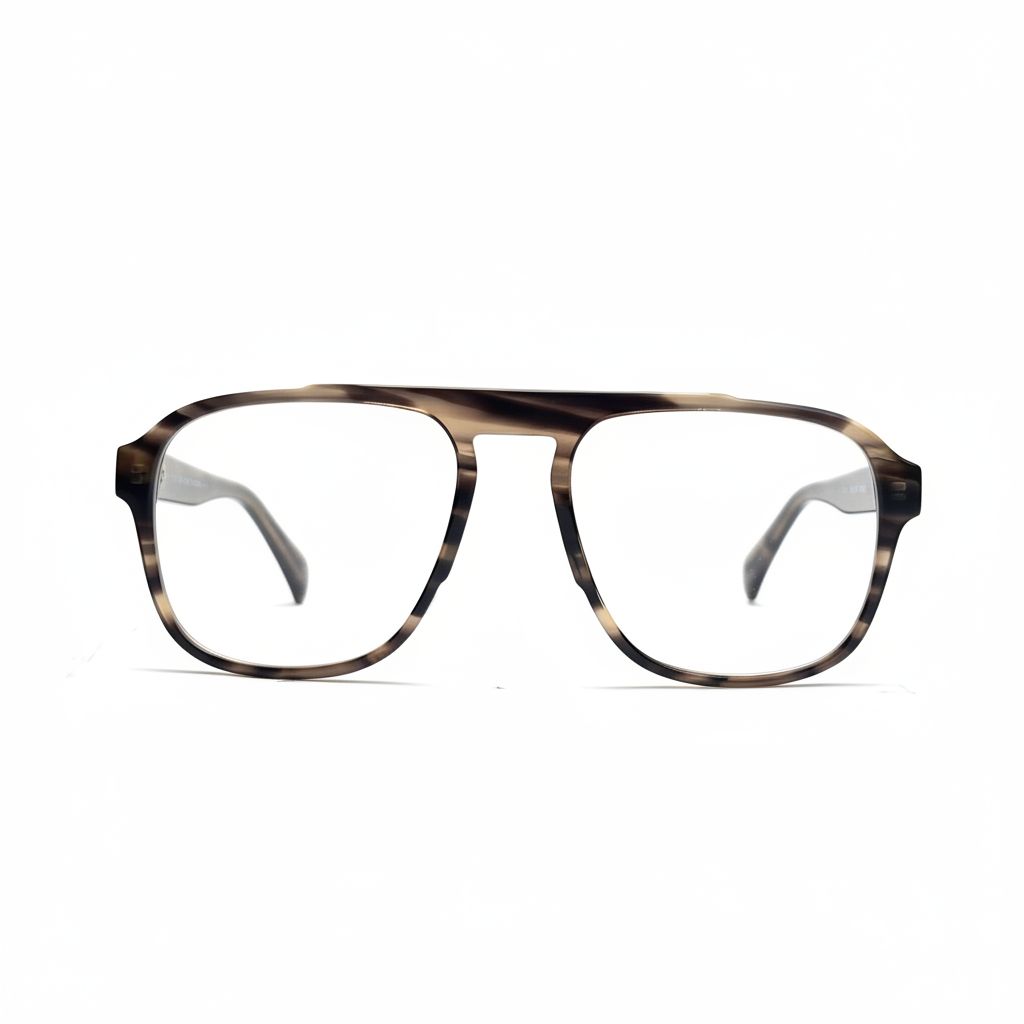
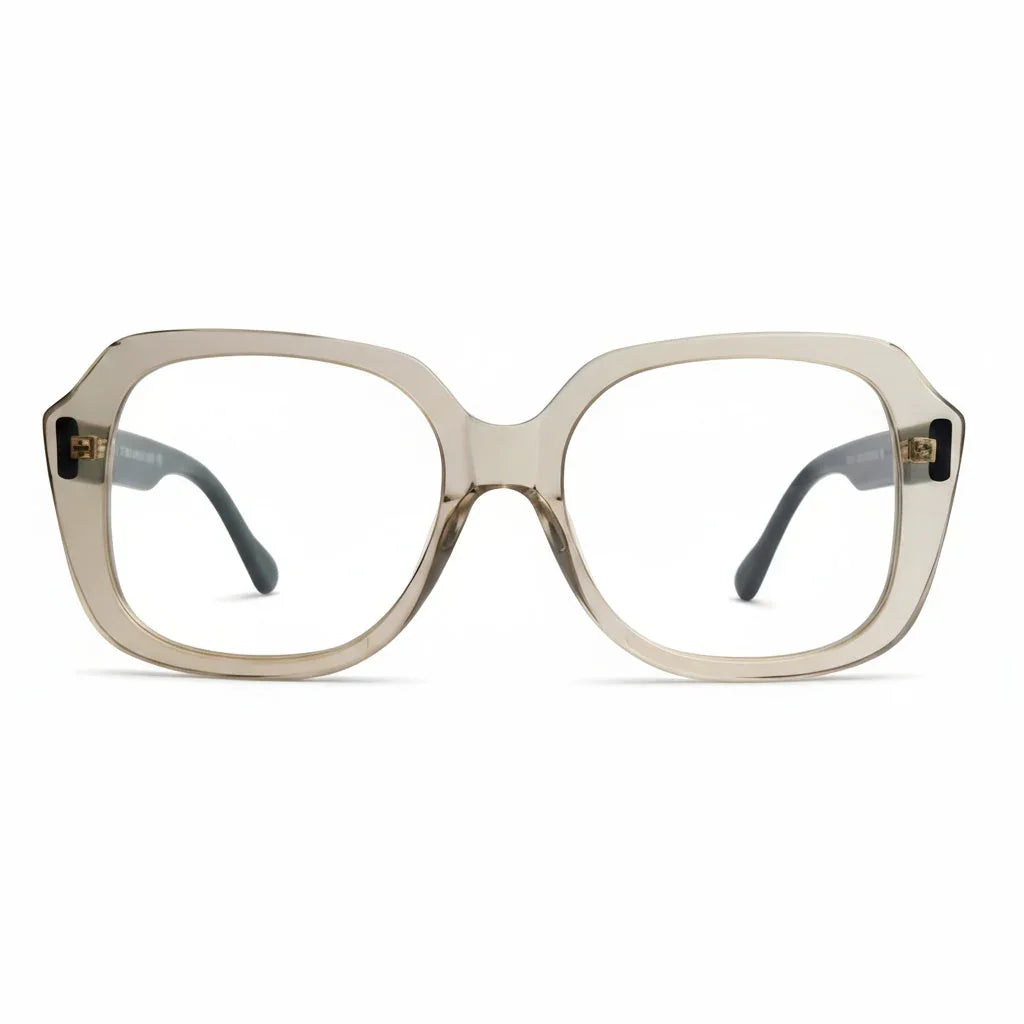
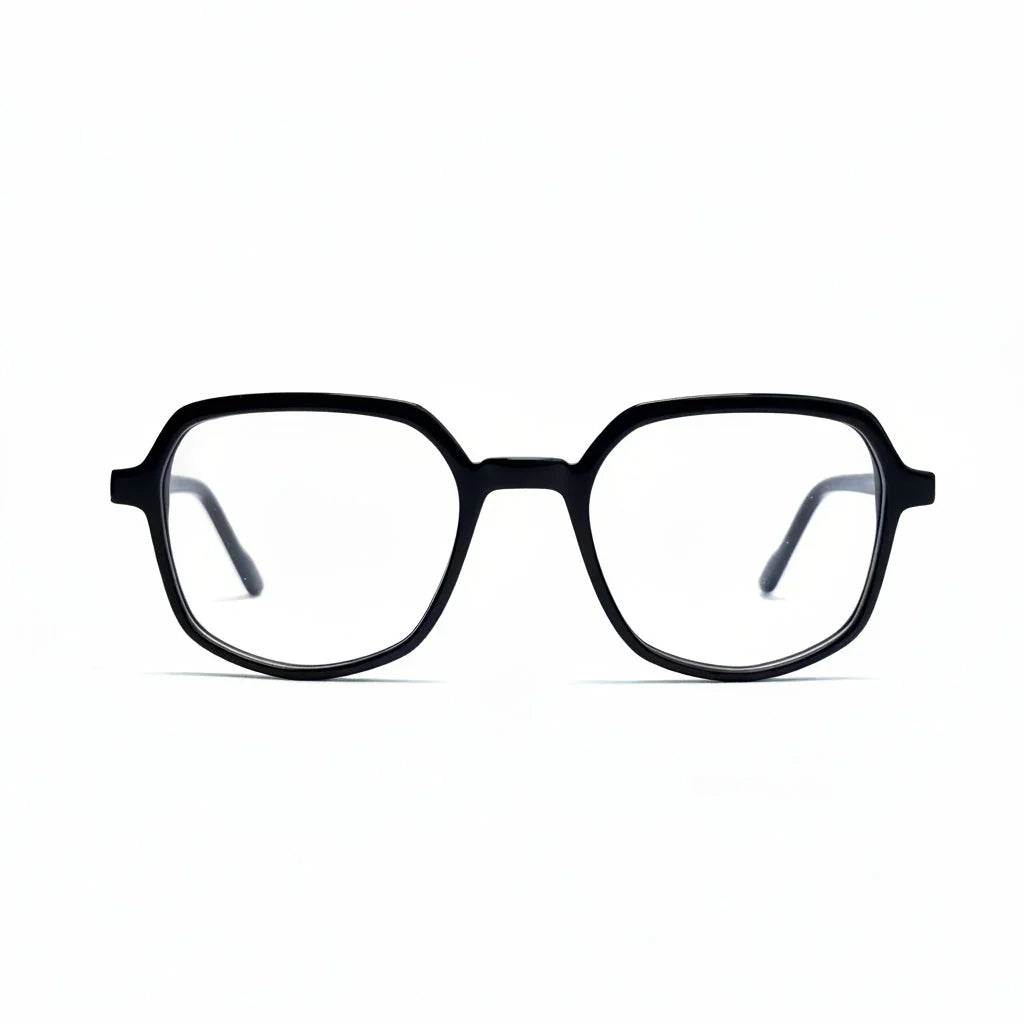
Your PD also influences which frames will work best for you. The optical centre of each lens needs to be positioned at your PD, which means the frame's lens width and bridge width need to accommodate this positioning.
If your PD is significantly different from the frame's standard optical centre position, your optician may need to adjust the lens positioning — or recommend a different frame. This is one reason why professional fitting is valuable even when you know your prescription and PD.
Explore our full collection for frames in a range of sizes to suit different PD measurements, or browse our Best Selling styles for the most popular options.
The Bottom Line
Pupillary distance is a small measurement with a significant impact on how well your glasses work. An accurate PD ensures that the optical centre of each lens aligns precisely with your pupil, giving you the clearest, most comfortable vision possible. If you've ever had glasses that felt "off" despite an accurate prescription, an incorrect PD may well be the culprit.
When ordering new glasses, always ensure your PD is accurately measured — particularly for strong prescriptions or progressive lenses. It's a small detail that makes a substantial difference to your daily visual experience.